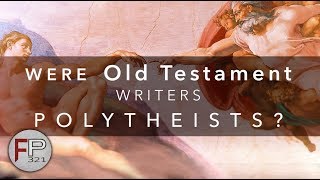
4:31
852 views
·
Last viewed: 2 days ago
Uploaded: 17 Jul 2018 (8 years ago) · Shared: 18 Jul 2018
Video Description (from Youtube)
Bart Ehrman (born October 5, 1955) is an American New Testament scholar focusing on textual criticism of the New Testament, the historical Jesus, and the development of early Christianity. He haswritten and edited 30 books, including three college textbooks. He has also authored six New York Times bestsellers. He is currently the James A. Gray Distinguished Professor of Religious Studies at the University of North Carolina at Chapel Hill.
Link to Bart Ehrman videos:
http://muslimprophets.com/videos.php?search=Bart+Ehrman
Link to the original video:
https://www.youtube.com/watch?v=lU2qBE7tA4Q
DISCLAIMER
We do NOT own the video materials and all credits belong to the respectful owners. In case of copyright issues, please contact us immediately for further credits or clip delete.
COPYRIGHT
Under Section 107 of the Copyright Act 1976, allowance is made for 'fair use' for purposes such as criticism, comment, news reporting, teaching, scholarship and research. Fair use is a use permitted by copyright statute that might otherwise be infringing. Non-profit, educational or personal use tips the balance in favour of fair use.
DISCLAIMER
All videos are shared for educational and information purposes only. All videos are hosted and viewable on Youtube servers. Video titles are generated using the original video title; overall content theme including actual dialogue and speech (Transcript); and A.I-based recommendations with a focus on SEO, keyword density, and internal search functions. The video title does not represent the views held by the Youtube video uploader, or any individual, organisation or business.
If you spot any mistake, omission or give feedback, kindly Contact Us with details
Overview & Key Concepts
What is New Testament?
 The New Testament is the second part of the Christian biblical canon. The first part being the Old Testament, based on the Hebrew Bible. The New
Testament discusses the teachings and person of Jesus, as well as events in first-century Christianity. Christians regard both the Old and New Testaments together as sacred scripture. The New Testament (in whole or in part) has frequently accompanied the spread of Christianity around the world. It reflects and serves as a source for Christian theology and morality.
What is Resurrection?
 Resurrection is the concept of coming back to life after death. In a number of ancient religions, a dying-and-rising god is a deity which dies and
resurrects. The death and resurrection of Jesus, an example of resurrection, is the central focus of Christianity. As a religious concept, it is used in two distinct respects: a belief in the resurrection of individual souls that is current and ongoing (Christian idealism, realized eschatology), or else a belief in a singular resurrection of the dead at the end of the world. The resurrection of the dead is a standard eschatological belief in the Abrahamic religions.
Who is Bart Ehrman?
 Bart Ehrman (born 1955) is an American New Testament scholar focusing on textual criticism of New Testament, historical Jesus, and development of
early Christianity. Ehrman has written and edited 30 books, including three college textbooks. He has also authored six New York Times bestsellers. He is currently the James A. Gray Distinguished Professor of Religious Studies at the University of North Carolina at Chapel Hill.
What is Gospel?
 Gospel is the Old English translation of Greek evangelion, meaning "good news". It originally meant the Christian message itself, but in the 2nd
century it came to be used for the books in which the message was set out. The four gospels of the New Testament: Matthew, Mark, Luke and John are the main source of information on the life of Jesus.
Frequently Asked Questions
1.What is the King James Version (KJV) of the New Testament?
2.Is the New Testament historically authentic?
3.What is the oldest manuscript of the Bible New Testament?
4.What language is the earliest New Testament in?
Videos on Bart Ehrman (220)
307 views
1:21:34
307
1424390400
1787318032
Jesus and the Historian - Bart Ehrman
004894
1
485 views
37:53
485
1424390400
1787405352
How Jesus Became God - Bart Ehrman
002273
2
 2:24:54
517
1441324800
1787288673
Did Jesus claim to be God? - Bart Ehrman vs Justin Bass
008694
3
 8:15
8:15
443
1452384000
1787370945
Bible scholar reveals the truth about the Bible - Bart Ehrman
000495
4
 2:34:12
403
1452384000
1787021335
Did the Historical Jesus Claim to Be Divine? - Bart Ehrman vs Justin Bass
009252
5
393 views
22:02
393
1456185600
1787391754
The Faces of Jesus - Bart Ehrman
001322
6
649 views
26:19
649
1456185600
1787176027
Jesus Before the Gospels - Bart Ehrman
001579
7
 5:11
5:11
668
1456185600
1787332712
Who Wrote The Gospels: Mark, Matthew, Luke & John? - Bart Ehrman
000311
8
 1:55:04
487
1478649600
1787238722
How Jesus Became God - Bart Ehrman vs Michael Bird
006904
9
 1:29:20
710
1482192000
1787375394
Does the Bible misquote Jesus? - Bart Ehrman vs James White
005360
10
 21:10
21:10
428
1482192000
1787395272
Contradictions in the Bible - Bart Ehrman
001270
11
 1:56:52
684
1487808000
1787365839
Is the original New Testament Bible lost? - Bart Ehrman vs Daniel Wallace
007012
12
 1:02:29
796
1490659200
1786980907
Are Gospels Based on Eyewitness Testimony - Bart Ehrman vs Richard Bauckham 1/2
003749
13
 1:14:12
703
1490659200
1786995798
Are Gospels Based on Eyewitness Testimony - Bart Ehrman vs Richard Bauckham 2/2
004452
14
 1:18:14
477
1490659200
1787399310
Jesus, Law and New Covenant - Bart Ehrman
004694
15
 44:53
44:53
529
1490659200
1787365269
Misquoting Jesus: Who changed the Bible? - Bart Ehrman
002693
16
 1:47:32
619
1493856000
1787259872
Was the New Testament forged? - Bart Ehrman vs Darrell Bock
006452
17
 2:34:10
669
1493856000
1787095397
Did Jesus Exist? - Bart Ehrman vs Robert Price
009250
18
 37:59
37:59
527
1493856000
1787345987
The Gospel Truth: Sometimes A Little Hazy - Bart Ehrman
002279
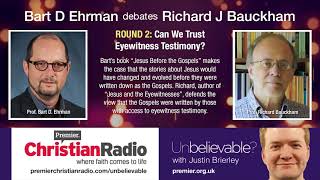
19
 35:54
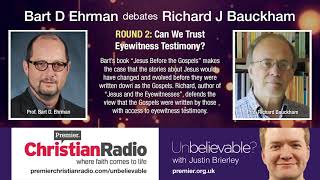
35:54
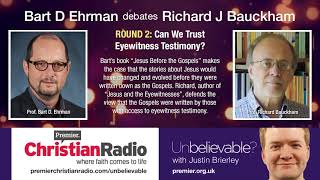
1076
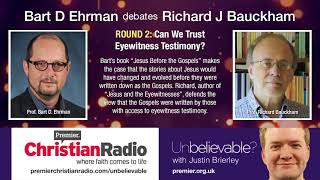
1493856000
1787348245
Evolution of Jesus in Early Christianity - Bart Ehrman
002154
20
1240 views
26:53
1240
1493856000
1787330288
Hidden Christianity - Bart Ehrman
001613
21
 37:36
37:36
729
1493856000
1787417955
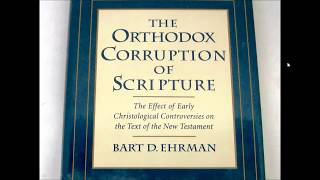
Peter, Apostle Paul and Mary Magdalene - Bart Ehrman
002256
22
 1:40:14
286
1493856000
1787190051
How Jesus became God UCC - Bart Ehrman 1/3
006014
23
 1:37:00
363
1493856000
1787225990
How Jesus became God UCC - Bart Ehrman 2/3
005820
24
 58:53
58:53
595
1493856000
1787362565
How Jesus became God UCC - Bart Ehrman 3/3
003533
25
 13:10
13:10
688
1493856000
1787231688
The case against Jesus' Resurrection - Bart Ehrman
000790
26
 53:32
53:32
500
1493856000
1787417903
Deconstructing the New Testament - Bart Ehrman
003212
27
 1:00:10
1051
1493856000
1787291660
Can We Trust the Gospels? - Bart Ehrman vs Tim McGrew 1/2
003610
28
 1:09:55
837
1493856000
1787392586
Can We Trust the Gospels? - Bart Ehrman vs Tim McGrew 2/2
004195
29
 1:27:55
673
1493856000
1787224344
Does the New Testament misquote Jesus? - Bart Ehrman vs Craig Evans
005275
30
534 views
1:33:54
534
1493856000
1787383245
How Jesus Became God Q&A - Bart Ehrman
005634
31
 2:06:44
404
1493856000
1787300230
Can historians prove Jesus rose from the dead? - Bart Ehrman vs Mike Licona
007604
32
 8:45
8:45
724
1493856000
1787257102
Did Apostle Paul write 2 Corinthians? - Bart Ehrman
000525
33
 25:52
25:52
643
1493856000
1787171774
Lost Christianities: TV Interview - Bart Ehrman
001552
34
601 views
18:39
601
1493856000
1787268190
Lost Christianities - Bart Ehrman
001119
35
381 views
19:23
381
1493856000
1787404062
On the Bible Authors - Bart Ehrman
001163
36
625 views
9:53
625
1493856000
1787290070
Origins of the Trinity - Bart Ehrman
000593
37
 2:01:23
548
1493856000
1786700495
Bible Authors are not who we think they are #Forged - Bart Ehrman
007283
38
 3:21:27
655
1493856000
1787136112
Is the New Testament lost? - Bart Ehrman vs Daniel Wallace
012087
39
 6:40
6:40
564
1493856000
1787260411
Authenticity of the New Testament - Bart Ehrman vs Nabeel Qureshi
000400
40
 5:53
5:53
818
1493856000
1787397345
Origins of the New Testament - Bart Ehrman vs Jay Smith
000353
41
 8:25
8:25
898
1493856000
1787135130
Do we have the Original Manuscripts of the New Testament? - Bart Ehrman vs Daniel Wallace
000505
42
 10:42
10:42
784
1493856000
1787259728
Can we reconstruct the Original Manuscripts of New Testament? - Bart Ehrman vs Nabeel Qureshi
000642
43
 53:35
53:35
339
1501545600
1786291180
Jesus come in the Flesh (Shaffer Lectures) - Bart Ehrman 1/3
003215
44
 51:17
51:17
547
1501545600
1787064332
Jesus the Divine Man (Shaffer Lectures) - Bart Ehrman 2/3
003077
45
 48:34
48:34
404
1501545600
1787381741
Jesus against the Jews (Shaffer Lectures) - Bart Ehrman 3/3
002914
46
 3:02
3:02
677
1501545600
1787368774
Apostle Paul only wrote 7 Letters/Epistles out of 13 - Bart Ehrman
000182
47
 1:19:39
607
1501545600
1787394563
The Creation of the King James Bible - Bart Ehrman
004779
48
429 views
5:09
429
1501545600
1786783782
Mark 16:9-20 is fake - Bart Ehrman
000309
49
 3:32
3:32
1231
1502912021
1787292305
Early Christians did not believe Jesus was God or in the Trinity - Bart Ehrman
000212
50
 1:04:33
799
1509580326
1787157028
Jesus' Resurrection - Bart Ehrman vs Mike Licona
003873
51
 23:23
23:23
884
1512005891
1787384529
Ebionites: Ancient Unitarian Christians - Bart Ehrman & Jeff Fletcher
001403
52
 2:33:12
481
1520100416
1787326025
Is the Bible Historically Reliable? - Bart Ehrman vs Mike Licona
009192
53
 1:19:09
933
1520421769
1787208489
Triumph of Christianity: How a Forbidden Religion Swept the World - Bart Ehrman vs Michael Shermer
004749
54
 35:06
35:06
910
1521803184
1787267524
The Triumph of Christianity - Bart Ehrman vs Seth Andrews
002106
55
 39:33
39:33
894
1522575272
1787264703
Christianity's Path from 'Forbidden' to 'Triumph' - Bart Ehrman
002373
56
 2:11:26
514
1522396624
1787335097
Suffering & God's Existence - Bart Ehrman vs Kyle Butt
007886
57
 13:10
13:10
626
1522834979
1787366511
The Case Against Jesus' Resurrection - Bart Ehrman
000790
58
 17:21
17:21
1080
1523216593
1787284003
Triumph of Christianity: How Rome took over Christianity - Bart Ehrman
001041
59
 3:15
3:15
421
1529106402
1787073345
Matthew and John quote Jesus' sermons 50 years after he died.. Really? - Bart Ehrman
000195
60
 2:15
2:15
555
1529106422
1787402845
Jesus claims he is divine, God-like in John's Gospel only. Why? - Bart Ehrman
000135
61
 0:16
0:16
782
1529106416
1786530762
Gospels were not written by Mark, Matthew, Luke or John. These names were decided 100 years later - Bart Ehrman
000016
62
 1:16
1:16
1050
1529106417
1787417555
Jesus' disciples were Aramaic speaking, lower class, uneducated labourers. Gospels were written by highly educated, Greeks 50 years after Jesus - Bart Ehrman
000076
63
 0:23
0:23
882
1529106430
1787259966
New Testament scholars agree Gospels are Anonymous, not written by Jesus' disciples, or eye-witnesses - Bart Ehrman
000023
64
 0:46
0:46
648
1529106424
1787369848
Paul spoke Greek. How did he communicate with Jesus' Aramaic speaking disciples? - Bart Ehrman
000046
65
 1:15
1:15
1000
1529332029
1787297174
Jesus was a Jewish prophet who preached the Kingdom of God - Bart Ehrman
000075
66
 0:36
0:36
423
1529332033
1787090472
Jesus never claimed to be divine or God-like in Matthew, Mark or Luke - Bart Ehrman
000036
67
 1:16
1:16
705
1529332035
1787327838
Gospels are 'stories' by Greek writers 40 years after Jesus' crucifixion, not eyewitness accounts - Bart Ehrman
000076
68
 1:19
1:19
638
1529332025
1787402731
Palestine had a 97% illiteracy rate. Jesus' disciples, poor, lower class labourers could not read or write - Bart Ehrman
000079
69
 1:09
1:09
851
1529332023
1786407184
Mark, Matthew, Luke and John could not read or write. Who wrote the Gospels? - Bart Ehrman
000069
70
 2:15
2:15
827
1529332043
1787344069
Gospel of Matthew: A collection of anonymous Jesus' stories, entitled 100 years later - Bart Ehrman
000135
71
1007 views
1:59
1007
1529332037
1787378411
In John, Jesus is a God-like diety from Heaven. In earlier Gospels, Jesus is more of a man-prophet - Bart Ehrman
000119
72
 2:27
2:27
466
1529332027
1786175977
Mark, Matthew, Luke and John have too many differences and contradictions - Bart Ehrman
000147
73
 1:51
1:51
721
1529332041
1787345402
Original Gospel Text does not exist. 1000's of copies, discovered 100's of years later do exist - Bart Ehrman
000111
74
 1:23
1:23
348
1529332023
1787327315
In John 7:53, the adulteress story was added to the Bible by later scribes - Bart Ehrman
000083
75
 1:33
1:33
980
1529332032
1787124330
New Testament Bible: 27 books were finally chosen 300 years after gospels were written - Bart Ehrman
000093
76
 0:53
0:53
691
1529332047
1787296840
Jesus and his disciples were Jewish. Yet, Jews rejected him as Messiah - Bart Ehrman
000053
77
 1:04
1:04
824
1529332045
1787364589
Paul was Jewish, but turned against Judaism - Bart Ehrman
000064
78
 3:33
3:33
1180
1529332039
1787401584
93% of Romans were polytheist pagans with many Gods. Christians had a 'more powerful' God - Bart Ehrman
000213
79
 1:54
1:54
400
1529332049
1787388871
For me, the Bible has too many 'human' mistakes to be the inerrant revelation from God - Bart Ehrman
000114
80
 3:46
3:46
606
1529434663
1787142882
Jesus existed with His Father since time began, or created later? (Arian Controversy) - Bart Ehrman
000226
81
 2:00
2:00
596
1529454034
1787290672
In 325 AD, Council of Nicaea debated and voted on divinity of Jesus - Bart Ehrman
000120
82
 5:01
5:01
742
1529454383
1787294980
In 70 AD, Mark, the earliest Gospel depicts Jesus as suffering & dying Jewish Messiah - Bart Ehrman
000301
83
 4:23
4:23
714
1529454366
1787407995
After his resurrection, Jesus became a God, like Romulus, Moses etc. - Bart Ehrman
000263
84
665 views
11:10
665
1529454362
1787381207
Jesus progressed to God through Docetism, Separationism, Modalism and Trinitarianism - Bart Ehrman
000670
85
1248 views
2:03
1248
1529428643
1787404740
In 225 AD, Tertullian defined Trinity: 3 Gods in 1 Person, or Orthodox Christianity - Bart Ehrman
000123
86
1329 views
0:44
1329
1529434530
1787151340
Early Christians did not believe Trinity, or write about it in New Testament Bible - Bart Ehrman
000044
87
 2:13
2:13
962
1529454387
1787379717
In 1 John 5:7-8, the Trinity verse was added by later scribes. It is missing from the earliest Greek manuscripts - Bart Ehrman
000133
88
 1:55
1:55
648
1529456609
1787298274
Ebionites believed Jesus was Jewish Messiah sent by Jewish God to Jews fulfilling Jewish Scripture - Bart Ehrman
000115
89
912 views
4:43
912
1529456661
1787250971
Jesus orders greater Jewish Law observance than the Pharisees, religious Jews - Bart Ehrman
000283
90
802 views
1:55
802
1529474302
1787207299
Jesus was a strict Jewish teacher who fully observed Old Testament Jewish Law - Bart Ehrman
000115
91
1180 views
0:45
1180
1529456614
1787315861
Jesus, a Jew who observed Judaism did not plan to start Christianity, a new religion - Bart Ehrman
000045
92
 2:06
2:06
1544
1529474378
1787392284
For Apostle Paul, Jesus' death & resurrection was key to salvation. Not the Jewish Law - Bart Ehrman
000126
93
 2:54
2:54
941
1529490584
1787264755
Keeping Old Testament in the Bible benefits Christianity with historical roots and antiquity - Bart Ehrman
000174
94
767 views
4:36
767
1529456616
1787270060
As Jews rejected Jesus Christ, Christians felt anger and hate towards Judaism - Bart Ehrman
000276
95
646 views
1:04
646
1529623234
1787418421
In the ancient world, Jews and pagans believed in many divine beings and Gods - Bart Ehrman
000064
96
649 views
0:30
649
1529623236
1787270594
In Hebrew Bible, God took human form and walked amongst Adam & Eve in Garden of Eden - Bart Ehrman
000030
97
 0:09
0:09
630
1529591098
1787213306
In Hebrew Bible, the 'Angel of the Lord' regularly appears as a Human being - Bart Ehrman
000009
98
 0:35
0:35
276
1529623242
1786387819
In Genesis, 'sons of God' married beautiful earthly women reproduced Giants (Nephilim) - Bart Ehrman
000035
99
 1:12
1:12
472
1529623243
1787389174
In Hebrew Bible, humans were called Gods i.e. King of Israel, Enoch - Bart Ehrman
000072
100
 0:50
0:50
341
1529623251
1787386666
During his life, Jesus never called himself God, or think of himself as God - Bart Ehrman
000050
101
 1:39
1:39
589
1529623246
1787293717
Pontius Pilate crucified Jesus for Treason, as 'rival' King of the Jews - Bart Ehrman
000099
102
 1:48
1:48
664
1529591129
1787413006
Within 20 years, Jesus' status was debated, gradually Jesus was promoted to Godhead - Bart Ehrman
000108
103
 8:31
8:31
635
1529591133
1786584114
Most likely, after Crucifixion, Jesus was left on Cross, his body decomposed and birds/dogs scavenged him - Bart Ehrman
000511
104
 0:57
0:57
507
1529591136
1787228186
In Mark 2:10, Jesus claims authority to forgive Sin. But this does not make him God - Bart Ehrman
000057
105
 0:26
0:26
669
1529793124
1787264742
In the Early Church, their were many different versions of Christianity - Bart Ehrman
000026
106
 0:13
0:13
714
1529793127
1787116053
Early Christians believed in 1, 2, 30, even 365 different Gods - Bart Ehrman
000013
107
732 views
0:52
732
1529793120
1787419875
Early Christians viewed Jesus as human & divine, human only, and divine only? - Bart Ehrman
000052
108
 0:51
0:51
953
1529793123
1787351774
Early Christians differed on Jesus' resurrection: physical, spiritual or a symbolic event? - Bart Ehrman
000051
109
 2:26
2:26
786
1529793128
1787324777
Christians today differ on what constitutes the Bible and scripture - Bart Ehrman
000146
110
 1:25
1:25
591
1529793126
1787365562
Early Christians held conflicting and opposing beliefs on Christian doctrine - Bart Ehrman
000085
111
 2:27
2:27
1147
1529793119
1787371414
New Testament Bible contains books with conflicting teachings on Orthodox Christianity - Bart Ehrman
000147
112
 0:57
0:57
772
1529793117
1787122575
Early Christians freely disagreed on Christian fundamentals as the Bible did not exist - Bart Ehrman
000057
113
 3:22
3:22
744
1529793131
1786414778
Mark, Matthew, Luke, John... Where's the other Gospels, Acts and Epistles? - Bart Ehrman
000202
114
 1:50
1:50
888
1529793105
1786664624
Ebionites, early Christians believed Jesus was a Human being - Bart Ehrman
000110
115
 0:42
0:42
926
1529793106
1786674943
Ebionites, early Christians held beliefs very similar to Jesus and his disciples - Bart Ehrman
000042
116
1046 views
0:36
1046
1529793110
1787378120
Ebionites, early Christians were Jewish, but believed Jesus was the Jewish Messiah - Bart Ehrman
000036
117
 0:53
0:53
1085
1529793106
1787295814
Ebionites, early Christians required followers to convert to Judaism - Bart Ehrman
000053
118
 0:36
0:36
673
1529793121
1787404598
For Jews, the Messiah would be great, powerful and defeat God's enemies; Jesus failed! - Bart Ehrman
000036
119
 0:24
0:24
934
1529793108
1787410814
Ebionites, early Christians were right to believe Jesus was a Jew - Bart Ehrman
000024
120
 1:08
1:08
843
1529793130
1787341707
Paul preached to majority, gentiles, pagans and idolators, who had no interest in Judaism or a Jewish Jesus - Bart Ehrman
000068
121
 0:52
0:52
698
1529793111
1787322693
Ebionites, the earliest Christians viewed Paul as a Heretic, and rejected his writings - Bart Ehrman
000052
122
1288 views
2:21
1288
1530141489
1787375155
Jesus, an Aramaic speaking Palestinian. New Testament originally in Greek, language of Rome - Bart Ehrman
000141
123
 1:22
1:22
588
1530141496
1787392293
Matthew, Mark and Luke are similar and different. Were the Gospel differences 'inspired' by God? - Bart Ehrman
000082
124
 0:26
0:26
438
1530141495
1786125149
Mark was copied by Matthew and Luke - Bart Ehrman
000026
125
 1:31
1:31
677
1530141493
1787390513
John's gospel presents a unique 'maverick' account of Jesus - Bart Ehrman
000091
126
 0:45
0:45
464
1530141509
1787312082
Matthew, Mark, Luke and John are NOT objective, historically accurate accounts of Jesus' life - Bart Ehrman
000045
127
585 views
0:36
585
1530141501
1786087814
6 of 13 Paul's Letters (or Epistles) were written by unknown authors at a later date - Bart Ehrman
000036
128
 1:50
1:50
1313
1530141499
1787264749
Jesus, a Jewish prophet who worshiped the Jewish God. Paul created and spread Christianity - Bart Ehrman
000110
129
1121 views
0:46
1121
1530141640
1787375332
Apostle Paul never met Jesus in his lifetime. Paul spoke Greek and lived outside of Palestine - Bart Ehrman
000046
130
 1:33
1:33
1243
1530141639
1787296825
Apostle Paul preached Jesus' death & resurrection guaranteed Salvation, not observing Jewish Law - Bart Ehrman
000093
131
1265 views
0:36
1265
1530141634
1787306117
Apostle Paul established Churches, and converted Gentiles, Polytheists and Pagans to Christianity - Bart Ehrman
000036
132
 1:36
1:36
1362
1530141625
1787324407
In Galatians, Apostle Paul orders new Christians abandon circumcision/Jewish Law; return to faith in Jesus - Bart Ehrman
000096
133
 1:57
1:57
1355
1530141622
1786956336
Apostle Paul was highly controversial amongst early Christians who believed he had fabricated the Gospels - Bart Ehrman
000117
134
1138 views
1:44
1138
1530141770
1787255011
Apostle Paul taught faith in Jesus' blood/death on the Cross was ultimate sacrifice for our Sins - Bart Ehrman
000104
135
 1:38
1:38
390
1530141586
1787381193
3 Corinthians explains Docetism. The concept did not exist. It is a Forgery! - Bart Ehrman
000098
136
 0:36
0:36
786
1530141642
1786543654
Apostle Paul may not have written 2 Thessalonians, Ephesians and Colossians - Bart Ehrman
000036
137
 0:46
0:46
854
1530141636
1787046439
Apostle Paul did not write 1 Timothy, 2 Timothy and Titus - Bart Ehrman
000046
138
 2:06
2:06
314
1530142882
1787296564
Matthew, Mark, Luke and John are written by Anonymous Authors in third-person (i.e. they) - Bart Ehrman
000126
139
 2:29
2:29
483
1530142891
1786507703
Matthew, Mark, Luke and John authored by highly-educated, literate, 2nd gen. Greek speakers - Bart Ehrman
000149
140
 3:15
3:15
953
1530142887
1787258846
Gospels are 'Jesus Stories', rumours and gossip spread orally amongst early Christians - Bart Ehrman
000195
141
 2:30
2:30
685
1530142897
1787344863
Conflicting Gospel accounts of Jesus' Crucifixion and final moments - Bart Ehrman
000150
142
 1:58
1:58
596
1530142916
1787362389
Gospels present fundamentally opposing Jesus stories due to 'oral culture' - Bart Ehrman
000118
143
 8:02
8:02
362
1530142905
1787373479
On Jesus' birth, Matthew and Luke give different accounts - Bart Ehrman
000482
144
 3:44
3:44
514
1530143088
1787404168
On Jesus' death, Mark and Luke give different accounts - Bart Ehrman
000224
145
 4:53
4:53
583
1530143074
1787344105
Mark Gospel, the first gospel, Jesus is the suffering Son of God who nobody recognizes - Bart Ehrman
000293
146
 2:08
2:08
618
1530143083
1787311505
Matthew depicts Jesus as a Jewish Messiah, and emphasizes Jewish Law - Bart Ehrman
000128
147
 3:07
3:07
942
1530143053
1786406176
Luke's Gospel depicts Jesus as a prophet with a universal message, rejected by his people - Bart Ehrman
000187
148
 4:25
4:25
672
1530143051
1787345644
John's Gospel, Jesus reveals his true identity, divine God who came to Earth - Bart Ehrman
000265
149
 1:30
1:30
814
1530143048
1787327403
Original text of all New Testament books is lost - Bart Ehrman
000090
150
 1:59
1:59
273
1530143047
1787181465
In Hebrews, scribes edited a verse as they saw fit - Bart Ehrman
000119
151
775 views
3:41
775
1530143045
1787396707
In 1707 AD, John Mill reported on 30,000 textual variants in 100 Bible manuscripts - Bart Ehrman
000221
152
 1:54
1:54
803
1530143044
1787401763
Luke Gospel, a 14th century manuscript (109) proves a scribe incorrectly copied Jesus' geneology - Bart Ehrman
000114
153
 4:20
4:20
590
1530143006
1787272458
In John 7:53, Scribes added, later removed, the Adulteress story from New Testament - Bart Ehrman
000260
154
 3:22
3:22
579
1530143004
1787246238
In Mark 16:9-20, Scribes wrote a 'longer ending' to New Testament Bible - Bart Ehrman
000202
155
 0:53
0:53
468
1530142997
1786655889
In Mark 1:40, Scribes replaced an 'angry' Jesus with a 'compassionate' Jesus - Bart Ehrman
000053
156
 1:41
1:41
724
1530143554
1787328393
In Joshua 6:21, God ordered Israelites to destroy the inhabitants of Jericho - Bart Ehrman
000101
157
 0:54
0:54
495
1530143587
1787401426
In 2 Kings 2:24, God allows Elisha to summon bears to hurt the children - Bart Ehrman
000054
158
 0:47
0:47
1097
1530143825
1787385511
Gnostic Christians praise John's Gospel as he writes of a 'Salvation' diety coming to Earth - Bart Ehrman
000047
159
 0:38
0:38
784
1530143831
1786991160
In 367 AD, the New Testament Bible finally came into existence, 330 years after Jesus - Bart Ehrman
000038
160
 1:50
1:50
1107
1530143833
1787244728
Early Christians, Ebionites, Marcionites, Gnostics, all had their own Bibles and scripture - Bart Ehrman
000110
161
 0:53
0:53
472
1530143835
1787349496
Anonymous Texts given Apostolic titles, Matthew, Mark etc. to qualify for Bible NT canon - Bart Ehrman
000053
162
687 views
0:46
687
1530143841
1787286893
In 1545 AD, Council of Trent was first ecumenical council to officially recognise 27 New Testament books - Bart Ehrman
000046
163
 1:34
1:34
377
1530143845
1787325250
Matthew recalls Jesus' 2000-word 'Sermon On The Mount', 55 years after Jesus delivered it? - Bart Ehrman
000094
164
 0:31
0:31
491
1530143842
1787357645
1 Timothy was probably not written by Paul - Bart Ehrman
000031
165
 1:02
1:02
625
1530143844
1787327534
Apocalypse of Peter almost made it into the New Testament canon - Bart Ehrman
000062
166
 2:17
2:17
410
1530143860
1787349429
During his life, Jesus never once claimed he was God - Bart Ehrman
000137
167
 1:01
1:01
401
1530143854
1787346633
Jesus' central message was repent of your Sins, and prepare for God's Kingdom, not Love - Bart Ehrman
000061
168
 1:03
1:03
603
1530742206
1786825531
Jesus' stories were orally circulating 40-60 years before Gospels were written - Bart Ehrman
000063
169
892 views
1:09
892
1530742209
1787346146
Mark's Gospel was not based on Peter's Testimony or any other Jerusalem eyewitness - Bart Ehrman
000069
170
 1:36
1:36
719
1530742211
1787345284
John-Mark wrote Mark's Gospel? Historical studies and evidences do not prove this - Bart Ehrman
000096
171
 0:36
0:36
1021
1530742252
1787344901
Anonymous author of Mark's Gospel resided outside of Palestine - Bart Ehrman
000036
172
 2:09
2:09
415
1530742296
1787344357
Source for Mark's Gospel? It was not Peter's Testimony or any eyewitness' account - Bart Ehrman
000129
173
 0:41
0:41
593
1530742149
1787344782
If Mark's Gospel was based on eyewitness', why did Matthew & Luke 'radically' edit it? - Bart Ehrman
000041
174
946 views
7:35
946
1530742142
1787233870
Clement, Ignatius, Polycarp, Justin & Papias quoted from nameless, anonymous Gospels - Bart Ehrman vs Richard Bauckham
000455
175
 1:37
1:37
607
1530742143
1787359156
Irenaeus (180 AD) named popular, 'anonymous' texts Mark, Matthew, Luke, John for Apostolic reasons - Bart Ehrman
000097
176
 2:31
2:31
751
1530742098
1787368163
Papias (163 AD) described Matthew's Gospel as Jesus' sayings written in Hebrew - Bart Ehrman vs Richard Bauckham
000151
177
 2:13
2:13
499
1530742095
1786492122
Gospels are not Jesus' words. They are Oral stories passed down years later - Bart Ehrman
000133
178
 6:13
6:13
946
1530742093
1787260006
Early Christians invented Jesus' stories, sayings and sermons; aka New Testament - Bart Ehrman vs Richard Bauckham
000373
179
 1:58
1:58
570
1530742031
1787390567
Jesus' stories were shared between Gospel writers. This is not proof of Bible preservation - Bart Ehrman
000118
180
 0:31
0:31
739
1530742027
1787345702
Critical scholars doubt the Jesus' sayings in John's Gospel on Jesus' divinity - Bart Ehrman
000031
181
 1:12
1:12
1001
1530742025
1786263802
Oral story tellers created Jesus' stories long before the Gospels were written - Bart Ehrman vs Richard Bauckham
000072
182
492 views
1:02
492
1530742021
1787173343
If Matthew and Luke revised Mark, what about the earlier 'unchecked' Oral tradition? - Bart Ehrman
000062
183
 1:13
1:13
821
1531349804
1787416532
Pagans gave up their Gods, and turned to the one Christian, all-powerful, Jealous God - Bart Ehrman
000073
184
 2:48
2:48
853
1531350282
1787419703
Apostle Paul wrote Letters. Later Christians, raised their status to God-inspired revelation - Bart Ehrman
000168
185
1307 views
0:58
1307
1531349842
1787366289
Apostle Paul taught new Christians, ex-pagans, did not have to convert to Judaism - Bart Ehrman
000058
186
 0:23
0:23
727
1531787830
1787406504
Bart Ehrman is most well-known, prolific writer and Professor of New Testament - Craig Blomberg
000023
187
 4:55
4:55
746
1531954471
1786549488
Gospels are not 100% accurate accounts of Jesus - Bart Ehrman
000295
188
 1:51
1:51
407
1531954478
1787368761
Anonymous writings were named after Apostles (Peter, James, Mark etc.) for credibility - Bart Ehrman
000111
189
 4:31
4:31
852
1531954469
1787259466
Jesus' resurrection is nowhere to be found in the New Testament Gospels - Bart Ehrman
000271
190
 2:56
2:56
353
1531954470
1787087112
Differences & discrepencies are proof Biblical stories been revised again and again - Bart Ehrman
000176
191
235 views
1:11
235
1533831758
1787109075
Mark, Matthew, Luke, John are anonymous texts named later (false ascriptions) - Bart Ehrman
000071
192
 0:38
0:38
966
1533564004
1787336950
After 100 years, Church Fathers refered to gospels as Matthew, Mark, Luke & John - Bart Ehrman
000038
193
 0:47
0:47
655
1533741105
1787345931
John's Gospel may have been authored by multiple anonymous authors - Bart Ehrman
000047
194
 2:16
2:16
833
1533741116
1787365455
6 of 13 Apostle Paul's Letters were not written by Paul, but unknown authors - Bart Ehrman
000136
195
 1:09
1:09
806
1533741118
1787399475
6 of 13 Apostle Paul's Letters were forgeries, written for 'Greater Christian Good' - Bart Ehrman
000069
196
 1:48
1:48
450
1533741121
1787403002
Jesus' disciple, Peter, an illiterate Palestinian fisherman did not write 1/2 Peter - Bart Ehrman
000108
197
 0:39
0:39
995
1533741124
1787264734
In 367 AD, Athanasius decided the 27 books to include in the Christian NT Bible - Bart Ehrman
000039
198
 0:31
0:31
529
1533865715
1787133344
The original New Testament Bible - Bart Ehrman
000031
199
 2:36
2:36
833
1533865705
1787362098
Papias (d. 163 AD), a Proto-orthodox Church Father believed in Orthodox Christianity, before it was declared Orthodox – Bart Ehrman
000156
200
 4:52
4:52
367
1535194567
1787229893
In Matthew 1:18, Jesus had a begining. He was 'born' into existence - Bart Ehrman (Restoration Fellllowship)
000292
201
 3:23
3:23
461
1562319578
1787408304
Jesus spoke Aramaic. Not Greek or Latin - Bart Ehrman
000203
202
 1:21
1:21
808
1572279402
1787344185
Matthew and Luke copied from Gospel of Mark - Bart Ehrman
000081
203
3:26
913
1572279411
1787345491
Gospel Authors of Luke and Acts are Anonymous and Unknown - Bart Ehrman
000206
204
3:43
412
1572279422
1787244442
Bible scholars agree 'Oral Traditions' can be Unreliable and liable to Contradictions and Corruption - Bart Ehrman
000223
205
1:30
937
1572279392
1787407956
Gospel authors shifted their Stories to fit their Christian Theological beliefs - Bart Ehrman
000090
206
3:46
617
1572279380
1787404136
Jesus became Divine, and 'more God-like' in John's Gospel - Bart Ehrman
000226
207
3:44
270
1572279373
1787314823
Jesus never explicitly says 'I Am God' in the Bible - Bart Ehrman
000224
208
1:29:01
647
1572279488
1786521350
Are the Gospels historically reliable? - Bart Ehrman vs Peter J Williams
005341
209
 10:19
10:19
570
1638715951
1787263565
Do Muslims follow the true Jesus? - Bart Ehrman / MythVision
000619
210
 39:25
39:25
675
1755262075
1787347137
Is the New Testament Bible full of fiction? | Bart Ehrman
002365
211
 1:42:51
204
1770948071
1787329581
Jesus NEVER Claimed to be God | Bart Ehrman | History Valley
006171
212
 35:17
35:17
347
1772054261
1787034817
The Real Story behind the Virgin Birth in Christianity | Bart Ehrman
002117
213
 10:19
10:19
489
1774229824
1787325523
Who Understood Jesus - Christians or Muslims? | Bart Ehrman | MythVision
000619
214
 43:57
43:57
194
1774531177
1787385204
Did Christians Invent Jesus' Teachings? | Bart Ehrman
002637
215
148 views
47:52
148
1776121665
1787354381
Was Jesus an Essene? | Bart Ehrman
002872
216
 38:38
38:38
90
1777484644
1786097008
Did Jesus actually believe in Hell? | Bart Ehrman
002318
217
 2:48:41
86
1782173638
1787406548
Bart Ehrman Says NO ONE Can Prove The Resurrection of Jesus | MythVision
010121
218
 42:49
42:49
236
1784743324
1787367428
Evolution of Heaven & Hell in Judaism and Early Christianity. What did Jesus believe? | Bart Ehrman
002569
219
 30:03
30:03
59
1785545103
1787365497
The Original Jesus Was Hidden in Gospel of Mark | Bart Ehrman on MythVision
001803
220