1.
And Moses said unto
Joshua, Choose us out men, and go out, fight with Amalek to morrow I will stand on the top of the hill with the rod of God in mine hand.
EXODUS 17:9
2.
So
Joshua did as Moses had said to him, and fought with Amalek and Moses, Aaron, and Hur went up to the top of the hill.
EXODUS 17:10
3.
And
Joshua discomfited Amalek and his people with the edge of the sword.
EXODUS 17:13
4.
And the LORD said unto Moses, Write this for a memorial in a book, and rehearse it in the ears of
Joshua for I will utterly put out the remembrance of Amalek from under heaven.
EXODUS 17:14
5.
And Moses rose up, and his minister
Joshua and Moses went up into the mount of God.
EXODUS 24:13
6.
And when
Joshua heard the noise of the people as they shouted, he said unto Moses, There is a noise of war in the camp.
EXODUS 32:17
7.
And the LORD spake unto Moses face to face, as a man speaketh unto his friend. And he turned again into the camp but his servant
Joshua, the son of Nun, a young man, departed not out of the tabernacle.
EXODUS 33:11
8.
And
Joshua the son of Nun, the servant of Moses, one of his young men, answered and said, My lord Moses, forbid them.
NUMBERS 11:28
9.
And
Joshua the son of Nun, and Caleb the son of Jephunneh, which were of them that searched the land, rent their clothes
NUMBERS 14:6
10.
Doubtless ye shall not come into the land, concerning which I sware to make you dwell therein, save Caleb the son of Jephunneh, and
Joshua the son of Nun.
NUMBERS 14:30
11.
But
Joshua the son of Nun, and Caleb the son of Jephunneh, which were of the men that went to search the land, lived still.
NUMBERS 14:38
12.
For the LORD had said of them, They shall surely die in the wilderness. And there was not left a man of them, save Caleb the son of Jephunneh, and
Joshua the son of Nun.
NUMBERS 26:65
13.
And the LORD said unto Moses, Take thee
Joshua the son of Nun, a man in whom is the spirit, and lay thine hand upon him;
NUMBERS 27:18
14.
And Moses did as the LORD commanded him and he took
Joshua, and set him before Eleazar the priest, and before all the congregation
NUMBERS 27:22
15.
Save Caleb the son of Jephunneh the Kenezite, and
Joshua the son of Nun for they have wholly followed the LORD.
NUMBERS 32:12
16.
So concerning them Moses commanded Eleazar the priest, and
Joshua the son of Nun, and the chief fathers of the tribes of the children of Israel
NUMBERS 32:28
17.
These are the names of the men which shall divide the land unto you Eleazar the priest, and
Joshua the son of Nun.
NUMBERS 34:17
18.
But
Joshua the son of Nun, which standeth before thee, he shall go in thither encourage him for he shall cause Israel to inherit it.
DEUTERONOMY 1:38
19.
And I commanded
Joshua at that time, saying, Thine eyes have seen all that the LORD your God hath done unto these two kings so shall the LORD do unto all the kingdoms whither thou passest.
DEUTERONOMY 3:21
20.
But charge
Joshua, and encourage him, and strengthen him for he shall go over before this people, and he shall cause them to inherit the land which thou shalt see.
DEUTERONOMY 3:28
21.
The LORD thy God, he will go over before thee, and he will destroy these nations from before thee, and thou shalt possess them and
Joshua, he shall go over before thee, as the LORD hath said.
DEUTERONOMY 31:3
22.
And Moses called unto
Joshua, and said unto him in the sight of all Israel, Be strong and of a good courage for thou must go with this people unto the land which the LORD hath sworn unto their fathers to give them; and thou shalt cause them to inherit it.
DEUTERONOMY 31:7
23.
And the LORD said unto Moses, Behold, thy days approach that thou must die call
Joshua, and present yourselves in the tabernacle of the congregation, that I may give him a charge. And Moses and
Joshua went, and presented themselves in the tabernacle of the congregation.
DEUTERONOMY 31:14
24.
And he gave
Joshua the son of Nun a charge, and said, Be strong and of a good courage for thou shalt bring the children of Israel into the land which I sware unto them and I will be with thee.
DEUTERONOMY 31:23
25.
And
Joshua the son of Nun was full of the spirit of wisdom; for Moses had laid his hands upon him and the children of Israel hearkened unto him, and did as the LORD commanded Moses.
DEUTERONOMY 34:9
26.
Now after the death of Moses the servant of the LORD it came to pass, that the LORD spake unto
Joshua the son of Nun, Moses' minister, saying,
JOSHUA 1:1
27.
Then
Joshua commanded the officers of the people, saying,
JOSHUA 1:10
28.
And to the Reubenites, and to the Gadites, and to half the tribe of Manasseh, spake
Joshua, saying,
JOSHUA 1:12
29.
And they answered
Joshua, saying, All that thou commandest us we will do, and whithersoever thou sendest us, we will go.
JOSHUA 1:16
30.
And
Joshua the son of Nun sent out of Shittim two men to spy secretly, saying, Go view the land, even Jericho. And they went, and came into an harlot's house, named Rahab, and lodged there.
JOSHUA 2:1
31.
So the two men returned, and descended from the mountain, and passed over, and came to
Joshua the son of Nun, and told him all things that befell them
JOSHUA 2:23
32.
And they said unto
Joshua, Truly the LORD hath delivered into our hands all the land; for even all the inhabitants of the country do faint because of us.
JOSHUA 2:24
33.
And
Joshua rose early in the morning; and they removed from Shittim, and came to Jordan, he and all the children of Israel, and lodged there before they passed over.
JOSHUA 3:1
34.
And
Joshua said unto the people, Sanctify yourselves for to morrow the LORD will do wonders among you.
JOSHUA 3:5
35.
And
Joshua spake unto the priests, saying, Take up the ark of the covenant, and pass over before the people. And they took up the ark of the covenant, and went before the people.
JOSHUA 3:6
36.
And the LORD said unto
Joshua, This day will I begin to magnify thee in the sight of all Israel, that they may know that, as I was with Moses, so I will be with thee.
JOSHUA 3:7
37.
And
Joshua said unto the children of Israel, Come hither, and hear the words of the LORD your God.
JOSHUA 3:9
38.
And
Joshua said, Hereby ye shall know that the living God is among you, and that he will without fail drive out from before you the Canaanites, and the Hittites, and the Hivites, and the Perizzites, and the Girgashites, and the Amorites, and the Jebusites.
JOSHUA 3:10
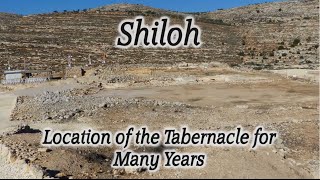
39.
And it came to pass, when all the people were clean passed over Jordan, that the LORD spake unto
Joshua, saying,
JOSHUA 4:1
40.
Then
Joshua called the twelve men, whom he had prepared of the children of Israel, out of every tribe a man
JOSHUA 4:4
41.
And
Joshua said unto them, Pass over before the ark of the LORD your God into the midst of Jordan, and take you up every man of you a stone upon his shoulder, according unto the number of the tribes of the children of Israel
JOSHUA 4:5
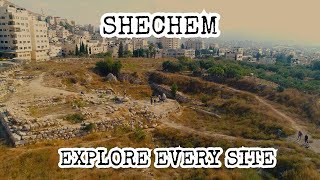
42.
And the children of Israel did so as
Joshua commanded, and took up twelve stones out of the midst of Jordan, as the LORD spake unto
Joshua, according to the number of the tribes of the children of Israel, and carried them over with them unto the place where they lodged, and laid them down there.
JOSHUA 4:8
43.
And
Joshua set up twelve stones in the midst of Jordan, in the place where the feet of the priests which bare the ark of the covenant stood and they are there unto this day.
JOSHUA 4:9
44.
For the priests which bare the ark stood in the midst of Jordan, until everything was finished that the LORD commanded
Joshua to speak unto the people, according to all that Moses commanded
Joshua and the people hasted and passed over.
JOSHUA 4:10
45.
On that day the LORD magnified
Joshua in the sight of all Israel; and they feared him, as they feared Moses, all the days of his life.
JOSHUA 4:14
46.
And the LORD spake unto
Joshua, saying,
JOSHUA 4:15
47.
Joshua therefore commanded the priests, saying, Come ye up out of Jordan.
JOSHUA 4:17
48.
And those twelve stones, which they took out of Jordan, did
Joshua pitch in Gilgal.
JOSHUA 4:20
49.
At that time the LORD said unto
Joshua, Make thee sharp knives, and circumcise again the children of Israel the second time.
JOSHUA 5:2
50.
And
Joshua made him sharp knives, and circumcised the children of Israel at the hill of the foreskins.
JOSHUA 5:3
51.
And this is the cause why
Joshua did circumcise All the people that came out of Egypt, that were males, even all the men of war, died in the wilderness by the way, after they came out of Egypt.
JOSHUA 5:4
52.
And their children, whom he raised up in their stead, them
Joshua circumcised for they were uncircumcised, because they had not circumcised them by the way.
JOSHUA 5:7
53.
And the LORD said unto
Joshua, This day have I rolled away the reproach of Egypt from off you. Wherefore the name of the place is called Gilgal unto this day.
JOSHUA 5:9
54.
And it came to pass, when
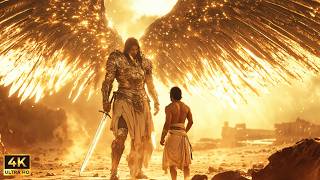
Joshua was by Jericho, that he lifted up his eyes and looked, and, behold, there stood a man over against him with his sword drawn in his hand and
Joshua went unto him, and said unto him, Art thou for us, or for our adversaries?
JOSHUA 5:13
55.
And he said, Nay; but as captain of the host of the LORD am I now come. And
Joshua fell on his face to the earth, and did worship, and said unto him, What saith my lord unto his servant?
JOSHUA 5:14
56.
And the captain of the LORD's host said unto
Joshua, Loose thy shoe from off thy foot; for the place whereon thou standest is holy. And
Joshua did so.
JOSHUA 5:15
57.
And the LORD said unto
Joshua, See, I have given into thine hand Jericho, and the king thereof, and the mighty men of valour.
JOSHUA 6:2
58.
And
Joshua the son of Nun called the priests, and said unto them, Take up the ark of the covenant, and let seven priests bear seven trumpets of rams' horns before the ark of the LORD.
JOSHUA 6:6
59.
And it came to pass, when
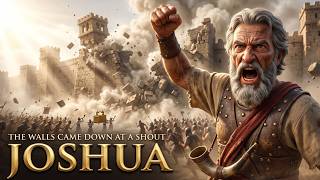
Joshua had spoken unto the people, that the seven priests bearing the seven trumpets of rams' horns passed on before the LORD, and blew with the trumpets and the ark of the covenant of the LORD followed them.
JOSHUA 6:8
60.
And
Joshua had commanded the people, saying, Ye shall not shout, nor make any noise with your voice, neither shall any word proceed out of your mouth, until the day I bid you shout; then shall ye shout.
JOSHUA 6:10
61.
And
Joshua rose early in the morning, and the priests took up the ark of the LORD.
JOSHUA 6:12
62.
And it came to pass at the seventh time, when the priests blew with the trumpets,
Joshua said unto the people, Shout; for the LORD hath given you the city.
JOSHUA 6:16
63.
But
Joshua had said unto the two men that had spied out the country, Go into the harlot's house, and bring out thence the woman, and all that she hath, as ye sware unto her.
JOSHUA 6:22
64.
And
Joshua saved Rahab the harlot alive, and her father's household, and all that she had; and she dwelleth in Israel even unto this day; because she hid the messengers, which
Joshua sent to spy out Jericho.
JOSHUA 6:25
65.
And
Joshua adjured them at that time, saying, Cursed be the man before the LORD, that riseth up and buildeth this city Jericho he shall lay the foundation thereof in his firstborn, and in his youngest son shall he set up the gates of it.
JOSHUA 6:26
66.
So the LORD was with
Joshua; and his fame was noised throughout all the country.
JOSHUA 6:27
67.
And
Joshua sent men from Jericho to Ai, which is beside Bethaven, on the east side of Bethel, and spake unto them, saying, Go up and view the country. And the men went up and viewed Ai.
JOSHUA 7:2
68.
And they returned to
Joshua, and said unto him, Let not all the people go up; but let about two or three thousand men go up and smite Ai; and make not all the people to labour thither; for they are but few.
JOSHUA 7:3
69.
And
Joshua rent his clothes, and fell to the earth upon his face before the ark of the LORD until the eventide, he and the elders of Israel, and put dust upon their heads.
JOSHUA 7:6
70.
And
Joshua said, Alas, O LORD God, wherefore hast thou at all brought this people over Jordan, to deliver us into the hand of the Amorites, to destroy us? would to God we had been content, and dwelt on the other side Jordan!
JOSHUA 7:7
71.
And the LORD said unto
Joshua, Get thee up; wherefore liest thou thus upon thy face?
JOSHUA 7:10
72.
So
Joshua rose up early in the morning, and brought Israel by their tribes; and the tribe of Judah was taken
JOSHUA 7:16
73.
And
Joshua said unto Achan, My son, give, I pray thee, glory to the LORD God of Israel, and make confession unto him; and tell me now what thou hast done; hide it not from me.
JOSHUA 7:19
74.
And Achan answered
Joshua, and said, Indeed I have sinned against the LORD God of Israel, and thus and thus have I done
JOSHUA 7:20
75.
So
Joshua sent messengers, and they ran unto the tent; and, behold, it was hid in his tent, and the silver under it.
JOSHUA 7:22
76.
And they took them out of the midst of the tent, and brought them unto
Joshua, and unto all the children of Israel, and laid them out before the LORD.
JOSHUA 7:23
77.
And
Joshua, and all Israel with him, took Achan the son of Zerah, and the silver, and the garment, and the wedge of gold, and his sons, and his daughters, and his oxen, and his asses, and his sheep, and his tent, and all that he had and they brought them unto the valley of Achor.
JOSHUA 7:24
78.
And
Joshua said, Why hast thou troubled us? the LORD shall trouble thee this day. And all Israel stoned him with stones, and burned them with fire, after they had stoned them with stones.
JOSHUA 7:25
79.
And the LORD said unto
Joshua, Fear not, neither be thou dismayed take all the people of war with thee, and arise, go up to Ai see, I have given into thy hand the king of Ai, and his people, and his city, and his land
JOSHUA 8:1
80.
So
Joshua arose, and all the people of war, to go up against Ai and
Joshua chose out thirty thousand mighty men of valour, and sent them away by night.
JOSHUA 8:3
81.
Joshua therefore sent them forth and they went to lie in ambush, and abode between Bethel and Ai, on the west side of Ai but
Joshua lodged that night among the people.
JOSHUA 8:9
82.
And
Joshua rose up early in the morning, and numbered the people, and went up, he and the elders of Israel, before the people to Ai.
JOSHUA 8:10
83.
And when they had set the people, even all the host that was on the north of the city, and their liers in wait on the west of the city,
Joshua went that night into the midst of the valley.
JOSHUA 8:13
84.
And
Joshua and all Israel made as if they were beaten before them, and fled by the way of the wilderness.
JOSHUA 8:15
85.
And all the people that were in Ai were called together to pursue after them and they pursued after
Joshua, and were drawn away from the city.
JOSHUA 8:16
86.
And the LORD said unto
Joshua, Stretch out the spear that is in thy hand toward Ai; for I will give it into thine hand. And
Joshua stretched out the spear that he had in his hand toward the city.
JOSHUA 8:18
87.
And when
Joshua and all Israel saw that the ambush had taken the city, and that the smoke of the city ascended, then they turned again, and slew the men of Ai.
JOSHUA 8:21
88.
And the king of Ai they took alive, and brought him to
Joshua.
JOSHUA 8:23
89.
For
Joshua drew not his hand back, wherewith he stretched out the spear, until he had utterly destroyed all the inhabitants of Ai.
JOSHUA 8:26
90.
Only the cattle and the spoil of that city Israel took for a prey unto themselves, according unto the word of the LORD which he commanded
Joshua.
JOSHUA 8:27
91.
And
Joshua burnt Ai, and made it an heap for ever, even a desolation unto this day.
JOSHUA 8:28
92.
And the king of Ai he hanged on a tree until eventide and as soon as the sun was down,
Joshua commanded that they should take his carcase down from the tree, and cast it at the entering of the gate of the city, and raise thereon a great heap of stones, that remaineth unto this day.
JOSHUA 8:29
93.
Then
Joshua built an altar unto the LORD God of Israel in mount Ebal,
JOSHUA 8:30
94.
There was not a word of all that Moses commanded, which
Joshua read not before all the congregation of Israel, with the women, and the little ones, and the strangers that were conversant among them.
JOSHUA 8:35
95.
That they gathered themselves together, to fight with
Joshua and with Israel, with one accord.
JOSHUA 9:2
96.
And when the inhabitants of Gibeon heard what
Joshua had done unto Jericho and to Ai,
JOSHUA 9:3
97.
And they went to
Joshua unto the camp at Gilgal, and said unto him, and to the men of Israel, We be come from a far country now therefore make ye a league with us.
JOSHUA 9:6
98.
And they said unto
Joshua, We are thy servants. And
Joshua said unto them, Who are ye? and from whence come ye?
JOSHUA 9:8
99.
And
Joshua made peace with them, and made a league with them, to let them live and the princes of the congregation sware unto them.
JOSHUA 9:15
100.
And
Joshua called for them, and he spake unto them, saying, Wherefore have ye beguiled us, saying, We are very far from you; when ye dwell among us?
JOSHUA 9:22
101.
And they answered
Joshua, and said, Because it was certainly told thy servants, how that the LORD thy God commanded his servant Moses to give you all the land, and to destroy all the inhabitants of the land from before you, therefore we were sore afraid of our lives because of you, and have done this thing.
JOSHUA 9:24
102.
And
Joshua made them that day hewers of wood and drawers of water for the congregation, and for the altar of the LORD, even unto this day, in the place which he should choose.
JOSHUA 9:27
103.
Now it came to pass, when Adonizedec king of Jerusalem had heard how
Joshua had taken Ai, and had utterly destroyed it; as he had done to Jericho and her king, so he had done to Ai and her king; and how the inhabitants of Gibeon had made peace with Israel, and were among them;
JOSHUA 10:1
104.
Come up unto me, and help me, that we may smite Gibeon for it hath made peace with
Joshua and with the children of Israel.
JOSHUA 10:4
105.
And the men of Gibeon sent unto
Joshua to the camp to Gilgal, saying, Slack not thy hand from thy servants; come up to us quickly, and save us, and help us for all the kings of the Amorites that dwell in the mountains are gathered together against us.
JOSHUA 10:6
106.
So
Joshua ascended from Gilgal, he, and all the people of war with him, and all the mighty men of valour.
JOSHUA 10:7
107.
And the LORD said unto
Joshua, Fear them not for I have delivered them into thine hand; there shall not a man of them stand before thee.
JOSHUA 10:8
108.
Joshua therefore came unto them suddenly, and went up from Gilgal all night.
JOSHUA 10:9
109.
Then spake
Joshua to the LORD in the day when the LORD delivered up the Amorites before the children of Israel, and he said in the sight of Israel, Sun, stand thou still upon Gibeon; and thou, Moon, in the valley of Ajalon.
JOSHUA 10:12
110.
And
Joshua returned, and all Israel with him, unto the camp to Gilgal.
JOSHUA 10:15
111.
And it was told
Joshua, saying, The five kings are found hid in a cave at Makkedah.
JOSHUA 10:17
112.
And
Joshua said, Roll great stones upon the mouth of the cave, and set men by it for to keep them
JOSHUA 10:18
113.
And it came to pass, when
Joshua and the children of Israel had made an end of slaying them with a very great slaughter, till they were consumed, that the rest which remained of them entered into fenced cities.
JOSHUA 10:20
114.
And all the people returned to the camp to
Joshua at Makkedah in peace none moved his tongue against any of the children of Israel.
JOSHUA 10:21
115.
Then said
Joshua, Open the mouth of the cave, and bring out those five kings unto me out of the cave.
JOSHUA 10:22
116.
And it came to pass, when they brought out those kings unto
Joshua, that
Joshua called for all the men of Israel, and said unto the captains of the men of war which went with him, Come near, put your feet upon the necks of these kings. And they came near, and put their feet upon the necks of them.
JOSHUA 10:24
117.
And
Joshua said unto them, Fear not, nor be dismayed, be strong and of good courage for thus shall the LORD do to all your enemies against whom ye fight.
JOSHUA 10:25
118.
And afterward
Joshua smote them, and slew them, and hanged them on five trees and they were hanging upon the trees until the evening.
JOSHUA 10:26
119.
And it came to pass at the time of the going down of the sun, that
Joshua commanded, and they took them down off the trees, and cast them into the cave wherein they had been hid, and laid great stones in the cave's mouth, which remain until this very day.
JOSHUA 10:27
120.
And that day
Joshua took Makkedah, and smote it with the edge of the sword, and the king thereof he utterly destroyed, them, and all the souls that were therein; he let none remain and he did to the king of Makkedah as he did unto the king of Jericho.
JOSHUA 10:28
121.
Then
Joshua passed from Makkedah, and all Israel with him, unto Libnah, and fought against Libnah
JOSHUA 10:29
122.
And
Joshua passed from Libnah, and all Israel with him, unto Lachish, and encamped against it, and fought against it
JOSHUA 10:31
123.
Then Horam king of Gezer came up to help Lachish; and
Joshua smote him and his people, until he had left him none remaining.
JOSHUA 10:33
124.
And from Lachish
Joshua passed unto Eglon, and all Israel with him; and they encamped against it, and fought against it
JOSHUA 10:34
125.
And
Joshua went up from Eglon, and all Israel with him, unto Hebron; and they fought against it
JOSHUA 10:36
126.
And
Joshua returned, and all Israel with him, to Debir; and fought against it
JOSHUA 10:38
127.
So
Joshua smote all the country of the hills, and of the south, and of the vale, and of the springs, and all their kings he left none remaining, but utterly destroyed all that breathed, as the LORD God of Israel commanded.
JOSHUA 10:40
128.
And
Joshua smote them from Kadeshbarnea even unto Gaza, and all the country of Goshen, even unto Gibeon.
JOSHUA 10:41
129.
And all these kings and their land did
Joshua take at one time, because the LORD God of Israel fought for Israel.
JOSHUA 10:42
130.
And
Joshua returned, and all Israel with him, unto the camp to Gilgal.
JOSHUA 10:43
131.
And the LORD said unto
Joshua, Be not afraid because of them for to morrow about this time will I deliver them up all slain before Israel thou shalt hough their horses, and burn their chariots with fire.
JOSHUA 11:6
132.
So
Joshua came, and all the people of war with him, against them by the waters of Merom suddenly; and they fell upon them.
JOSHUA 11:7
133.
And
Joshua did unto them as the LORD bade him he houghed their horses, and burnt their chariots with fire.
JOSHUA 11:9
134.
And
Joshua at that time turned back, and took Hazor, and smote the king thereof with the sword for Hazor beforetime was the head of all those kingdoms.
JOSHUA 11:10
135.
And all the cities of those kings, and all the kings of them, did
Joshua take, and smote them with the edge of the sword, and he utterly destroyed them, as Moses the servant of the LORD commanded.
JOSHUA 11:12
136.
But as for the cities that stood still in their strength, Israel burned none of them, save Hazor only; that did
Joshua burn.
JOSHUA 11:13
137.
As the LORD commanded Moses his servant, so did Moses command
Joshua, and so did
Joshua; he left nothing undone of all that the LORD commanded Moses.
JOSHUA 11:15
138.
So
Joshua took all that land, the hills, and all the south country, and all the land of Goshen, and the valley, and the plain, and the mountain of Israel, and the valley of the same;
JOSHUA 11:16
139.
Joshua made war a long time with all those kings.
JOSHUA 11:18
140.
And at that time came
Joshua, and cut off the Anakims from the mountains, from Hebron, from Debir, from Anab, and from all the mountains of Judah, and from all the mountains of Israel
Joshua destroyed them utterly with their cities.
JOSHUA 11:21
141.
So
Joshua took the whole land, according to all that the LORD said unto Moses; and
Joshua gave it for an inheritance unto Israel according to their divisions by their tribes. And the land rested from war.
JOSHUA 11:23
142.
And these are the kings of the country which
Joshua and the children of Israel smote on this side Jordan on the west, from Baalgad in the valley of Lebanon even unto the mount Halak, that goeth up to Seir; which
Joshua gave unto the tribes of Israel for a possession according to their divisions;
JOSHUA 12:7
143.
Now
Joshua was old and stricken in years; and the LORD said unto him, Thou art old and stricken in years, and there remaineth yet very much land to be possessed.
JOSHUA 13:1
144.
And these are the countries which the children of Israel inherited in the land of Canaan, which Eleazar the priest, and
Joshua the son of Nun, and the heads of the fathers of the tribes of the children of Israel, distributed for inheritance to them.
JOSHUA 14:1
145.
Then the children of Judah came unto
Joshua in Gilgal and Caleb the son of Jephunneh the Kenezite said unto him, Thou knowest the thing that the LORD said unto Moses the man of God concerning me and thee in Kadeshbarnea.
JOSHUA 14:6
146.
And
Joshua blessed him, and gave unto Caleb the son of Jephunneh Hebron for an inheritance.
JOSHUA 14:13
147.
And unto Caleb the son of Jephunneh he gave a part among the children of Judah, according to the commandment of the LORD to
Joshua, even the city of Arba the father of Anak, which city is Hebron.
JOSHUA 15:13
148.
And they came near before Eleazar the priest, and before
Joshua the son of Nun, and before the princes, saying, The LORD commanded Moses to give us an inheritance among our brethren. Therefore according to the commandment of the LORD he gave them an inheritance among the brethren of their father.
JOSHUA 17:4
149.
And the children of Joseph spake unto
Joshua, saying, Why hast thou given me but one lot and one portion to inherit, seeing I am a great people, forasmuch as the LORD hath blessed me hitherto?
JOSHUA 17:14
150.
And
Joshua answered them, If thou be a great people, then get thee up to the wood country, and cut down for thyself there in the land of the Perizzites and of the giants, if mount Ephraim be too narrow for thee.
JOSHUA 17:15
151.
And
Joshua spake unto the house of Joseph, even to Ephraim and to Manasseh, saying, Thou art a great people, and hast great power thou shalt not have one lot only
JOSHUA 17:17
152.
And
Joshua said unto the children of Israel, How long are ye slack to go to possess the land, which the LORD God of your fathers hath given you?
JOSHUA 18:3
153.
And the men arose, and went away and
Joshua charged them that went to describe the land, saying, Go and walk through the land, and describe it, and come again to me, that I may here cast lots for you before the LORD in Shiloh.
JOSHUA 18:8
154.
And the men went and passed through the land, and described it by cities into seven parts in a book, and came again to
Joshua to the host at Shiloh.
JOSHUA 18:9
155.
And
Joshua cast lots for them in Shiloh before the LORD and there
Joshua divided the land unto the children of Israel according to their divisions.
JOSHUA 18:10
156.
When they had made an end of dividing the land for inheritance by their coasts, the children of Israel gave an inheritance to
Joshua the son of Nun among them
JOSHUA 19:49
157.
These are the inheritances, which Eleazar the priest, and
Joshua the son of Nun, and the heads of the fathers of the tribes of the children of Israel, divided for an inheritance by lot in Shiloh before the LORD, at the door of the tabernacle of the congregation. So they made an end of dividing the country.
JOSHUA 19:51
158.
The LORD also spake unto
Joshua, saying,
JOSHUA 20:1
159.
Then came near the heads of the fathers of the Levites unto Eleazar the priest, and unto
Joshua the son of Nun, and unto the heads of the fathers of the tribes of the children of Israel;
JOSHUA 21:1
160.
Then
Joshua called the Reubenites, and the Gadites, and the half tribe of Manasseh,
JOSHUA 22:1
161.
So
Joshua blessed them, and sent them away and they went unto their tents.
JOSHUA 22:6
162.
Now to the one half of the tribe of Manasseh Moses had given possession in Bashan but unto the other half thereof gave
Joshua among their brethren on this side Jordan westward. And when
Joshua sent them away also unto their tents, then he blessed them,
JOSHUA 22:7
163.
And it came to pass a long time after that the LORD had given rest unto Israel from all their enemies round about, that
Joshua waxed old and stricken in age.
JOSHUA 23:1
164.
And
Joshua called for all Israel, and for their elders, and for their heads, and for their judges, and for their officers, and said unto them, I am old and stricken in age
JOSHUA 23:2
165.
And
Joshua gathered all the tribes of Israel to Shechem, and called for the elders of Israel, and for their heads, and for their judges, and for their officers; and they presented themselves before God.
JOSHUA 24:1
166.
And
Joshua said unto all the people, Thus saith the LORD God of Israel, Your fathers dwelt on the other side of the flood in old time, even Terah, the father of Abraham, and the father of Nachor and they served other gods.
JOSHUA 24:2
167.
And
Joshua said unto the people, Ye cannot serve the LORD for he is an holy God; he is a jealous God; he will not forgive your transgressions nor your sins.
JOSHUA 24:19
168.
And the people said unto
Joshua, Nay; but we will serve the LORD.
JOSHUA 24:21
169.
And
Joshua said unto the people, Ye are witnesses against yourselves that ye have chosen you the LORD, to serve him. And they said, We are witnesses.
JOSHUA 24:22
170.
And the people said unto
Joshua, The LORD our God will we serve, and his voice will we obey.
JOSHUA 24:24
171.
So
Joshua made a covenant with the people that day, and set them a statute and an ordinance in Shechem.
JOSHUA 24:25
172.
And
Joshua wrote these words in the book of the law of God, and took a great stone, and set it up there under an oak, that was by the sanctuary of the LORD.
JOSHUA 24:26
173.
And
Joshua said unto all the people, Behold, this stone shall be a witness unto us; for it hath heard all the words of the LORD which he spake unto us it shall be therefore a witness unto you, lest ye deny your God.
JOSHUA 24:27
174.
So
Joshua let the people depart, every man unto his inheritance.
JOSHUA 24:28
175.
And it came to pass after these things, that
Joshua the son of Nun, the servant of the LORD, died, being an hundred and ten years old.
JOSHUA 24:29
176.
And Israel served the LORD all the days of
Joshua, and all the days of the elders that overlived
Joshua, and which had known all the works of the LORD, that he had done for Israel.
JOSHUA 24:31
177.
Now after the death of
Joshua it came to pass, that the children of Israel asked the LORD, saying, Who shall go up for us against the Canaanites first, to fight against them?
JUDGES 1:1
178.
And when
Joshua had let the people go, the children of Israel went every man unto his inheritance to possess the land.
JUDGES 2:6
179.
And the people served the LORD all the days of
Joshua, and all the days of the elders that outlived
Joshua, who had seen all the great works of the LORD, that he did for Israel.
JUDGES 2:7
180.
And
Joshua the son of Nun, the servant of the LORD, died, being an hundred and ten years old.
JUDGES 2:8
181.
I also will not henceforth drive out any from before them of the nations which
Joshua left when he died
JUDGES 2:21
182.
Therefore the LORD left those nations, without driving them out hastily; neither delivered he them into the hand of
Joshua.
JUDGES 2:23
183.
And the cart came into the field of
Joshua, a Bethshemite, and stood there, where there was a great stone and they clave the wood of the cart, and offered the kine a burnt offering unto the LORD.
1 SAMUEL 6:14
184.
And the golden mice, according to the number of all the cities of the Philistines belonging to the five lords, both of fenced cities, and of country villages, even unto the great stone of Abel, whereon they set down the ark of the LORD which stone remaineth unto this day in the field of
Joshua, the Bethshemite.
1 SAMUEL 6:18
185.
In his days did Hiel the Bethelite build Jericho he laid the foundation thereof in Abiram his firstborn, and set up the gates thereof in his youngest son Segub, according to the word of the LORD, which he spake by
Joshua the son of Nun.
1 KINGS 16:34
186.
And he brought all the priests out of the cities of Judah, and defiled the high places where the priests had burned incense, from Geba to Beersheba, and brake down the high places of the gates that were in the entering in of the gate of
Joshua the governor of the city, which were on a man's left hand at the gate of the city.
2 KINGS 23:8
187.
In the second year of Darius the king, in the sixth month, in the first day of the month, came the word of the LORD by Haggai the prophet unto Zerubbabel the son of Shealtiel, governor of Judah, and to
Joshua the son of Josedech, the high priest, saying,
HAGGAI 1:1
188.
Then Zerubbabel the son of Shealtiel, and
Joshua the son of Josedech, the high priest, with all the remnant of the people, obeyed the voice of the LORD their God, and the words of Haggai the prophet, as the LORD their God had sent him, and the people did fear before the LORD.
HAGGAI 1:12
189.
And the LORD stirred up the spirit of Zerubbabel the son of Shealtiel, governor of Judah, and the spirit of
Joshua the son of Josedech, the high priest, and the spirit of all the remnant of the people; and they came and did work in the house of the LORD of hosts, their God,
HAGGAI 1:14
190.
Speak now to Zerubbabel the son of Shealtiel, governor of Judah, and to
Joshua the son of Josedech, the high priest, and to the residue of the people, saying,
HAGGAI 2:2
191.
Yet now be strong, O Zerubbabel, saith the LORD; and be strong, O
Joshua, son of Josedech, the high priest; and be strong, all ye people of the land, saith the LORD, and work for I am with you, saith the LORD of hosts
HAGGAI 2:4
192.
And he shewed me
Joshua the high priest standing before the angel of the LORD, and Satan standing at his right hand to resist him.
ZECHARIAH 3:1
193.
Now
Joshua was clothed with filthy garments, and stood before the angel.
ZECHARIAH 3:3
194.
And the angel of the LORD protested unto
Joshua, saying,
ZECHARIAH 3:6
195.
Hear now, O
Joshua the high priest, thou, and thy fellows that sit before thee for they are men wondered at for, behold, I will bring forth my servant the BRANCH.
ZECHARIAH 3:8
196.
For behold the stone that I have laid before
Joshua; upon one stone shall be seven eyes behold, I will engrave the graving thereof, saith the LORD of hosts, and I will remove the iniquity of that land in one day.
ZECHARIAH 3:9
197.
Then take silver and gold, and make crowns, and set them upon the head of
Joshua the son of Josedech, the high priest;
ZECHARIAH 6:11
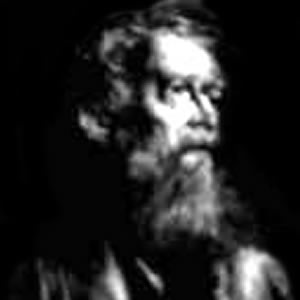
 1. Prophet Joshua: Joshua's Tomb at Kifl Hares, in the northern West Bank, Palestine. The image shows the exterior of [...] ON MAP
 2. Prophet Joshua: The image shows the traditional vault chamber housing the Tomb of Joshua (Nabi Yusha' located in [...] ON MAP
 Photo: LBM1948 | CC BY-SA 4.03. Prophet Joshua: Land of Goshen (Lower Egypt): Joshua was born into slavery within the [...] ON MAP
 Photo: Vyacheslav Argenberg | CC BY 4.04. Prophet Joshua: Rephidim Wilderness (Sinai Peninsula): Joshua led the Israelite [...] ON MAP
 Photo: Ian Scott | CC BY-SA 2.05. Prophet Joshua: The Jordan River Crossing (Al-Maghtas Region): Joshua assumed full [...] ON MAP
 Photo: Snapshots Of The Past | CC BY-SA 2.06. Prophet Joshua: Ancient Jericho (Tell es-Sultan, West Bank): Joshua marched his army [...] ON MAP
 Photo: דניאל צבי | CC BY-SA 4.07. Prophet Joshua: Gibeon (Al-Jib, West Bank): Joshua fought a major battle here against [...] ON MAP
 Photo: Deror Avi | CC BY-SA 4.08. Prophet Joshua: Shiloh (Ephraimite Highlands, West Bank): Joshua set up the sacred [...] ON MAP
 Photo: Deror_avi | CC BY-SA 3.09. Prophet Joshua: Shechem (Nablus, West Bank): Joshua gathered all the tribes here at [...] ON MAP
 Photo: Ovedc | CC BY-SA 4.010. Prophet Joshua: Timnat-Serah / Tomb of Joshua (Kifl Haris, West Bank): Joshua died at [...] ON MAP
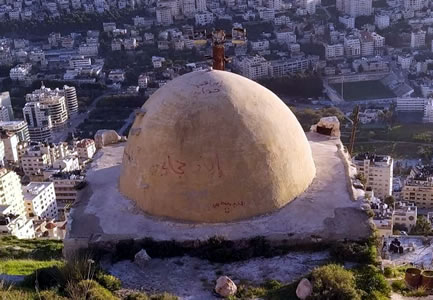 11. Prophet Joshua: Shrine on Mount Ebal ON MAP