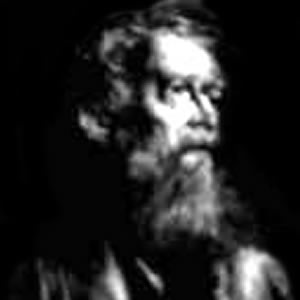
Seth was the third son of Adam and Eve and brother of Cain and Abel.
He was a righteous son and a gift bestowed upon Adam after the death of Abel.Although Seth is not mentioned in the Quran, he was a prophet like his father, and continued teaching mankind the laws of God after the death of his father Adam. Some sources even cite Seth as the receiver of a scripture.
Islamic literature holds that Seth was born when Adam was past 100 years and that, by the time Adam died, Adam had already made Seth the heir to him in guiding his people.
Islam, like Judaism and Christianity, traces the genealogy of mankind back to Seth, since Abel did not leave any heirs and Cain's heirs, according to tradition, were destroyed by the Great Flood.
57437 views · 1 hr ago
SETH
FACTS (3)
FACTS (3)
1. Adam's third son
2. Lived for 912 years
3. Seth knew Noah for 34 years before he died
SETH
FAMILY
View Prophet Tree
FAMILY
SETH
PHOTO (1)
PHOTO (1)
-
 Tomb of Seth is located within one of the main mosques in the village of Al-Nabi Shayth in the mountains of Baqaa Valley, Lebanon 1
SETH
Tomb of Seth is located within one of the main mosques in the village of Al-Nabi Shayth in the mountains of Baqaa Valley, Lebanon 1
SETH
SETH
VIDEO (7)
VIDEO (7)
 24:48
24:48
5245
1438041600
1752362555
Adam, Eve and Seth - Stories from the Bible
001488
1
 4:08
4:08
6499
1482192000
1752519439
Did Adam & Eve's Children Commit Incest? - Shabir Ally
000248
2
 13:48
13:48
4633
1529161173
1752479317
Prophet Seth - IslamicCinema
000828
3
 34:04
34:04
3886
1452384000
1752486283
Seth - Mufti Menk
002044
4
 12:43
12:43
6382
1424217600
1752500329
Seth: Music & Adultery Begins - Merciful Servant
000763
5
 56:44
56:44
4593
1570127005
1752518835
Stories of Prophets: Seth, Enoch & Noah - Shady Al-Suleiman
003404
6
 17:53
17:53
1342
1570473464
1752516994
The Story of Cain, Abel & Seth
001073
7
SETH
SCRIPTURE (8)
SCRIPTURE (8)
View Scripture:
Seth in the Torah
Torah is the first 5 books* of the Old Testament: Genesis, Exodus, Leviticus, Numbers and Deuteronomy.
And Adam knew his wife again; and she bare a son, and called his name Seth: For God, said she, hath appointed me another seed instead of Abel, whom Cain slew.
And to Seth, to him also there was born a son; and he called his name Enos: then began men to call upon the name of the LORD.
And Adam lived an hundred and thirty years, and begat a son in his own likeness, after his image; and called his name Seth:
And the days of Adam after he had begotten Seth were eight hundred years: and he begat sons and daughters:
And Seth lived after he begat Enos eight hundred and seven years, and begat sons and daughters:
Seth in the Psalms
Psalms is the third section of the Hebrew Bible. Many of the Psalms are linked to David.Seth in the Bible (Old Testament)
The Old Testament consists of 39 books* including the Jewish Torah (Genesis, Exodus, Leviticus, Numbers and Deuteronomy).
And Adam knew his wife again; and she bare a son, and called his name Seth: For God, said she, hath appointed me another seed instead of Abel, whom Cain slew.
And to Seth, to him also there was born a son; and he called his name Enos: then began men to call upon the name of the LORD.
And Adam lived an hundred and thirty years, and begat a son in his own likeness, after his image; and called his name Seth:
And the days of Adam after he had begotten Seth were eight hundred years: and he begat sons and daughters:
And Seth lived after he begat Enos eight hundred and seven years, and begat sons and daughters:
Seth in the Bible (New Testament)
The New Testament (Christianity) consists of 66 books*. 39 books from the Old Testament, and 27 additional books including Matthew, Mark, Luke and John.
Which was the son of Enos, which was the son of Seth, which was the son of Adam, which was the son of God.
Seth in the Quran
The Quran was revealed to Muhammad through the Angel Gabrial. It is the central religious text of Islam, which Muslims believe to be a direct revelation from God.Seth in Hadith
Hadith are the "prophetic traditions" of Muhammad; his teachings, actions, deeds and sayings. Hadith were compiled from oral reports in circulation in society around the time of their compilation.Seth in Ibn Kathir
Ibn Kathir (1300-1373) was an influential Muslim scholar/historian who wrote the reknowned 'Qisas Al-Anbiya' (Stories of the Prophets) book. An authorative and respected thesis on the many prophets of GodIMPORTANT NOTE: Ibn Kathir is NOT Revealed Scripture. It appears here as it contains relevant information