Video Description:
Join Bart Ehrman as he delves into the fascinating stories of Peter, Apostle Paul, and Prophet Mary Magdalene, exploring their pivotal roles in early Christian history. This video offers a comprehensive look at these key figures, providing valuable insights that resonate with followers of Judaism, Christianity, and Islam. Discover the profound impact these individuals had on shaping the foundations of faith and spiritual guidance. Whether you're interested in the Bible, the Quran, or the Torah, this discussion sheds light on the interconnectedness of religious narratives and the enduring legacy of these influential figures. Don't miss this enlightening exploration of early religious history and its relevance today.
Explore More
 Who was Mary Magdalene?
Mary Magdalene was a woman who, according to the four canonical gospels, travelled with Jesus as one of his followers and was a witness to his crucifixion and resurrection. Mary Magdalene is regarded by believers as a historical figure, possibly
from Magdala or some scholars suggest the term Magdalene (Tower) may have been a nickname given to her by Jesus. She is seen as a prominent follower of Jesus who was believed to have been healed by him, supported his ministry financially, and was present at his crucifixion and burial. She played a key role among his female disciples. Overall, there is limited information about her life.
Apocryphal early Christian writings often portray Mary Magdalene as a prominent, spiritually insightful figure favoured by Jesus, challenging traditional patriarchal norms. These texts have inspired modern re-interpretations of her role.
 Who was Apostle Paul?
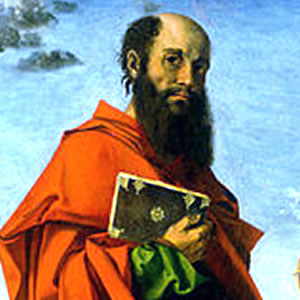
Paul the Apostle (Latin: Paulus), commonly known as Saint Paul and also known by his Jewish name Saul of Tarsus was an apostle (though not one of the Twelve Apostles) who taught the gospel of Christ to the first century world. Paul is generally
considered one of the most important figures of the Apostolic Age and in the mid-30s to the mid-50s AD he founded several churches in Asia Minor and Europe. He took advantage of his status as both a Jew and a Roman citizen to minister to both Jewish and Roman audiences. According to writings in the New Testament and prior to his conversion, Paul was dedicated to persecuting the early disciples of Jesus in the area of Jerusalem. In Acts, Paul was traveling on the road from Jerusalem to Damascus on a mission to 'arrest them and bring them back to Jerusalem' when the resurrected Jesus appeared to him in a great light. He was struck blind, but after three days his sight was restored by Ananias of Damascus and Paul began to preach that Jesus of Nazareth is the Jewish Messiah and the Son of God.
 Who is Bart Ehrman?
Bart Ehrman (born 1955) is an American New Testament scholar focusing on textual criticism of New Testament, historical Jesus, and development of early Christianity. Ehrman has written and edited 30 books, including three college textbooks. He has
also authored six New York Times bestsellers. He is currently the James A. Gray Distinguished Professor of Religious Studies at the University of North Carolina at Chapel Hill.