772 views
·
Last viewed: 5 days ago
Uploaded: 05 Dec 2017 (9 years ago) · Shared: 06 Feb 2019
Duration: 1:37
Uploaded: 05 Dec 2017 (9 years ago) · Shared: 06 Feb 2019
Duration: 1:37
Youtube Description
Most YouTube videos on the second century church fathers are favorable towards them, placing them in a most 'positive' light. The truth of these menis not completely told, to the misleading of many church folks.
Explore More
approvedofGod Church Father Church GODSearch Google Search Explore Topics
 Who are approvedofGod?
I am here to teach all people, but especially the "body of Christ" (the Church), that the bible is sufficient for what we believe. Throughout the centuries, men have brought many doctrines into the church that have caused confusion and separation. My desire and goal is to clarify some of these errors and bring all Christians back to the basics of the Bible.
What is Church Father?The Church Fathers, Early Church Fathers, Christian Fathers, or Fathers of the Church are ancient and influential Christian theologians and writers. There is no definitive list. The era of these scholars who set the theological and scholarly foundations of Christianity largely ended by AD 700. In the past, the Church Fathers were regarded as authoritative, and more restrictive definitions were used which sought to limit the list to authors treated as such.
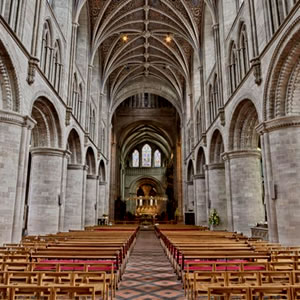 What is the Church?
A church is a building used for Christian worship services and Christian activities. The earliest identified Christian church is a house church founded between 233 AD and 256 AD. The word church also describes a body or assembly of Christian believers, while "the Church" refers to the worldwide Christian religious community.
Who is GOD?In monotheism and henotheism, God is conceived as the Supreme Being and principal object of faith. The concept of God as described by theologians commonly includes the attributes of omniscience (infinite knowledge), omnipotence (unlimited power), omnipresence (present everywhere), omnibenevolence (perfect goodness), divine simplicity, and eternal and necessary existence. In theism, God is the creator and sustainer of the universe In deism, God is the creator, but not the sustainer, of the universe Monotheism is the belief in the existence of one God or in the oneness of God In pantheism, God is the universe itself In atheism, God is purported not to exist, while deemed unknown or unknowable within the context of agnosticism.