1121 views
·
Last viewed: 19 hrs ago
Uploaded: 28 Oct 2019 (7 years ago) · Shared: 29 Oct 2019
Duration: 14:06
Uploaded: 28 Oct 2019 (7 years ago) · Shared: 29 Oct 2019
Duration: 14:06
Youtube Description
Let’s Get Biblical Study Guide (Volume 1 & 2)https://outreachjudaism.org/shop/lets-get-biblical-expanded-2-volume-study-guide/
https://outreachjudaism.org/ http://www.toviasinger.tv/
Explore More
Early Christian Apostle Paul Tovia Singer Sin JESUS
JESUS
Search Google Search Explore Topics
 What is Early Christian?
Early Christianity, the period of Christianity preceding the First Council of Nicaea in 325 AD. This typically divides historically into the Apostolic Age and the Ante-Nicene Period (from the Apostolic Age until Nicea). The first Christians, as described in the first chapters of the Book of Acts, were all Jews either by birth or conversion and historians refer to them as Jewish Christians. The early Gospel message spread orally, probably originally in Aramaic, and later in Greek. The New Testament's Acts of the Apostles and Epistle to the Galatians record that the first Christian community centered on Jerusalem and that its leaders included Peter, James, the brother of Jesus, and John the Apostle.
 Who was Apostle Paul?
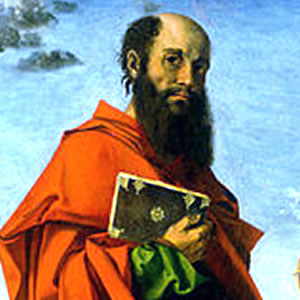
Paul the Apostle (Latin: Paulus), commonly known as Saint Paul and also known by his Jewish name Saul of Tarsus was an apostle (though not one of the Twelve Apostles) who taught the gospel of Christ to the first century world. Paul is generally considered one of the most important figures of the Apostolic Age and in the mid-30s to the mid-50s AD he founded several churches in Asia Minor and Europe. He took advantage of his status as both a Jew and a Roman citizen to minister to both Jewish and Roman audiences. According to writings in the New Testament and prior to his conversion, Paul was dedicated to persecuting the early disciples of Jesus in the area of Jerusalem. In Acts, Paul was traveling on the road from Jerusalem to Damascus on a mission to 'arrest them and bring them back to Jerusalem' when the resurrected Jesus appeared to him in a great light. He was struck blind, but after three days his sight was restored by Ananias of Damascus and Paul began to preach that Jesus of Nazareth is the Jewish Messiah and the Son of God.
 Who is Tovia Singer?
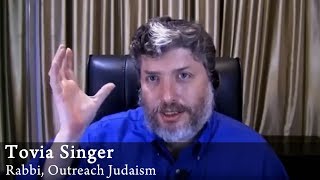
Tovia Singer (born 1960) is a Jewish rabbi. Singer is the founder and director of Outreach Judaism, Indonesia.
 What is Sin?
In Abrahamic contexts, sin is the act of violating God's will. Sin can also be viewed as anything that violates the ideal relationship between an individual and God; or as any diversion from the ideal order for human living. To sin has been defined as "to miss the mark". Sins fall in a spectrum from minor errors to deadly misdeeds. Catholicism regards the least corrupt sins as venial sins which are part of human living and carry immediate consequences on earth, and, if unrepented for, more painful purgation, assuming the person is destined to heaven, as it is written in the formation letter "Purgatory", "most of the early Fathers of the Church speak of a cleansing fire, though we cannot tell whether this means actual or spiritual fire." Conversely, sins of great evil are mortal sins which bring the consequence of hell if they are not addressed either through an act of perfect contrition or going to confession about them.