Uploaded: 24 Feb 2017 (10 years ago) · Shared: 28 May 2019
Duration: 15:50
Video Description
How did the modern 66 books of the Christian Bible come to form the recognized canon used today? In this compelling investigation, TorahCentric explores the intriguing early history behind scriptural canonization, focusing on pivotal decisions made by the Church in 1646. For generations, seekers across Christianity, Judaism, and those exploring interfaith perspectives have questioned whether this compilation stemmed from direct apostolic mandate or later religious councils. By carefully examining historical claims and theological arguments, this video invites viewers from all faith backgrounds to reflect on how these sacred texts were compiled and preserved.
Understanding the origins of holy scriptures offers valuable context for anyone seeking deeper spiritual reminders and a clearer picture of ancient history. Whether analyzing the enduring legacy of the Torah or the formation of the Christian Bible, TorahCentric provides an educational, balanced look at biblical authority. Watch to discover the captivating history behind the canonization process and evaluate the evidence for yourself.
Explore More
TorahCentric Church TorahSearch Google Search Explore Topics
 Who are TorahCentric?
TorahCentric is about seeking to do what the Creator has asked and about searching for His truth according to the text of His law. We want to move beyond traditions, such as the traditions of Christianity, Orthodox, Messianic, Samaritan, and Karaite Judaism and try to look at what the text actually says. The text exists for a reason, and that reason is not just for the sake of justifying tradition or personal biases.
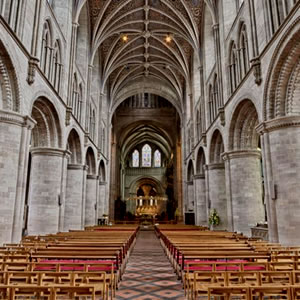 What is the Church?
A church is a building used for Christian worship services and Christian activities. The earliest identified Christian church is a house church founded between 233 AD and 256 AD. The word church also describes a body or assembly of Christian believers, while "the Church" refers to the worldwide Christian religious community.
 What is the Torah?
Torah, "Instruction", "Teaching" or "Law" has a range of meanings. Common to all these meanings, Torah consists of the origin of Jewish peoplehood: their call into being by God, their trials and tribulations, and their covenant with their God, which involves following a way of life embodied in a set of moral and religious obligations and civil laws. In rabbinic literature the word Torah denotes both the five books "Torah that is written" and the Oral Torah "Torah that is spoken". The Oral Torah consists of interpretations and amplifications which according to rabbinic tradition have been handed down from generation to generation and are now embodied in the Talmud and Midrash. According to rabbinic tradition, all of the teachings found in the Torah, both written and oral, were given by God through the prophet Moses, some at Mount Sinai and others at the Tabernacle, and all the teachings were written down by Moses, which resulted in the Torah that exists today. The majority of Biblical scholars believe the written books were a product of the Babylonian captivity (c. 600 BCE), based on earlier written and oral traditions, which could only have arisen from separate communities within ancient Israel, and that it was completed by the period of Achaemenid rule (c. 400 BCE).