Uploaded: 08 Jan 2012 (15 years ago) · Shared: 31 Jan 2018
Duration: 9:29
Video Description
Explore the fascinating parallels between Prophet Jesus , Horus, Attis, Krishna, Dionysus, Mithra, and other Sun Gods in this enlightening video. Delve into the early history and spiritual narratives that have shaped various faiths, including Islam, Christianity, and Hinduism. Discover how these figures, revered in their respective traditions, share remarkable similarities that offer profound insights into the human quest for divine connection. This video provides a respectful and comprehensive overview, weaving together themes from the Quran, Bible, and other sacred texts, to offer spiritual reminders and deepen your understanding of the interconnectedness of religious beliefs. Whether you are a follower of Islam, Christianity, Judaism, or any other faith, this exploration will enrich your spiritual journey and foster a greater appreciation for the universal quest for meaning and purpose.
Explore More
Dionysus Krishna Sun God Horus GOD JESUS
JESUS
Search Google Search Explore Topics
 Who was Dionysus?
Dionysus, also known as Bacchus, was a significant god in ancient Greek religion, revered for his association with wine, vegetation, fertility, and ecstasy.
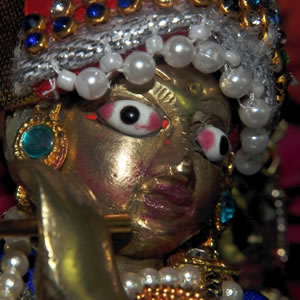 Who is Krishna?
Krishna is a major deity in Hinduism. He is worshiped as the eighth avatar of the god Vishnu and also as the supreme God in his own right. He is the god of compassion, tenderness, and love in Hinduism, and is one of the most popular and widely revered among Indian divinities.
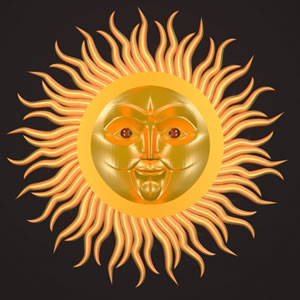 What is Sun God?
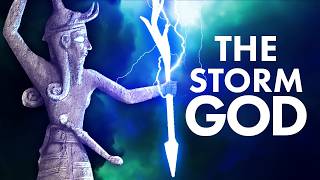
A solar deity (also sun god or sun goddess) is a sky deity. The diety represents the Sun, or an aspect of it, usually by its perceived power and strength. Solar deities and sun worship can be found throughout most of recorded history in various forms. The Sun is sometimes referred to by its Latin name Sol or by its Greek name Helios.
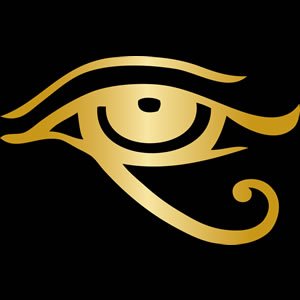 Who was Horus?
Horus is one of the most significant ancient Egyptian deities. He was worshipped from at least the late prehistoric Egypt until the Ptolemaic Kingdom and Roman Egypt. Different forms of Horus are recorded in history and these are treated as distinct gods by Egyptologists. He was most often depicted as a falcon, most likely a lanner falcon or peregrine falcon, or as a man with a falcon head. The most commonly encountered family relationship describes Horus as the son of Isis and Osiris, and he plays a key role in the Osiris myth as Osiris's heir and the rival to Set, the murderer of Osiris.
Who is GOD?In monotheism and henotheism, God is conceived as the Supreme Being and principal object of faith. The concept of God as described by theologians commonly includes the attributes of omniscience (infinite knowledge), omnipotence (unlimited power), omnipresence (present everywhere), omnibenevolence (perfect goodness), divine simplicity, and eternal and necessary existence. In theism, God is the creator and sustainer of the universe In deism, God is the creator, but not the sustainer, of the universe Monotheism is the belief in the existence of one God or in the oneness of God In pantheism, God is the universe itself In atheism, God is purported not to exist, while deemed unknown or unknowable within the context of agnosticism.