Uploaded: 18 Nov 2017 (9 years ago) · Shared: 25 Mar 2019
Duration: 20:54
In this compelling lecture, speaker Leo Prophet Muhammad of the Nation of Islam London Study Group explores how modern cultural celebrations impact spiritual identity and self-determination. Addressing societal influences surrounding holidays such as Halloween, fireworks night, and Christmas, the presentation offers thought-provoking spiritual reminders for individuals seeking deeper historical awareness. By examining the intersection of faith, history, and commercialized traditions, Leo Muhammad encourages listeners to reflect critically on the customs that shape contemporary life.
This engaging discourse provides valuable insights into how religious heritage and Islamic guidance can empower individuals to reclaim their purpose and independence. Drawing connections across broader faith perspectives—including themes reflected in the Bible, the Church, and traditional Abrahamic teachings—this presentation serves as a call for self-examination, cultural enlightenment, and renewed faith in the modern era.
Explore More
Search Google Search Explore Topics Leo Muhammad Black Man Christmas Slave NOI Who is Leo Muhammad?
Leo Muhammad is a student of the Honourable Minister Louis Farrakhan. He is a member of the Nation of Islam in the UK.
 What is a Black Man?
Dark skin is a naturally occurring human skin color that is rich in eumelanin pigments and having a dark color. People with relatively dark skin are referred to as brown, and those with very dark skin are often referred to as black, although this usage can be ambiguous in some countries where it is also used to specifically refer to different ethnic groups or populations. The evolution of dark skin is believed to have begun around 1.2 million years ago in light-skinned early hominid species after they moved from the equatorial rainforest to the sunny savannas. In the heat of the savannas, better cooling mechanisms were required, which were achieved through the loss of body hair and development of more efficient perspiration.
 What is Christmas?
Christmas is an annual festival commemorating the birth of Jesus Christ. It is observed primarily on December 25 as a religious and cultural celebration among billions of people around the world. Christmas Day is a public holiday in many of the world's nations, is celebrated religiously by a majority of Christians, as well as culturally by many non-Christians, and forms an integral part of the holiday season centered around it. Although the month and date of Jesus' birth are unknown, by the early-to-mid fourth century the Western Christian Church had placed Christmas on December 25, a date that was later adopted in the East. Today, most Christians celebrate on December 25 in the Gregorian calendar, which has been adopted almost universally in the civil calendars used in countries throughout the world.
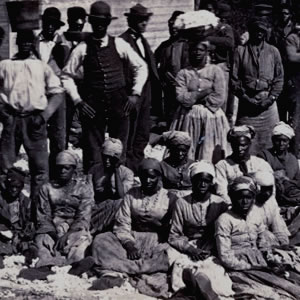 What is Slave?
Slavery is any system in which principles of property law are applied to people. Thus allowing individuals to own, buy and sell other individuals, as a de jure form of property. A slave is unable to withdraw unilaterally from such an arrangement and works without remuneration. Slavery began to exist before written history, in many cultures. A person could become enslaved from the time of their birth, capture, or purchase. While slavery was institutionally recognized by most societies, it has now been outlawed in all recognized countries, the last being Mauritania in 2007. Nevertheless, there are an estimated 45.8 million people subject to some form of modern slavery worldwide.
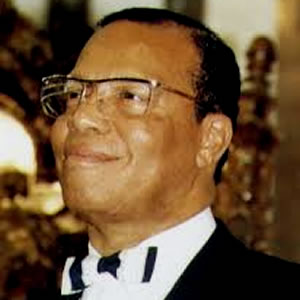 Who are NOI?
The Nation of Islam, abbreviated as NOI, is an African American political and religious movement. Founded in Detroit, Michigan, United States, by Wallace D. Fard Muhammad on July 4, 1930. Its stated goals are to improve the spiritual, mental, social, and economic condition of African Americans in the United States and all of humanity.
 5:44
5:44
 17:30
17:30
 1:50
1:50
 7:52
7:52
 26:53
26:53
 13:44
13:44
 19:26
19:26
 5:21
5:21