291 views
·
Last viewed: 13 hrs ago
Uploaded: 27 May 2014 (12 years ago) · Shared: 20 Sep 2017
Duration: 33:06
Uploaded: 27 May 2014 (12 years ago) · Shared: 20 Sep 2017
Duration: 33:06
Youtube Description
Ryan M. Reeves (PhD Cambridge) is Assistant Professor of Historical Theology at Gordon-Conwell Theological Seminary. Twitter:https://twitter.com/RyanMReeves Instagram: https://instagram.com/ryreeves4/
Website: http://www.gordonconwell.edu/academics/view-faculty-member.cfm?faculty_id=15906&grp_id=8947
This is Lecture 5 in the course 'Church History: Early and Medieval'. All material is copyrighted.
For the entire course, see the playlist: https://www.youtube.com/playlist?list=PLRgREWf4NFWZEd86aVEpQ7B3YxXPhUEf-
Explore More
Ryan Reeves ChurchSearch Google Search Explore Topics
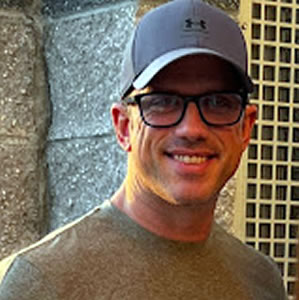 Who is Ryan Reeves?
Ryan Reeves is Assistant Professor of Historical Theology at Gordon-Conwell Theological Seminary. He is also an adjunct professor for Reformed Theological Seminary and teaches summers at Campus Crusade (Cru). Reeves received his PhD from Cambridge University and has two masters from Reformed Theological Seminary. He also was a guest student in theology at the University of Munster and has studied at Notre Dame's Medieval Institute and the Centro Pro Unione in Rome.
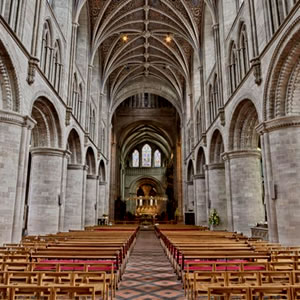 What is the Church?
A church is a building used for Christian worship services and Christian activities. The earliest identified Christian church is a house church founded between 233 AD and 256 AD. The word church also describes a body or assembly of Christian believers, while "the Church" refers to the worldwide Christian religious community.