1:06
539 views
·
Last viewed: 1 week ago
Uploaded: 19 Sep 2020 (6 years ago) · Shared: 22 Sep 2020
Video Description (from Youtube)
thehumanjesus.orgDISCLAIMER
All videos are shared for educational and information purposes only. All videos are hosted and viewable on Youtube servers. Video titles are generated using the original video title; overall content theme including actual dialogue and speech (Transcript); and A.I-based recommendations with a focus on SEO, keyword density, and internal search functions. The video title does not represent the views held by the Youtube video uploader, or any individual, organisation or business.
If you spot any mistake, omission or give feedback, kindly Contact Us with details
Overview & Key Concepts
Who is Anthony Buzzard?
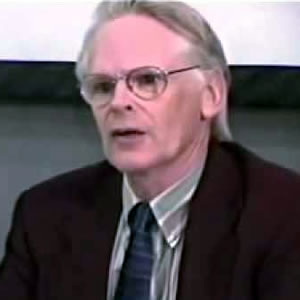 Sir Anthony Farquhar Buzzard, 3rd Baronet, ARCM (28 June 1935), is a biblical scholar, unitarian Christian theologian, author and professor on the
faculty of Atlanta Bible College. Buzzard gained a Diploma in Biblical Hebrew from the University of Jerusalem in 1970. He attended the University of London. He gained a Masters in Theology from Bethany Theological Seminary, Chicago, in 1990. Buzzard taught French and German at The American School in London and taught theology and Biblical languages for 24 years at Atlanta Bible College, McDonough, Georgia.
Who is GOD?
 In monotheism and henotheism, God is conceived as the Supreme Being and principal object of faith. The concept of God as described by theologians
commonly includes the attributes of omniscience (infinite knowledge), omnipotence (unlimited power), omnipresence (present everywhere), omnibenevolence (perfect goodness), divine simplicity, and eternal and necessary existence.
<ul>
<li>In theism, God is the creator and sustainer of the universe</li>
<li>In deism, God is the creator, but not the sustainer, of the universe</li>
<li>Monotheism is the belief in the existence of one God or in the oneness of God</li>
<li>In pantheism, God is the universe itself</li>
<li>In atheism, God is purported not to exist, while deemed unknown or unknowable within the context of agnosticism. </li>
</ul>
What is Sin?
In Abrahamic contexts, sin is the act of violating God's will. Sin can also be viewed as anything that violates the ideal relationship between an
individual and God; or as any diversion from the ideal order for human living. To sin has been defined as "to miss the mark".
<br><br>
Sins fall in a spectrum from minor errors to deadly misdeeds. Catholicism regards the least corrupt sins as venial sins which are part of human living and carry immediate consequences on earth, and, if unrepented for, more painful purgation, assuming the person is destined to heaven, as it is written in the formation letter "Purgatory", "most of the early Fathers of the Church speak of a cleansing fire, though we cannot tell whether this means actual or spiritual fire."
<br><br>
Conversely, sins of great evil are mortal sins which bring the consequence of hell if they are not addressed either through an act of perfect contrition or going to confession about them.
Frequently Asked Questions
1.Why did God send so many prophets?
God sent thousands of prophets with the sole message to worship the one, true God (the Creator) and not worship Creation, such as other men, prophets, spiritual leaders, trees, water, fire, animals, weather, money etc.
2.How did God send his revelation to us?
The Angel Gabrial (Jibreel) was tasked with conveying God's message to His prophets
3.What is the basic teaching of Islam about God?
Islam teaches that there is one, and only one, God Who is the Creator and Controller of the entire universe. He is unique in every respect, and there is nothing which bears any likeness to Him. He is the Knower of all things, and has full power over the whole of creation. He does not stand in need of anything at all, while everything is totally dependent on Him. He possesses all the perfect qualities, and man should worship Him, and Him alone.
4.Does Islam give any arguments to prove the existence of God?
The Holy Quran gives three kinds of arguments on this point.
Firstly, it refers us to the physical world which shows great order and arrangement, works according to laws, and where everything has a set purpose in the whole scheme of things. There is also immense beauty in nature which attracts man's heart. Science is discovering more and more of these characteristics of the world all the time. So behind this highly purposeful and beautiful working of nature must be One, single Intelligence of great beauty and attraction.
Secondly, the Quran tells us about the close and deep connection between God and the inner nature of every person. There is an in-built desire in each and every person to search for something higher than oneself, and when in difficulties a person instinctively wants to call upon a Hidden Power to help him.
Thirdly, and most convincingly, Prophets and men of God appeared in every nation in the world and showed their people the reality of God through their teachings and works. Just as most of us learn about science not by making all the discoveries ourselves, but by accepting the work and evidence of those who devote themselves to the study of science, similarly the proof of the existence of God is provided by the lives of the great luminaries whom God sent all over the world for this very purpose.
5.Other religions also teach the existence of God. Is there any difference between their teaching and the Islamic concept of God?
The first major difference is that Islam teaches the absolute one-ness of God, with Whom no one can share in Divinity. No idol or heavenly object, nor any religious or spiritual teacher, can possess some Divine power or attribute.
Secondly, Islam teaches the highest conception of God, and does not accept any limitation to His power and knowledge, while other religions set limits to Him. For instance, Islam rejects the Hindu belief that God is not the Creator of matter and souls but exists alongside them. It also rejects the Christian doctrine that God is unable to forgive sins unless He punishes someone, and so He sent His 'son' to suffer the punishment for the sins of all humanity. Moreover, a son is needed to take the place of the father when the father dies, and clearly this cannot apply if God is perfect.
Thirdly, Islam refutes the idea that any human being, however great, was a 'manifestation' of God on earth, or a Divine incarnate.
6.What is a prophet or messenger of God?
A prophet or messenger of God is a human being to whom God gives His guidance and whom He charges with the task of conveying that guidance to the people, so that they may do good and avoid evil.
7.Christianity and Hinduism revere their religious figures as gods or incarnations of God
According to Islam, all these righteous persons were mortal, human prophets of God, like Muhammad, having the same needs that every human being has. They all eventually died, as everyone must.
There are several reasons why they have come to be revered by their followers as 'gods'. One is that their words were misunderstood by the later generations, who mistook their figurative expressions in a literal sense. Another is that the details of their lives were not preserved accurately, and therefore a great many myths have grown up around them, and their works and deeds have been much exaggerated.
8.Is Allah the Moon-God?
Robert Morey, a Christian pastor first claimed Allah was a pagan Moon God. This is a false claim
9.Do Muslims believe in a God?
Yes, Muslims believe in Allah(God)
Muslims believe that Allah is the all-powerful Creator of a perfect, ordered universe.
He is transcendent and not a part of his creation. He is all-powerful, absolutely Just and He is First, Last, and Everlasting; He was when nothing was, and will be when nothing else remains. Also, There is no other entity in the entire universe worthy of worship besides Him.
This belief in God is how one becomes a Muslim and is similar to the first commandment of Christianity and Judaism: You shall have no other gods before Me.
The Quran presents this belief in Allah as:
Say He is Allah,the One,
Allah the Eternal,Absolute;
He does not beget,not nor is He begotten,
And there is none like Him.
Al-Ikhlas(1:1-4)
10.How many prophets did God send?
According to sources, God sent 124,000 prophets to guide mankind
11.In the Bible, God says "For God so loved the world, that he gave his only Begotten son"
The words "Begotten" and "Son" are not accurate. View Jesus is the Son of God for more information.
In the Quran, God says:
"They say: (God) Most Gracious has begotten a son! Indeed ye have put forth a thing most monstrous! At it the skies are ready to burst, the earth to split asunder, and the mountains to fall down in utter ruin, That they should invoke a son for (God) Most Gracious. For it is not consonant with the majesty of (God) Most Gracious that He should beget a son." (Quran 19:88-92)
12.According to Apostle Paul, why did God give Jews the Torah?
Paul claimed God gave Jews the Torah so that they could be saved later on by believing in Jesus Christ. This was God's divine plan.
13.Does the resurrection of Jesus prove he is God?
No. Jesus himself raised people after their death:
1. Jairus' daughter (Mark 5:35-43)
2. Son of a widow at Nain (Luke 11:11-17)
3. Lazarus, who was dead for four days (John 11-1-44)
Furthermore, the Old Testament shows women received their dead by resurrection (Hebrews 11:35)
Elijah raised a widows son from death (I Kings 17:17-24)
Therefore, the resurrection itself would not make Jesus unique or divine even.
14.How did Apostle Paul break Gods Law?
Two of the most demanding requests made by God of all faithful Jews was:
1. Circumcision of males as a sign of covenant
2. Ritual Purity - Both physical purity and dietary, careful regulation of what foods passed the lips
By rejecting the Torah, Paul broke away from God's requests.
15.How did the Sun-God manifest itself?
The Sun-God had many manifestations including:
* Apollo or Dionysus among the Greeks
* Hercules among the Romans
* Mithras in Persia
* Adonis and Attis in Syria
* Phrygia, the Osiris, Isis and Horns triad (Trinity) in Egypt
* Baal, Astarte and Tammuz triad (Trinity) among Babylonians
* Jesus Christ the 'Son-of-God' (Sun-God?)
16.How were the Triadic or 'Trinity-like' Pagan Gods presented?
The pagan Triadic dieties were shown as a single-head with 3 faces, 3 mouths but only 4 mouths. Such images were preserved across the Roman Empire.
17.Who was Mithras, the Sun-God?
Long before Jesus arrived, the Sun-God Mithras was worshipped.
* Mithras was said to have been a great mediator between God and
humanity
* Mithras was born of a virgin in a cave on December 25th
* Mithras travelled far and wide with 12 disciples
* Mithras died in the service of humanity.
* Mithras rose again from the tomb, and his resurrection was
celebrated with great rejoicing.
* His great festivals were the Winter Solstice and the Vernal
Equinox.
* Mithras was called Saviour and sometimes figures as a lamb.
People were initiated into the cult through the baptism of blood
18.Who was Dionysus, the Greek God of Wine?
* Dinoysus, the Greek God also known as Bacchus was born on
December 25th
* Dinoysus' mother was a virgin called Demeter
* The world was full of evil, so the GOD of Gods was called on
to save humanity
* The prayer was accepted by Jupiter who declared his Son
would redeem the world from its misery
* Dionysus known as his only begotten-Son, was sent as the
Saviour
* The shedding of Dinoysus' blood was symbolized in his gift
of wine to humanity
19.Who was the Attis God?
* Attis was born of a virgin named Nana
* Attis bled to death on a pine tree and his blood renewed the
fertility of the earth; bringing life to humanity
* He rose from the dead and this event is celebrated on 24th
March when Attis' image is attached to a pine-tree
* Attis' image was placed in a tomb, but the tomb was later
found to be empty and so the festival of resurrection was
celebrated
20.Were the Gods sacrificed?
* Horus - In Egypt, in the Heb-Sed festival, the powers of Pharaoh
(Horus incarnate) were tested. If found weak, Horus was expected to
sacrifice himself by donating his blood to the soil
* Kronos - A man was sacrified annually at the Phoenician
feast of Kronos. Kronos had a son, Ieoud who he sacrificed. Ieoud
was known as 'the only begotten son of his Father'
* Tammuz - A popular Syrian saviour-God born of a virgin
was killed and rose again every spring. Wherever Tammuz was
worshipped a human victim in royal robes was killed and eaten, so
his body and blood might bring salvation to the community.
21.Who was the Tammuz God?
Tammuz was a popular Syrian saviour-God who pre-existed Jesus
Christ yet shared a number of similarities:
* Tammuz was born of a virgin
* Tammuz was killed and rose again every spring.
* Wherever Tammuz was worshipped, he was celebrated with a
human victim in royal robes who was killed and eaten. This was so
the sacrifice, his body and blood might bring salvation to the
community
* One of the chief centres of Tammuz worship was Bethlehem,
said to have been the birthplace of Jesus
* Tammuz was called 'the Carpenter', a title related to the
'Architect' of the universe. Jesus too was called the 'son of the
carpenter'
* Tammuz was said to have entered Jerusalem riding two asses,
because this represented the passage of the sun at the summer
solstice through the sign of Cancer (two asses star-sign)
* In the gospel of Matthew, Jesus enters Jerusalem on two
animals.
Tell ye the daughter of Sion, Behold, thy King cometh unto thee,
meek, and sitting upon an ass, and a colt the foal of an ass.
(Matthew 21:5)
(Matthew 21:5)
22.Who was the Babylonian Baal God?
Details of the Babylonion Baal or Bel God were found by German
excavators in 1904 at the site of the ancient city of Ashur.
* Details of Baal's capture and his trial in the House on the
Mount
* Baal's torture and being led away to his death
* The city broke out in fighting
* Baal's clothes were carried away
* A woman wiped away blood from the weapon thrust into his
heart
* A weeping woman came to lament him at the 'Gate of Burial'
* Baal was brought back to life at the spring equinox
23.Why are their so many similarities between Jesus Christ and all the pagan Gods?
It is highly likely the reason why the Church priests burned and destroyed the earlier records of pagan Gods was to hide the evidence for the real origins of their own Christian mythology.
24.What is the God of the Old Testament like?
The God of the Old Testament is a jealous, bloodthirsty, vicious God that mercilessly commanded horrific attrocities like, for example:
Killing every human on the planet except the handful that went with Noah.
Moses commanding his people to shed each others blood as atonement for creating and worshiping the golden calf
The genocide of the people in the promised land when the Hebrews finally ended their 40-year stay in the dessert. Under the command of God, they wiped out whole cities, killing every man, woman and child.
25.In Islam, can God become a Man?
God is perfect and He is all powerful. Both Muslims and Christians accept that this is true. The ontological term for this is that God is "immutable" or absolute in His perfect nature. In the Christian faith, God's incarnation is seen as a manifestation of His power, whereas in Islam it is seen as the changing of God's nature. If God is perfect, and God's nature changes, how can He be perfect?
It would have to mean that He was not perfect before and is now perfect, which would not make Him God or that He was perfect before and is now not perfect, which would also not
make Him God.
If God is perfect, then there is no need for Him to become anything, so that He can grant us salvation. Since He's already perfect, loving and merciful, why would He need to change His nature to a weaker, human nature to grant us salvation? That's a contradiction. Therefore, when the Christian argues that God changing His nature makes Him perfect, this is not the case. They need to think before they speak.
If God is perfect and you add something to His nature, does that mean He was not perfect before? Which means He was not a God before this addition?
If God is perfect and you add something to His nature, that would mean He lacked something before and thus could not be a God.
26.Jesus is the son of God as he had no Father?
If Jesus is the son of God, Adam is the greater son of God as he had no father and no mother
27.In John 1:1. Jesus claims to be God?
In the beginning was the Word, and the Word was with God, and the Word was God.
In actual fact, the 'Word' is God's wisdom and action and not as a separate deity, as is presented in the Old Testament:
And the word of the Lord was Joseph’s helper (Gen.39:2)
And Moses brought the people to meet the word of the Lord (Ex. 19:17)
And the word of the Lord accepted the face of Job (Job 42:9)
And the word of the Lord shall laugh them to scorn (Ps. 2:4)
They believed in the name of His word (Ps. 106:12)
28.The first of all the commandments is, Hear, O Israel; The Lord our God is one Lord:
Mark 12:28
28 And one of the scribes came, and having heard them reasoning together, and perceiving that he had answered them well, asked him, Which is the first commandment of all?
29 And Jesus answered him, The first of all the commandments is, Hear, O Israel; The Lord our God is one Lord:
30 And thou shalt love the Lord thy God with all thy heart, and with all thy soul, and with all thy mind, and with all thy strength: this is the first commandment.
Mark 12:28-30
29.All scripture is given by inspiration of God, and is profitable for doctrine, for reproof, for correction, for instruction in righteousness:
2 Timothy 3:16
Yet in other Bible verses, Paul claims he is not inspired by God.
12 But to the rest speak I, not the Lord: If any brother hath a wife that believeth not, and she be pleased to dwell with him, let him not put her away.
1 Corinthians 7:12
25 Now concerning virgins I have no commandment of the Lord: yet I give my judgment, as one that hath obtained mercy of the Lord to be faithful.
1 Corinthians 7:25
17 That which I speak, I speak it not after the Lord, but as it were foolishly, in this confidence of boasting.
2 Corinthians 11:17
30.And this is life eternal, that they might know Thee the only true God, and Jesus Christ, whom thou hast sent
John 17:3
One does not need to be a doctor of divinity to construe our point! The archaic pronoun "THEE", as use in the text, alludes directly and distinctly to the father; no Trinitarian would deny this.
That being the case, if we substitute subject "Father" for the pronoun "THEE" we get:
"And this is life eternal, that they might know FATHER the only true God, and Jesus Christ, whom thou hast sent"
31.For God so loved the world, that he gave his only begotten Son, that whosoever believeth in him should not perish, but have everlasting life.
John 3:16
32.And Jesus answered him, The first of all the commandments is, Hear, O Israel; The Lord our God is one Lord:
Mark 12:29
28 And one of the scribes came, and having heard them reasoning together, and perceiving that he had answered them well, asked him, Which is the first commandment of all?
29 And Jesus answered him, The first of all the commandments is, Hear, O Israel; The Lord our God is one Lord:
30 And thou shalt love the Lord thy God with all thy heart, and with all thy soul, and with all thy mind, and with all thy strength: this is the first commandment.
31 And the second is like, namely this, Thou shalt love thy neighbour as thyself. There is none other commandment greater than these.
32 And the scribe said unto him, Well, Master, thou hast said the truth: for there is one God; and there is none other but he:
33 And to love him with all the heart, and with all the understanding, and with all the soul, and with all the strength, and to love his neighbour as himself, is more than all whole burnt offerings and sacrifices.
Mark 12:28-33
29 And Jesus answered him, The first of all the commandments is, Hear, O Israel; The Lord our God is one Lord:
30 And thou shalt love the Lord thy God with all thy heart, and with all thy soul, and with all thy mind, and with all thy strength: this is the first commandment.
31 And the second is like, namely this, Thou shalt love thy neighbour as thyself. There is none other commandment greater than these.
32 And the scribe said unto him, Well, Master, thou hast said the truth: for there is one God; and there is none other but he:
33 And to love him with all the heart, and with all the understanding, and with all the soul, and with all the strength, and to love his neighbour as himself, is more than all whole burnt offerings and sacrifices.
Mark 12:28-33
The above Bible verses show Jesus explain to his disciples that the first and most important commandment is to worship God, the Creator.
33.How did the prophets Moses, Jesus, Abraham etc. call out to God?
Most likely the Aramaic or (later) Hebrew form of Allah, which would be Elah or El. These are the generic names, but we do not know if it became generic due to normative use.
34.In the beginning was the Word, and the Word was with God, and the Word was God
John 1:1
35.Why does God allow suffering?
In general, God has allowed suffering to remind us that we need to adhere to His laws. The other reason for suffering is as a punishment for those who have violated Gods laws. Ultimately, suffering is a test of our faith in God and we must endure it with patience and appreciation for those who are suffering even greater trials.
36.How did God address Abraham and his wives?
37.How did Jesus tell people to reach God?
By following his way by keeping the law
38.Did Jesus claim to be equal to God?
Jesus confirmed God was greater then him
39.Are Jesus and God the same?
Jesus makes a distinction between himself and God here
40.Was Jesus sent and approved by God?
Jesus was sent and approved by God.
41.Was Jesus a servant of God?
Although the King James Version (KJV) Bible claims "his Son Jesus". Modern, more reliable Bible translations use "his servant Jesus" for this verse.
42.What is the greatest of Gods commandments?
To love God will all our heart.
43.Was Jesus and God one?
Jesus was saying that He and the Father are of one nature and essence.
Christians claim that this statement proves that Jesus is one or united with God and, consequently, Jesus is God. However, when Jesus died, he did not give up the Father, he only gave up the ghost, "And Jesus cried with a loud voice, and gave up the ghost" (Mark 15:37).
This claimed unity was not available to Jesus when he died; what happened to this unity and why did not the Father die when Jesus died, if Jesus and the Father are one?
44.Does the Bible support the Trinity (3-in-1) God concept?
This verse mentions the Trinity (Father, Son, Holy Ghost) in the King James Version Bible (KJV). Bible critics agree the KJV verse is a forgery that was added into the Bible. More modern, accurate Bibles give different text:
And the Spirit is the witness, because the Spirit is the truth - (RSV Bible)
And it is the Spirit that beareth witness, because the Spirit is the truth - (ASV Bible)
For there are three that testify: the Spirit, the water and the blood; and the three are in agreement. (NIV Bible)
45.If God is so powerful, can he become a man?
The Bible tells us that God is not a man or son of man.
46.Do all Christians believe Jesus was God or Son of God?
The early Jewish-Christians such as the Ebonites, the Cerinthians, the Basilidians, the Capocratians, and the Hypisistarians. The Arians, Paulicians and Goths also accepted Jesus as a prophet of God.
Even in the modern age there are churches in Asia, in Africa, the Unitarian church, the Jehovah's witnesses, and even the majority of todays Anglican Bishops do not worship Jesus as God.
47.Did God sent Jesus with the task of guiding people?
The Bible confirms that God sent Jesus, and God gave Jesus a job to do, which he duly completed (i.e. called the 12 disciples and others to the worship of God)
One does not need to be a doctor of divinity to construe our point! The archaic pronoun "THEE", as use in the text, alludes directly and distinctly to the father; no Trinitarian would deny this.
That being the case, if we substitute subject "Father" for the pronoun "THEE" we get:
"And this is life eternal, that they might know FATHER the only true God, and Jesus Christ, whom thou hast sent"
48.Jesus was God as he had the power to forgive sin
49.What did God promise Abraham regarding Isaac?
God promised Abraham he would establish an everlasting covenant with Isaac. If this is true, then why would God tell Abraham to sacrifice his 'only son' Isaac? A sacrifice would nullify the covenant?
50.What does God say about Ishmael, Abraham's eldest son?
God promises to make a nation from Ishmael. This is the Arab nation from whom Muhammad came.
51.Did Jesus confirm the oneness of God?
Yes
52.Did Jesus call for worship of one God?
Yes
53.Did Jesus call for the worship of one God?
Yes
54.Does God make a distinction between clean and unclean animals?
In the account of Noah's Flood. God makes a distinction between clean and unclean animals, but it is obvious that Noah knew the difference.
55.Does God make a distinction between clean and unclean animals?
In the account of Noah's Flood. God makes a distinction between clean and unclean animals, but it is obvious that Noah knew the difference.
56.Does God define clean and unclean animals, i.e. those we can eat?
God goes into great detail and lists which animals were clean (kosher; fit for human consumption) and which are unclean (non kosher; not fit for human consumption)
57.Did Jesus claim to be God?
When read in context with previous verses 22-30, Jesus makes a distinction between himself and the Father. 'My Father who has given them to me, is greater than all'. Therefore, Jesus and the Father are not one in person, for the Father must be a distinct person from the Son, and the Son a distinct person from the Father. The use of the verb plural, "I and [my] Father", (esmen) , "we are one" is in nature and essence.
58.Who are the Gods in the Bible?
Emperor Constantine at the opening of the Council of Nicaea (325 AD) quoted Psalm 82:6 to remind the bishops that their high office should raise them above jealousy and party feeling.
The term 'God' was applied to people of power, authority and rule who were considered to have greater nearness to God than others - an appellation which implies that you are God's representatives on earth, and that your decision is, in an important sense, to be regarded as his.
59.Does God have many sons?
According to Bible scholars the term 'sons of God' here refers to kings, rulers or princes. The term is plural and points to many sons.
60.Jesus claimed to be God. The Jews must have understood this, as they accused him of blasphemy and were ready to stone him?
The Jews were mistaken. Jesus did not claim to be God, claim divinity or commit blasphemy. In the next verse (John 10:34), Jesus tells the Jews to read their own books, Psalm 82:6 where men in power, eminence, dignity, government, judges, magistrates, in high office posts are called Gods too. i.e. the term God does not literally mean GOD.
61.In John 9:38, Jesus is worshipped like a God?
According to verse 38, a blind man is healed by Jesus, and after seeing Jesus he worships him.
In the Codex Sinaticus, the oldest manuscript of John, dated to 330-years after Jesus, verse 38 is not recorded. The entire verse 38 appears as an additional footnote on the side of the Codex Sinaticus.
Verse 38 was inserted into the bible to prove that Jesus was worshipped and that he acknowledged and allowed the people to worship him.
This proves that the early Jewish-Christians did not interpret Johns gospel in the way we do today. At some point a scribe felt so strongly about the divinity of Jesus that he was compelled to include a footnote into the main text as an actual verse.
62.In John 20:28, Jesus is called a God?
This verse 28 is a statement by Doubting Thomas and is used to demonstrate that Jesus was viewed as God, and therefter worshipped as one.
In the earliest manuscript, Papyrus66, the words "and my God" are missing. So verse 28 reads "And Thomas answered and said unto him, My Lord".
It appears that later bible scribes came across a gap in the manuscripts and using guesswork and speculation, filled it with the words "and my God".
Unfortunately, it is impossible to know what the original words in the papyrus were.
63.Are children born believing in a God?
Led by two academics at Oxford University, the £1.9 million study found that human thought processes were 'rooted' to religious concepts.
The project involved 57 academics in 20 countries around the world, and spanned disciplines including anthropology, psychology, and philosophy.
The co-director of the project, Professor Roger Trigg, from the University of Oxford, said the research showed that religion was “not just something for a peculiar few to do on Sundays instead of playing golf”.
"We have gathered a body of evidence that suggests that religion is a common fact of human nature across different societies. This suggests that attempts to suppress religion are likely to be short-lived as human thought seems to be rooted to religious concepts, such as the existence of supernatural agents or gods, and the possibility of an afterlife or pre-life."
Videos on Sin (340)

788 views
9:07
788
1424736000
1786593247
Prophet Moses - Dawood Yasin 1/2
000547
1

516 views
24:25
516
1424736000
1786881069
Prophet Moses - Dawood Yasin 2/2
001465
2

299 views
1:31:21
299
1438041600
1786268940
The Purpose of Life - Khalid Yasin
005481
3
200 views
2:14:37
200
1438041600
1787059040
The Historical Jesus - Khalid Yasin
008077
4
 1:24:19
257
1438041600
1786707112
Mary the Mother of ...? Khalid Yasin vs Robert Haddad and Andrew Katay
005059
5
 9:55
9:55
565
1438041600
1787050627
Why did Apostle Paul change the commandments of God? - Khalid Yasin
000595
6
 1:02
1:02
288
1438041600
1786675745
Creation of Adam ,The First Sin & The Expulsion of Iblees 3
000062
7
798 views
2:16:03
798
1438041600
1786610458
Jesus A Prophet of Allah - Khalid Yasin
008163
8
 42:45
42:45
685
1438041600
1787024361
Morality and Religion - Sikhism, Islam, Atheism - Shabir Ally, Mike Lake, Jagraj Singh
002565
9
 10:26
10:26
471
1441324800
1786764331
82% of Bible written by Apostle Paul - Khalid Yasin
000626
10
 15:13
15:13
856
1441324800
1787032925
Is Christianity and Islam idolatry? - Tovia Singer
000913
11
 1:29:16
272
1478649600
1787044940
The Bible's Missing Books? - Michael Kruger
005356
12
 40:18
40:18
705
1480896000
1787042851
Why do Christians ignore the Torah's Prohibition of Idolatory? - Tovia Singer
002418
13
 22:45
22:45
910
1480896000
1786816395
What is the Jewish view on the Christian Trinity - Tovia Singer
001365
14
 12:24
12:24
610
1480896000
1786992647
Why are New Testament books in non-chronological order? - Tovia Singer
000744
15
 24:21
24:21
712
1480896000
1786698337
Why did later Christians change the Gospels? - Tovia Singer
001461
16
 22:53
22:53
588
1480896000
1786511700
Why do the Gospels routinely contradict each other? - Tovia Singer
001373
17
 39:53
39:53
650
1480896000
1787010420
In Psalm 22:16, how did the Church show the Crucifixion of Jesus? - Tovia Singer
002393
18
 15:34
15:34
611
1480896000
1786944871
Why does the Quran call the Jews 'Apes'? - Tovia Singer
000934
19
 11:59
11:59
743
1482796800
1786982438
Mystery of the Christian Trinity - William Lane Craig vs Tovia Singer
000719
20
 5:25
5:25
462
1482796800
1786991161
Who authored the New Testament? - Tovia Singer
000325
21
 20:10
20:10
651
1482796800
1787013390
In Gospel of John, why was Jesus nailed to a Cross? - Tovia Singer
001210
22
 30:02
30:02
960
1482796800
1786634959
Did Apostle Paul read the Jewish Hebrew Bible? - Tovia Singer
001802
23
 19:24
19:24
280
1482796800
1786996404
Did Jesus die on the Cross in 6-hours? - Tovia Singer
001164
24
 26:01
26:01
577
1483401600
1787058330
Jewish Scripture translated from Hebrew to 'Toxic' English - Tovia Singer
001561
25
 36:26
36:26
914
1483401600
1786806751
In the Quran, why does God say Jews are more hostile towards Muslims than Christians? - Tovia Singer
002186
26
 13:01
13:01
620
1483401600
1786911634
Why do Muslims commit Idolatory and pray to the Kabah? - Tovia Singer
000781
27
 43:07
43:07
484
1483401600
1786039830
In Daniel 7:13, is Jesus 'The Son of Man'? - Tovia Singer
002587
28
 1:30:34
514
1483401600
1787025709
Was Jesus the promised Jewish Messiah? - Craig Evans vs Tovia Singer
005434
29

343 views
17:39
343
1483401600
1787056266
Who was Jesus? - Tovia Singer
001059
30
 5:39
5:39
616
1483401600
1786511321
How did Abraham observe the Torah when it was first given to Moses? - Tovia Singer
000339
31
 20:46
20:46
790
1483401600
1786712188
In Christianity, Jesus died for our sins. So are Christians today thankful to Jews for killing Jesus? - Tovia Singer
001246
32
 7:49
7:49
365
1485820800
1786465626
Abraham defeated his enemies at the Gate of Dan - Tovia Singer
000469
33
 8:48
8:48
756
1485820800
1786901828
Life of a Jewish Rabbi in Indonesia, the largest Muslim country? - Tovia Singer
000528
34
 1:46:02
618
1485820800
1786894518
Is Jesus prophesied in Jewish Scripture? - Tovia Singer vs Paul Humbler
006362
35
 42:01
42:01
477
1487808000
1786403192
Did Jesus die for your sins? - Tovia Singer
002521
36
 16:18
16:18
476
1487808000
1787054658
How can Jesus be both God and human? - Tovia Singer
000978
37
 12:26
12:26
547
1487808000
1787011135
In Psalm 2:12 does God say 'Kiss the Son'? - Tovia Singer
000746
38
 19:06
19:06
478
1487808000
1786975169
In Psalm 110:1, does GOD call Jesus a God? - Tovia Singer
001146
39
 1:18:56
816
1487808000
1786906021
Is the Christian Trinity from the Bible? - Tovia Singer
004736
40
 5:40
5:40
570
1487808000
1786251399
As John 1:1 and Genesis 1:1 agree, Jesus must be God - Tovia Singer
000340
41
 8:59
8:59
739
1487808000
1787055623
In Jeremiah 7:21, does blood sacrifice lead to salvation? - Tovia Singer
000539
42
 11:39
11:39
1165
1487808000
1786891473
Why Christianity is the gravest form of Idolatry - Tovia Singer
000699
43
 7:29
7:29
621
1487808000
1787056127
In Genesis 17:20, God made a covenant with Ishmael 'I will make him a great nation' - Tova Singer
000449
44
 27:55
27:55
990
1487808000
1786408346
How did Apostle Paul corrupt Jewish scriptures? - Tovia Singer
001675
45
 2:35
2:35
212
1487808000
1787017972
How the Bible has changed over 2000 years - Business Insider
000155
46
 36:48
36:48
745
1487808000
1787001157
Is the New Testament Bible true? - Tovia Singer
002208
47
 12:40
12:40
847
1487808000
1787051800
Is Trinity supported in the Bible? - Tovia Singer vs William Lane Craig
000760
48
 20:58
20:58
860
1490659200
1786982434
In Isaiah 9:6, is Jesus the Mighty God? - Tovia Singer
001258
49
 50:27
50:27
492
1490659200
1786685857
Troubling Passages in the Gospels - Tovia Singer
003027
50
 30:50
30:50
525
1490659200
1786547466
In Hebrews 9:22, is Blood necessary for Atonement of Sin? - Tovia Singer
001850
51
 9:21
9:21
930
1490659200
1787001158
In 1 John 5:8, the Church corrupted the New Testament to support the Christian Trinity - Tovia Singer
000561
52
 8:15
8:15
766
1490659200
1787052935
In Quran 9:30, God says the Jews took Ezra as the Son of God? - Tovia Singer
000495
53
 12:11
12:11
579
1490659200
1786724739
Do Muslims worship Muhammad like Christians worship Jesus? - Tovia Singer
000731
54
 18:30
18:30
590
1490659200
1786534222
In Matthew 2:15, Out of Egypt I called my son - Is this referring to Jesus? - Tovia Singer
001110
55
 1:52
1:52
511
1490659200
1786874362
How Christianity spread around the world - Business Insider
000112
56
 15:15
15:15
756
1490659200
1787023404
Why does Judaism reject the Trinity? - Tovia Singer
000915
57
 10:19
10:19
532
1490659200
1787045963
In Genesis 1:26, Let us make man in our image - How do Jews explain this verse? - Tovia Singer
000619
58
 11:03
11:03
900
1490659200
1786544853
In Zechariah 12:10, They will look on me, the one they have pierced, and they will mourn for him as one mourns for an only child - Is this about Jesus' Crucifixion? - Tovia Singer
000663
59
 16:22
16:22
393
1490659200
1786891228
In Genesis 19:30, did Lot commit incest with his daughters? - Tovia Singer
000982
60
 25:54
25:54
440
1490659200
1787007868
Do Jews hate or like Jesus? - Tovia Singer
001554
61
 36:29
36:29
742
1490659200
1786504432
Why did Bible Gospel writers corrupt the Jewish scripture? - Tovia Singer
002189
62
 13:39
13:39
589
1490659200
1787045336
In Zechariah 8:23, when was the word Jew first used? - Tovia Singer
000819
63

328 views
24:08
328
1490659200
1787001264
Evidence of Moses and Mount Sinai
001448
64
 12:27
12:27
542
1490659200
1786935825
The Search for Mount Sinai leads to Jabal Al-Lawz in Saudi Arabia
000747
65

292 views
46:42
292
1490659200
1786940893
Moses: The Search for Mount Sinai
002802
66
 20:01
20:01
658
1490659200
1786963224
Can you arrive at Morality using Logic? - Subboor Ahmad vs Agnostic James 1/2
001201
67
 20:01
20:01
748
1490659200
1786554910
Can you arrive at Morality using Logic? - Subboor Ahmad vs Agnostic James 2/2
001201
68
 32:27
32:27
648
1490659200
1787059839
Are Trinitarian Christians going to Hellfire? - Tovia Singer
001947
69
 18:18
18:18
349
1493856000
1787057702
How can a Serpent speak to Eve? - Tovia Singer
001098
70
246 views
12:59
246
1493856000
1786501669
Did Jesus fulfil the Law? - Tovia Singer
000779
71
 20:47
20:47
458
1493856000
1786781474
Did Jesus preach Gay Sex as Sinful (Homosexuality)? - Andrew Wilson vs Rob Bell
001247
72
 2:33
2:33
393
1493856000
1786907094
Codex Sinaiticus: World's Oldest Bible confirms Bible is Corrupt - CNN News
000153
73

367 views
7:17
367
1493856000
1786581590
Crucifixion of Jesus? - Khalid Yasin
000437
74

569 views
5:35
569
1493856000
1787054460
Are Prophets Sinless? - Nouman Ali Khan
000335
75
 25:36
25:36
499
1493856000
1787036465
As a Jehovah Witness, can I believe in Jesus and be saved? - Tovia Singer
001536
76
 39:39
39:39
549
1493856000
1786532077
Using Terrorism to spread Hatred - Adnan Rashid vs Godwin 1/2
002379
77
 40:10
40:10
530
1493856000
1786505632
Using Terrorism to spread Hatred - Adnan Rashid vs Godwin 2/2
002410
78
 37:09
37:09
420
1496793600
1786992649
Using Logic to understand the New Testament - Dale Tuggy
002229
79
 20:01
20:01
892
1496793600
1786975512
The Trinity becomes even more confusing - Mohammed Hijab vs Rasta Akida 1/2
001201
80
 10:26
10:26
844
1496793600
1786578639
The Trinity becomes even more confusing - Mohammed Hijab vs Rasta Akida 2/2
000626
81
 1:23:03
550
1496793600
1786684830
Jesus the Jewish Messiah - Tovia Singer vs Jim Cantelon
004983
82

563 views
28:32
563
1496793600
1787053627
The Red Sea Crossing - Rood Awakening
001712
83

337 views
28:31
337
1496793600
1786920405
The Real Mount Sinai - Rood Awakening
001711
84

851 views
33:30
851
1496793600
1786549140
1 John 5:7 added the Trinity to the Bible. Why did the Church allow such corruption? - Tovia Singer
002010
85
 28:18
28:18
588
1501545600
1786469778
Why the Church chose not to fix Bible errors? - Tovia Singer
001698
86
 30:40
30:40
330
1501545600
1786562701
John the Baptist was baptizing in the River Jordan. Were Sins forgiven? - Paul William vs Luke
001840
87
 37:39
37:39
924
1501545600
1786630449
In Matthew 24 and Luke 21, Jesus prophecized destruction of Jewish Temple | Tovia Singer
002259
88
 24:29
24:29
925
1501545600
1786722372
In Mark 1:5, John the Baptist baptized in the River Jordan. Were Sins forgiven? - Paul William vs Christian
001469
89
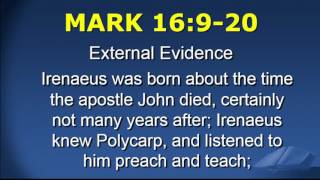
736 views
44:45
736
1501545600
1786971105
Mark 16:9-20 is missing in the Earliest Bible Manuscripts: Codex Sinaiticus (350 AD) and Codex Vaticanus (300 AD)
002685
90
 8:42
8:42
452
1501545600
1786963493
Codex Sinaiticus is an invaluable pillar of Christian Faith - James Dunn
000522
91
 8:54
8:54
656
1501545600
1786908614
For popularity, Christianity required less work, more faith. Everyone and every Sin was forgiven - EP Sanders
000534
92
 14:15
14:15
694
1501545600
1787031436
Do Muslims follow the 7 Noahide Laws? - Tovia Singer
000855
93
 31:01
31:01
429
1501894607
1786509964
You're a dirty Sinner. Prove your Allah loves me - Hamza Myatt vs David's Dad
001861
94
 7:44
7:44
369
1501894648
1786952148
Who did Adam's Sons, Cain and Abel marry? - Tovia Singer
000464
95
 32:04
32:04
895
1501894654
1786818870
Are Islam and Christianity oppressive in their worship of Adam? - Tovia Singer
001924
96
 21:34
21:34
719
1502135992
1787010942
In Psalm 118:22, Matthew 21:32 and Acts 4:11; was Jesus the Cornerstone whom the Builders rejected? - Tovia Singer
001294
97
 9:26
9:26
975
1502278495
1787058803
In Philippians 3:8, Apostle Paul compares Jewish Law with excrement - Tovia Singer
000566
98
 11:00
11:00
814
1502912103
1786291640
Eclipsing Empire: Apostle Paul, Rome and Kingdom of God - John Dominic Crossan
000660
99
 27:17
27:17
389
1502912016
1787054016
Why do Christians believe Jesus is God, when this was a lie invented by the later Church? - Tovia Singer
001637
100
 12:19
12:19
406
1502911948
1786924252
In Genesis 1:27 and Genesis 2:22, did God create Adam and Eve; or Eve from Adam's rib? - Tovia Singer
000739
101
 20:32
20:32
702
1503691151
1786760159
The Jewish God is Angry and the Christian God is Loving. Why? - Tovia Singer
001232
102
 15:32
15:32
455
1504459944
1786580586
Who is Jesus to the Jews? Who is Hanuman the Monkey God to me? - Tovia Singer
000932
103
521 views
14:10
521
1504459796
1786473440
Mark 7:16 is missing from the Bible. Is this a conspiracy to change Mark's Gospel? - Daniel Boyarin
000850
104
 38:39
38:39
588
1505867180
1786721563
In Jeremiah 31:32 and Hebrews 8:9, Christians replaced the word 'Husband' with 'Disregard'. Why? - Tovia Singer
002319
105
 54:40
54:40
625
1506722135
1787010581
Footage of Red Sea Crossing & Mount Sinai - Kevin Fisher
003280
106
 23:16
23:16
484
1506887689
1786992648
Original Sin is a false belief in the New Testament Bible - Peleh Ben Avraham
001396
107
 20:57
20:57
892
1507345878
1786546040
Did Jesus exist in the Jewish Talmud? - Tovia Singer
001257
108
 35:28
35:28
69
1509201504
1783553694
You are Organic matter designed using 'Precision Engineering' methods and Mitochondria - Mansur vs Scientist
002128
109
 57:49
57:49
1017
1509454170
1786980729
I am a Sinner. Logically, if I was a Martyr and donated my body to Science, God would still hate me - Hamza Myatt & Mansur Ahmad vs Christian
003469
110
 54:50
54:50
524
1510830499
1786845782
In Daniel 7:13, the 'Son of Man' will be worshipped - Tovia Singer
003290
111
 42:28
42:28
489
1511299939
1786690389
Jesus was Sinless. Muhammad the Sinner prayed for Forgiveness. - Hashim vs Christian Ladies 1/2
002548
112
 42:28
42:28
360
1511299943
1786731340
Jesus was Sinless. Muhammad the Sinner prayed for Forgiveness. - Hashim vs Christian Ladies 2/2
002548
113
 5:02
5:02
783
1511300150
1786765256
Not a single Christian Doctrine is in the Old Testament - Michael Skobac
000302
114
 8:41
8:41
686
1511414822
1786990637
In Matthew 2:1, the three Kings (Magi) from the East followed a Star to baby Jesus were Pagans? - Tovia Singer
000521
115
 16:13
16:13
565
1512005915
1786975483
In Psalm 2:12. did God kiss his Son or embrace Purity? - Tovia Singer
000973
116
 8:02
8:02
412
1512437608
1786833028
Mithraism, like other Ancient Near East pagan religions believed in Dying & Rising Gods - NT Wright
000482
117
 11:25
11:25
516
1512434184
1786563551
The Bible is not Scripture. Jesus is modelled on Dying & Rising pagan Gods like Osiris, Adonis and Addis - Gary Habermas vs Tim Callahan
000685
118
 1:29:11
250
1513961800
1786458631
Modern Wars are over resource using False Flag attacks - Daniele Ganser
005351
119
 28:06
28:06
208
1514115566
1785686764
Book of Obadiah: Judgment and Blessing - David Brett
001686
120
 27:05
27:05
448
1514850618
1787016826
Isaiah was written by three Authors, but Academic Bible Scholars today have no comment - Tovia Singer
001625
121
 31:37
31:37
754
1515887393
1787008615
Apostle Paul was not a religious Jew. He corrupted the Jewish Bible - Tovia Singer
001897
122
 19:20
19:20
410
1516577680
1786564008
Do Jews reject Jesus because he was Crucified? - Tovia Singer
001160
123
 37:30
37:30
775
1516837984
1787015190
In Genesis 3:8, God walks with Adam and Eve. So, the Christianity claims God was a Man - Tovia Singer
002250
124
 25:15
25:15
292
1517361580
1787001716
God's Forgiveness is a manifestation of His Mercy. God wants me to Sin, but I can't shake your hand - Imran London vs Woman
001515
125
 54:29
54:29
481
1520100415
1786988211
Prove a single verse is corrupt in the Quran - Hamza Myatt vs Lizzie
003269
126
 29:19
29:19
933
1520421753
1787056794
Inheritance in the Quran is confusing. 1 man with 1 mother, 3 daughters and a poor grandad who gets nothing - Mohammed Hijab vs Atheist
001759
127
 7:41
7:41
774
1520597747
1786757139
Echad and Yachid mean Singular 'One', not Compound 'One'. Christian Trinitarians have it all wrong! - Anthony Buzzard
000461
128
 54:40
54:40
572
1521803172
1787035624
Moses, Red Sea Crossing & Mount Sinai - Kevin Fisher (Ron Wyatt Discoveries) 2/4
003280
129
 1:25:00
944
1522341454
1786994398
Christianity debunked using Science & History - Richard Carrier
005100
130

197 views
1:18:27
197
1523800015
1786491385
Introduction to Islam - Asad Tarsin
004707
131
 9:39
9:39
814
1523799994
1786679751
Apostle Paul of Tarsus was not Rabbi Gamaliel's student - Tovia Singer
000579
132
 29:04
29:04
1176
1523799469
1787036327
Apostle Paul was not a Pharisee, or student of Rabbi Gamaliel. He persecuted early Jewish-Christians - Tovia Singer
001744
133
 4:42
4:42
254
1524784589
1785664109
Jesus is no different to any other 'Dying & Rising' God - Robert Price
000282
134
 14:06
14:06
329
1526338959
1786998965
Rohingya Cleansing in Arakan of Burma (documentary)
000846
135
 50:14
50:14
874
1528133244
1786936284
In 325 AD, Trinity became Official Church Doctrine at Council of Nicaea - Tovia Singer
003014
136
 2:26
2:26
1209
1528562589
1787001157
New Testament Bible compiled to agree with Catholic Christianity. Any opposing religious texts were destroyed - Doug Michael
000146
137

615 views
2:56
615
1529023006
1786918596
In Mark 16:9-20, Codex Sinaiticus and Codex Vaticanus do not have Mark's long ending - Daniel Wallace
000176
138
 2:30
2:30
230
1529235352
1786470924
Dying & Rising Savior Gods was a common belief long before Jesus was born - Richard Carrier
000150
139
 0:58
0:58
941
1529199705
1786766729
After Jesus' Crucifixion, 50 years of Christian history and evidences is missing - Richard Carrier
000058
140

204 views
3:28
204
1529235456
1786257909
Dying & Rising Saviour Gods did exist before Jesus Christ. This is historical fact - Richard Carrier
000208
141
 7:18
7:18
1326
1529453913
1787057382
Paul was 'Apostle to Gentiles' and claimed superiority over Jewish-Christians in Jerusalem Church - Tovia Singer
000438
142
 3:31
3:31
767
1529453915
1786692727
Gospels written 50 years after Jesus, and 20 years after Paul's Letters. Why so late? - Tovia Singer
000211
143
 1:10
1:10
1285
1529453925
1787012572
'Christianity converts to Rome' by adopting Roman myths and practises - Tovia Singer
000070
144
 3:46
3:46
604
1529434663
1786253807
Jesus existed with His Father since time began, or created later? (Arian Controversy) - Bart Ehrman
000226
145
 2:13
2:13
955
1529454387
1786538759
In 1 John 5:7-8, the Trinity verse was added by later scribes. It is missing from the earliest Greek manuscripts - Bart Ehrman
000133
146
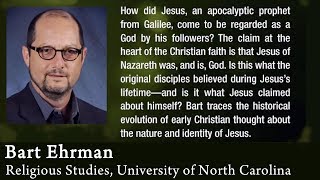 0:57
0:57
502
1529591136
1787022935
In Mark 2:10, Jesus claims authority to forgive Sin. But this does not make him God - Bart Ehrman
000057
147
 1:25
1:25
587
1529793126
1786857700
Early Christians held conflicting and opposing beliefs on Christian doctrine - Bart Ehrman
000085
148
1130 views
1:44
1130
1530141770
1787059458
Apostle Paul taught faith in Jesus' blood/death on the Cross was ultimate sacrifice for our Sins - Bart Ehrman
000104
149
 1:58
1:58
593
1530142916
1787052705
Gospels present fundamentally opposing Jesus stories due to 'oral culture' - Bart Ehrman
000118
150
 1:01
1:01
396
1530143854
1786300822
Jesus' central message was repent of your Sins, and prepare for God's Kingdom, not Love - Bart Ehrman
000061
151
 12:01
12:01
505
1530368435
1786699973
In the Old Testament, Abraham had many wives. Is he sinful? - Mansur Ahmad vs Christians
000721
152
 21:06
21:06
897
1530521012
1787057627
Heavenly sin will be substituted with superior laws of nature, morals and ethics - Mohammed Hijab vs Atheist Alex 1/3
001266
153
 17:23
17:23
769
1530521014
1787048108
Heavenly sin will be substituted with superior laws of nature, morals and ethics - Mohammed Hijab vs Philosopher Alex 2/3
001043
154
 24:31
24:31
704
1530521020
1787046499
Heavenly sin will be substituted with superior laws of nature, morals and ethics - Mohammed Hijab vs Philosopher Alex 3/3
001471
155
 21:04
21:04
454
1530604666
1787054627
Jesus voluntarily paid the 'spiritual price' for our Sins. Will he see glory of the Father's presence? - Mansur Ahmad vs Tourists
001264
156
 18:35
18:35
580
1530963334
1786934880
In Ezekiel 18:21, the bible says God will forgive the Sinner if he repents - Shamsi vs Christian 1/2
001115
157
 4:48
4:48
416
1530981304
1787049460
In Ezekiel 18:21, the bible says God will forgive the Sinner if he repents - Shamsi vs Christian 2/2
000288
158
 5:11
5:11
205
1531296745
1787057294
You'll be screaming in Hellfire, you Sin-loving God Hater - Jesse Morrell (Montana)
000311
159
 18:39
18:39
170
1531277566
1787054732
Quoting the Bible with Beer on your breath? Follow Jesus and rid Sin in your life - Jesse Morrell (Texas)
001119
160
 15:28
15:28
237
1531312567
1786415203
World is overpopulated, so you abortion living babies? Selfishness is root of all Sin - Jesse Morrell (Montana)
000928
161
 13:12
13:12
845
1531222015
1786904401
In 1 Corinthians 10:16, Jesus' body/blood are consumed at 'Eucharist'. Human sacrifice is not from Jewish scripture - Tovia Singer
000792
162
 4:06
4:06
377
1531349897
1786860690
In Luke 16:20, Lazarus is fiction. John makes Lazarus into a real, dying/rising person - Richard Carrier
000246
163
 3:13
3:13
584
1531349898
1786484598
In 1 Corinthians 9:9, Apostle Paul questions Gods command to muzzle an Ox - Tovia Singer
000193
164
 0:37
0:37
911
1531349897
1786402320
Apostle Paul's foundations are in the Greek Hellenistic, Graeco-Roman world - Tovia Singer
000037
165
 1:05
1:05
967
1531350441
1786504578
Apostle Paul of Tarsus: Tarsus, Athens & Alexandria were the 3 centres of Greek thought - Tovia Singer
000065
166

603 views
0:39
603
1531557063
1787044255
Since 1952, 26 different English translations of the Christian Bible been produced - Bruce Metzger
000039
167

183 views
10:01
183
1531739652
1786278500
Humans have Spiritual Alzheimer. We have forgot our Blessings and ignore God's Signs - Hamza Yusuf
000601
168
 33:11
33:11
242
1531739649
1787054294
In Paradise, 72 virgins await you. Pleasure is a Sin.. so what will you do? - Mansur Ahmad vs Preachers
001991
169
 2:57
2:57
812
1532001717
1786910450
Christianity is Idolatory. Majority of Christians worship Jesus as God - Tovia Singer
000177
170
 2:03
2:03
645
1532075359
1786912252
Islam is not Idolatory. Muslims worship One God - Tovia Singer
000123
171
 5:09
5:09
1173
1531997929
1786678896
Early Christians did not worship Jesus as God. Trinity came later and is not in NT Bible - Tovia Singer
000309
172
 0:39
0:39
629
1533124296
1786526247
In 1516 AD, Erasmus published first Greek NT Bible using unreliable manuscripts | Lorence Yufa | Milwaukee Atheists
000039
173
 1:16
1:16
558
1533124581
1786540998
Jesus' 12 disciples are missing at crucial events: Crucifixion, Burial & Empty tomb - Richard Bauckham
000076
174
 8:11
8:11
766
1536067099
1787054688
Do Christians believe Jesus is Messiah and God? - Tovia Singer
000491
175
 9:03
9:03
753
1538081242
1786915037
BBC News Presenter, Philip Hayton on 'confusing events' around 9/11 WTC 7 collapse
000543
176
 36:16
36:16
733
1538119370
1787059294
God creates Man imperfect, commands obedience. Why punish Sin? - Hamza Myatt vs Christians
002176
177
 12:33
12:33
982
1538890209
1787036474
In Christianity, the Trinity is more important than Jesus' virgin birth - Tovia Singer
000753
178

378 views
28:25
378
1538524226
1787058093
Grooming Gangs of Rochdale. No single group of people are to blame - Adnan Rashid vs Visitors
001705
179
 53:19
53:19
229
1538439519
1786024522
Did Muhammad wear women's clothes or approve of cross-dressing? - Adnan Rashid vs Builder Bob
003199
180
 3:12:40
422
1539172309
1786380729
African Black man was a 'cursed race' due to the sins of Ham, Noah's son - John G Jackson
011560
181
 13:41
13:41
317
1539172123
1787055944
Did Jesus forgive Sin and indirectly claim to be God? - Tovia Singer
000821
182
 10:04
10:04
675
1540936496
1787037949
Jews bring people to God. I am happy Sinead O Connor converted to Islam and follows Noahide Laws - Aaron Youtube
000604
183
 16:14
16:14
514
1541456065
1787037449
Jesus is 100% God and 100% Man. This is 100% Christian doctrine - Tovia Singer
000974
184
 4:41
4:41
270
1542663237
1786973093
3 major sins Jews must give up their lives for - Aaron Youtube
000281
185
 30:49
30:49
806
1543415194
1787042797
Apostle Paul lied. Jesus did not repair the 'Original Sin' of Adam - Tovia Singer
001849
186
 17:50
17:50
773
1544155623
1786711991
In the Old Testament, Elohim is Singular and Plural, but God is One, not Trinity - Peleh Ben Avraham
001070
187
 11:25
11:25
856
1545007044
1786991160
New Testament writers plagarized Jesus' Prophecies from Jewish Torah - Tovia Singer
000685
188
 1:31:34
496
1545161162
1786286081
Is Jesus the Promised Jewish Messiah? - Tovia Singer vs Carlton McDonald
005494
189
 1:30:49
681
1546174599
1786910376
Trinity is a form of Idolatory, in conflict with Jewish Bible - Tovia Singer
005449
190
 1:48:17
657
1547784320
1787050294
Greek language, philosophy & culture conflicts with Judaism. Greek is not God's language - Tovia Singer
006497
191
 33:13
33:13
639
1548891078
1786523832
In Romans 1:27, the Bible forbids homosexual lust and shameful acts. Say No to Temptation. Say No to Sin - Jesse Morrell
001993
192
 6:06
6:06
421
1549300208
1786525997
In Genesis 1:1, Elohim ('God') is singular when applied to Yahweh - Sean Finnegan
000366
193
 24:50
24:50
432
1549718319
1786933147
Mountain of Moses: Mount Sinai in Saudi Arabia - Ryan Mauro
001490
194
 7:19
7:19
594
1549718615
1786511535
Ryan Mauro Interview: Mountain of Moses: Mount Sinai in Saudi Arabia - CBN News
000439
195
 53:05
53:05
730
1550556978
1787033685
Overwhelming evidence Moses crossed the Red Sea into Saudi Arabia (Mount Sinai) - Andrew Jones
003185
196
 12:36
12:36
752
1551644978
1786942879
Evidence for Christians that Jesus is not God, the Creator of the Universe - Tovia Singer
000756
197

482 views
11:59
482
1552446268
1787057163
In John 14:6, Jesus claimed to be the Way, Truth and Life. But only in John! - Tovia Singer
000719
198

902 views
9:30
902
1552936900
1786935339
King James bible (KJV) translators 'twisted' the Jewish Hebrew verse to make it more 'Christian-like' - Tovia Singer
000570
199
 16:14
16:14
528
1552936923
1786813195
Book of Jonah teaches God forgives. Why do Christians believe we are already forgiven? - Tovia Singer
000974
200
 2:09
2:09
708
1552936892
1787059465
Codex Sinaiticus: Oldest Surviving Christian New Testament Bible - BBC4
000129
201
 23:29
23:29
875
1553512519
1786724490
In Mark 1:5, John The Baptist preached forgiveness of Sins through Repentence alone, not Human sacrifice. Muslims Agree - Paul William vs Christian
001409
202
 7:44
7:44
624
1553512499
1786572156
Bar Kokhba and Jesus were both killed by Rome. Who is the Messiah? - Tovia Singer
000464
203
 11:19
11:19
534
1553512496
1786276367
Book of Revelation was rejected by many early Church Fathers - Tovia Singer
000679
204
 11:55
11:55
1004
1553512494
1787044176
Christian Church claim Jesus' Crucifixion is in the Jewish Talmud/Scriptures is False - Tovia Singer
000715
205
 8:34
8:34
826
1553797614
1787001157
Marcion (85-160 AD) listed 11 books in New Testament Bible and rejected the Old Testament - Tovia Singer
000514
206
 9:54
9:54
708
1554497866
1786911362
In John 14:6, only though Jesus we reach God. This is idolatory - Tovia Singer
000594
207
 6:25
6:25
606
1554734202
1787035626
King David had multiple affairs. Why does Torah allow great Prophets to commit Sin? - Rabbi Tatz
000385
208
 1:46
1:46
184
1556568077
1786070967
Jesus took the Punishment for our Sins - Frank Turek
000106
209

477 views
4:56
477
1557326493
1787055601
Egypt's Missing - Amnesty
000296
210
 6:35
6:35
422
1557411188
1786953319
Syria's Missing: Vanished off the face of the earth - Amnesty
000395
211
 6:54
6:54
956
1558993159
1786486632
Apostle Paul saw a 'White Light' on road to Damascus, Syria? - Tovia Singer
000414
212
 17:19
17:19
638
1559047874
1786513584
In Hebrews 9:22, Apostle Paul wrote only 'shedding blood' atoned for Sin. He is wrong! - RTC
001039
213
 4:48
4:48
494
1559051883
1786257378
Capital letters in English translation of Old Testament Bible may be confusing - RTC
000288
214
 1:19
1:19
683
1559085967
1786527099
Jesus is not a Trinity? Get out of my Church! - Tovia Singer
000079
215
 3:55
3:55
696
1559259700
1786918408
Jesus became the Passover Lamb in John's Gospel, not Mark, Matthew or Luke - Tovia Singer
000235
216
 23:21
23:21
1031
1559689743
1787043516
Christianity is Progressing. Is Homosexuality still wrong? - Ductin (Godless Engineer)
001401
217
 33:11
33:11
606
1560035902
1786733864
Only God forgives Sin. But I forgive you for your silly Question - Paul William vs Christian
001991
218
 5:08
5:08
929
1562079955
1786270508
Trinity is a false doctrine not found in Old Testament, or the New Testament - Tovia Singer
000308
219
 6:06
6:06
391
1563022059
1786781746
Did Man inherit Original Sin from Adam or God? - Christian Diversity
000366
220

324 views
10:35
324
1563238961
1786406697
Jesus will not save you - Tovia Singer
000635
221
 11:02
11:02
403
1563238966
1786216608
Muslims eat Junk Food, watch Junk TV, drunk on Haraam, and we find it amusing? - Hamza Yusuf
000662
222
 11:00
11:00
503
1565341378
1786980260
Political Correctness went Global using Edward Bernays 'Propaganda' techniques - Alan Watt
000660
223
 12:32
12:32
665
1565341360
1786773166
Public Mind Control using Edward Bernays propaganda theories
000752
224
 8:55
8:55
810
1565341353
1787055294
Edward Bernays: Organizing People using Propaganda and Technology. People ready for common action
000535
225
 28:08
28:08
500
1565341317
1786553078
Jewish Messiah will die for our Sins? Prove it from the Bible - Paul William vs Rob
001688
226
 5:42
5:42
252
1566261338
1787053294
Did Hitler on the Road to Berlin, have a Vision that named him 'Apostle to the Jews'? - Khalid Yasin
000342
227
 2:39
2:39
540
1566426630
1787055767
Homoousios ('same substance') was a confusing and theologically Ambiguous word used by Athanasius, Eusebius and Marcellus - Kegan Chandler
000159
228
 7:29
7:29
629
1567988122
1787003800
Boosie: Everything on TV, is about exposing Children to Gays & Homosexuality
000449
229
 8:43
8:43
545
1568332743
1786964099
Mind Control an 'enslaved' Population using unlimited pleasurable distractions - Aldous Huxley (Brave New World)
000523
230
 10:13
10:13
782
1570021309
1787053960
Jesus' Resurrection (Mark 9-20) is missing in earliest Bible Manuscripts, Codex Sinaiticus and Vaticanus - TruthSurge
000613
231
 8:28
8:28
641
1570022363
1787056913
In John 8:1-11, the 'Adulterous Woman' story is missing from earliest Bible manuscripts - TruthSurge
000508
232
 2:28
2:28
641
1570025482
1786974284
Celsus, a Greek philosopher in 177 AD wrote against Jesus using Gospel sources - TruthSurge
000148
233
 32:15
32:15
455
1570473427
1786996239
Pagan Dying & Rising Gods parallel the Jesus' story - Robert Price 1/2
001935
234
 30:23
30:23
430
1570473438
1786515760
Pagan Dying & Rising Gods parallel the Jesus' story - Robert Price 2/2
001823
235
 15:31
15:31
726
1570474112
1787004183
Prophet Moses & Israelites: After Crossing The Red Sea 2/2
000931
236
 1:23
1:23
443
1570804802
1787058567
Using Deuteronomy 7:1, African Christians justified Apartheid on the Black indigenous population - Etienne Veto
000083
237
 2:00
2:00
640
1571010227
1786427543
Apostle Paul's writings appear to be multiple letters merged into 'single, engineered, ambiguous' Epistles - Richard Carrier
000120
238
 21:12
21:12
413
1571269223
1786712627
Jesus overcame Death to Free us from Sin. Why do people still Sin? - Shamsi vs Christian
001272
239
 17:09
17:09
332
1572251610
1786411809
Quit abusing your Dog by feeding it Broccoli. Give it a rump Steak - Hashim vs Vegan
001029
240
 14:06
14:06
1053
1572334442
1786805038
In Acts 15:29, the first Ecumenical Council ever set early Christian Laws, which Apostle Paul later opposed - Tovia Singer
000846
241
 10:56
10:56
692
1581092974
1786750796
Respect the Jewish Right to not worship a Man as God - Tovia Singer vs Jerusalem Church
000656
242
 20:04
20:04
934
1585696787
1787055538
Technocracy, a single Government, a global dictatorship led by Science that rules over us all - Jay Dyer
001204
243
 13:29
13:29
758
1585696998
1786970362
Was Apostle Paul really Jewish? - Tovia Singer
000809
244
 27:46
27:46
577
1586264306
1786908164
1% seek Power, Profit & Control using Quarantine, Lockdown & Vaccination of the 99% - Shiva Ayadurai
001666
245
 1:24:52
638
1587385127
1786539090
Beast #666 System using Coronavirus to enact Emergency Laws to Identify, Monitor & Track us - Signs Last Days
005092
246
 12:19
12:19
727
1587813839
1787048175
Digital ID2020 using Facial Biometrics coming to your Smartphone! - Chico Crypto
000739
247
 16:59
16:59
585
1588338814
1786636574
World unites to beat Coronavirus, with blessing of Vatican Pope - Signs Last Days
001019
248
 1:17
1:17
402
1589042686
1787022213
Singapore: Social distancing enforced by Boston Dynamics Robot
000077
249
 4:26
4:26
734
1589124048
1786992643
Philo of Alexandria, a Jewish-Greek philosopher wrote of Trinity using mystical, esotericism - approvedofGod
000266
250
 7:16
7:16
1005
1589288339
1786975782
Evangelical Christians 'unfairly' target Israeli Jews using GOD TV media - Tovia Singer
000436
251
 17:51
17:51
1156
1589498214
1787046997
In Romans 1:16, Apostle Paul urges GOD TV to evangelize Israel's Jews - Tovia Singer
001071
252
 1:29:39
345
1590442493
1786561530
Original disciples of Jesus were close to Orthodox Jews of today - Tovia Singer
005379
253

786 views
12:17
786
1590442498
1786577412
Virgin Births were common in pagan, Graeco-Roman Mythology. Jesus the God-Man was no different! - Tovia Singer
000737
254
 4:28
4:28
286
1590527387
1787056711
NemoCare, wearable monitors newborn babies health using Bluetooth - TechCrunch
000268
255
 3:46
3:46
386
1590794249
1786997200
Death Rate for COVID is '1 IN 1000', NOT '3 IN 100' causing Global Shutdown & Economic Recessions
000226
256
 14:13
14:13
319
1592870317
1787022591
Vincent, San Francisco, 'nearly qualified' as a Chiropractor, homeless since 2017 - Invisible People
000853
257

519 views
14:35
519
1597492548
1787045294
NWO Takeover (Post-COVID): Crash World Economies; offer Small/Medium Business Loans; take Ownership after they fail - Maneco64
000875
258
 9:32
9:32
342
1599927880
1786540047
Chad, Venice Beach Cali, homeless since age 9, eats from trash cans, dreams of united World - Invisible People
000572
259
 1:06
1:06
539
1600789057
1786248088
I Am A Singular, One-Person GOD - Anthony Buzzard
000066
260

406 views
7:49
406
1602169546
1786570724
COVID RT-PCR Test results 'corrupted' by increasing the Amplification-Cycle - Thomas Cowan
000469
261
 6:22
6:22
630
1602172917
1786878799
Creation of the Universe in The Quran - Khalid Yasin
000382
262
 19:59
19:59
811
1608901549
1787057658
Was Apostle Paul really a Jew? - Tovia Singer
001199
263
 32:17
32:17
881
1609605196
1787058791
Moses and Red Sea exodus route to Mount Sinai in Saudi Arabia - HolyLandSite
001937
264
 10:20
10:20
789
1611965007
1786982888
Judaism is totally opposed to Human Sacrifice - Tovia Singer
000620
265
 9:25
9:25
650
1612230489
1786994932
Jesus is not the Jewish Messiah - Tovia Singer
000565
266
 14:25
14:25
542
1612721463
1786753281
Why Christian Church celebrates Jesus Birthday on 25 December? - Tovia Singer
000865
267
 3:48
3:48
456
1616418706
1786581189
Israel rolls-out Medical Apartheid using COVID Bracelets - Ilana Rachel David
000228
268
 1:56
1:56
328
1619123618
1786547882
Lab-grown meat approved for sale in Singapore - World Economic Forum
000116
269
 9:14
9:14
569
1621458941
1787009186
Serbia distributes China's Sinopharm COVID Vaccine - Journeyman
000554
270
 6:38
6:38
511
1628174903
1786575928
NOVAVAX: A New, Traditional COVID Vaccine releasing soon? - Suneel Dhand
000398
271
 15:12
15:12
368
1664851435
1786622037
Eshmun: Dying & Rising God of Healing (6 BC) preceding Jesus (33 AD) - Gnostic Informant
000912
272
 1:24:35
434
1744072964
1786655895
Freedom, Justice and Dignity missing in Muslim Lands | Usuli Institute
005075
273
 11:38
11:38
387
1744065667
1787033204
Psychological Warfare against Black Men using Transgenderism | Umar Johnson
000698
274
 30:18
30:18
1116
1747359829
1786687083
Protestant Christians rely on Roman Catholic Traditions | Tovia Singer
001818
275

802 views
9:28
802
1747922301
1786883837
Do Prophets Commit Sins? | Shabir Ally
000568
276
 17:54
17:54
376
1750247750
1786643419
Secret History of Israel's Nuclear Weapons since 1958 | Binkov Battleground
001074
277
 5:30
5:30
847
1751303284
1787054794
Christianity adopted Roman Traditions. Jesus became The God | Tovia Singer
000330
278
 8:13
8:13
688
1751472416
1786252894
Why Apostle Paul opposed Old Testament Law | Tovia Singer
000493
279
 52:43
52:43
979
1752517154
1787032507
Singapore: Authoritarian Surveillance State driven by Technology (2023) | Moconomy
003163
280
 9:44
9:44
833
1753301976
1787031426
Pope Francis approves blessings for Homosexual Unions | Remnant Video
000584
281
 8:03
8:03
760
1753881531
1787054960
Why has Israel killed Palestinians since 1948 Nakba? | Subboor Ahmad vs Jew
000483
282
 26:48
26:48
1044
1754045456
1786533531
Israel's occupation of Gaza since 1967 is illegal. Yes or No? | Hamzah Saadah vs Zionist
001608
283
 5:55
5:55
421
1754173148
1786504697
Do Muslims hate Jews based on Scriptural Teachings? | Tovia Singer
000355
284
 22:48
22:48
325
1755262373
1786969161
Abraham and Lot in 'sinful' Sodom-Gomorrah | Unraveling Scriptures
001368
285
 2:48:51
767
1756919900
1786539689
Exposing Israel's Misinformation | Abdullah Andalusi | Islam21c
010131
286
 1:32:48
554
1759487839
1786515617
Exposing Zionist Israel's Power And Influence Over America | Tucker Carlson | Jeffrey Sachs
005568
287
 10:51
10:51
265
1770814281
1787049935
Love God And God Alone. Early Christians lost this message | Tovia Singer
000651
288
 37:48
37:48
135
1770775753
1787052960
World Leaders plan to End Human Life using Technology and A.I
002268
289
 1:01:34
185
1770947287
1787016499
Zionism entraps future Leaders using Blackmail, Money and Career Progression? | DeenShowTV
003694
290
 2:31
2:31
220
1770947296
1787054129
'Ahmed, my son was shot in the head. The Egypt-Israeli crossing is closed' | TRT World
000151
291
 9:16
9:16
173
1770948001
1787056582
Jesus Never Claimed to Be God. The Church Made It Up | Tovia Singer
000556
292
 15:46
15:46
4080
1771269335
1787031429
Christianity is a Pagan Mystery Religion | Tovia Singer
000946
293
 4:16
4:16
202
1771261375
1787006778
Fear of Losing My Daughter in the Israeli Church Attacks | Jason Jones Show
000256
294
 51:43
51:43
337
1771423395
1787037042
Why Early Christians turned Against Jews and Israel? | Tovia Singer
003103
295
 1:37:53
743
1771423436
1787033131
Relationship between Islam, Christianity and Judaism using The Quran | Gabriel Reynolds | Skepsislamica
005873
296
 29:34
29:34
186
1771426415
1786545864
Stop Criticising Israel - or LOSE your UK NHS Doctor's License | Crispin Flintoff Show
001774
297
 1:54:37
228
1771426405
1786521168
Is Jesus the Jewish Messiah? | Tovia Singer vs Michael Williams
006877
298
 13:45
13:45
282
1771431193
1787001157
Did Apostle Paul know his Letters would appear in the New Testament Bible? | Tovia Singer
000825
299
 17:15
17:15
229
1771431191
1786682460
Do Christians commit idolatory? | Tovia Singer
001035
300
 22:10
22:10
120
1771867725
1787033221
Missing Children. Missing Organs. Why steal Children's body parts?
001330
301
 24:09
24:09
390
1772066570
1787034166
Exposing Israel's Darkest Secrets for 2025 | Norman Finkelstein | Double Down News
001449
302
 14:41
14:41
355
1772065140
1787052589
Israel using A.I-generated KILL LIST using Palestinian's Facial Biometrics. Are Americans next? | Redacted
000881
303
 5:54
5:54
186
1772210385
1786989466
Mohammad, 13-year old Palestinian boy cares for 7 siblings after losing parents in Gaza war | NBC News
000354
304
 11:20
11:20
197
1772210212
1787011974
Was Jesus the Antichrist to the Jews? | Tovia Singer
000680
305
 52:10
52:10
303
1772210301
1787027898
Apostle Paul Lied! Hebrew Bible does not predict Jesus | Tovia Singer | History Valley
003130
306
 3:49
3:49
405
1772565658
1787034545
Who is closer to Judaism: Christianity or Islam? | Tovia Singer
000229
307
 2:12:23
208
1772719783
1787047961
Discussing The Moon God Theory from an Islamic Perspective | CL Edwards
007943
308
 9:55
9:55
343
1773101530
1787033350
Extreme Violence in Early Christianity | Tovia Singer
000595
309
 12:46
12:46
332
1773859793
1786553055
The Israel-Iran (Persia) War is Biblical. GOD Wants this War | Tovia Singer
000766
310

579 views
6:34
579
1773856025
1786949760
Religious, Anti-Zionist Jews who oppose Israel fail to understand Jewish Scripture | Tovia Singer
000394
311
 3:59
3:59
252
1774052542
1786540748
90% of Gaza's Water Infrastructure destroyed by Israel causing immense suffering | Middle East Eye
000239
312
 34:42
34:42
230
1774092845
1787028263
Mind Control using Nanotechnology (Graphene Oxide) to Enslave You | Redacted
002082
313
 7:19
7:19
501
1774575212
1786956860
Pax Judaica is centralized, global control using A.I Surveillance, Digital ID, Cashless and Biometrics | Jiang Xueqin
000439
314
 1:13:02
247
1776118159
1786254962
Is Jesus the Real Messiah? | DEBATE: Tovia Singer vs Tom Huszti (Unitarian)
004382
315
 19:54
19:54
343
1776120217
1786738488
Did Apostle Paul Invent Christianity? | Tovia Singer
001194
316

122 views
29:24
122
1778084145
1786584290
Enslaved to Authoritarian Technocrats who create history with disinformation | Willy OAM
001764
317
 12:14
12:14
257
1778068686
1787018908
Christian Church storytelling of Jewish Antisemitism | Tovia Singer
000734
318
 4:31
4:31
124
1778179962
1786910874
Mount Sinai in Saudi Arabia (Drone Footage, 2022)
000271
319
 6:43
6:43
45
1778381118
1787055961
Did Muhammad commit any Sins? | Truths Between Faiths
000403
320

139 views
3:16
139
1778355517
1786777731
Saqer Alawneh, 70-years old and forced by Israel to demolish car business and family home | TRT World
000196
321
 3:00
3:00
136
1778801722
1786933933
21,000 Palestinian children killed since October 2023 | TRT World
000180
322
 16:23
16:23
185
1778805017
1786843522
Is Christianity to blame for Jewish Antisemitism? | Tovia Singer
000983
323
 8:55
8:55
131
1778812320
1786840750
Akkadian (Iran/Iraq) Worship of Sin the Moon God | Atum
000535
324
 10:19
10:19
112
1782165845
1786980558
In Matthew 23:34, was Jesus antisemitic for stating Pharisees (Jews) persecute and kill God's messengers? | Tovia Singer
000619
325
 26:36
26:36
112
1782168101
1786989579
'Israel-Gaza War Crimes of Genocide and Ethnic Cleansing were broadcast live', Raji Sourani, Human Rights Lawyer | TRT World
001596
326
 2:27
2:27
102
1782168026
1787041402
Israel-Gaza War releases 30M Carbon Dioxide and 70M debris causing 'severe' pollution | TRT World
000147
327
 20:52
20:52
133
1782171826
1787026855
Book of Isaiah does NOT prove Trinity in Christianity | Tovia Singer
001252
328
 8:30
8:30
86
1782175397
1786517859
Israeli $730M PR budget to counter 'rockets of disinformation and lies' and protect Jewish people | Owen Report
000510
329
 3:44
3:44
145
1783076254
1787057461
Israel kills over 73,000 Palestinians in 32 months (since October 2023) | TRT World
000224
330
 8:43
8:43
111
1783208332
1786964711
Kenya attacks Free Speech and Censorship using Digital Tools and Surveillance | Al-Jazeera
000523
331
 1:00
1:00
92
1784227126
1786995226
'Not a Single CHILD Should Remain' in Gaza, Ex-Israeli MP | Middle East Eye
000060
332
 26:13
26:13
78
1784249045
1787005666
Misgendering is an 'Act of Violence' since 1948 | Steven Crowder debates LGBT College President
001573
333

108 views
23:27
108
1784250425
1787055460
Israeli IDF use Palestinians to check for explosives, to save losing Military Dogs | Dearbhla Minogue | Owen Jones
001407
334
 31:26
31:26
20
1784941552
1786655914
Seth - The True Heir of Adam's Blessing
001886
335
 20:07
20:07
64
1785152104
1786993222
Causing Chaos in the Streets of Syria (2026) | Don Rob Show
001207
336
 53:49
53:49
53
1785252182
1786977629
Cycling into Saudi Arabia; witnessing NEOM Line, Vision 2030 and Bedouin hospitality | Tieran Freedman
003229
337
 14:03
14:03
39
1785627784
1787053274
Israel to boost 'positive image' using A.I Search bots | Young Turks
000843
338
 34:29
34:29
59
1785701700
1787047384
In Christianity, Adam & Eve Sinned, so Jesus could Save - Judaism and Islam disagree | Shawna Dolansky | History Valley
002069
339
 8:32
8:32
9
1786921154
1787049770
Jesus NEVER Said 'I Am God' | Tovia Singer
000512
340