Live Screenshot
Source link:
https://edition.cnn.com/2020/04/09/world/lockdown-lift-vaccine-coronavirus-lancet-intl/index.htmlPublished by: CNN NEWS on 9 Apr 2020
1368 views · Last view: 1 day ago
News Text (from CNN NEWS)
Coronavirus lockdowns across the globe should not be completely lifted until a vaccine for the disease is found, according to a study based on China’s outbreak published in medical journal The Lancet. China’s draconian restrictions on daily life appear to have halted the first wave of Covid-19across much of the country, but the researchers used mathematical modeling to show that premature lifting of measures could result in a sweeping second wave of infection.
Authorities ended the 76-day lockdown of Wuhan in Hubei province on Wednesday, as the city at the original epicenter of the coronavirus crisis emerges from the deadly outbreak that is now raging across the globe. Some restrictions will remain in place, however, with officials conscious of the risk as trains and tourist sites were packed across the country.
“While these control measures appear to have reduced the number of infections to very low levels, without herd immunity against Covid-19, cases could easily resurge [...]
Explore More
Coronavirus CNN News Lockdown VaccineSearch Google Search Explore Topics
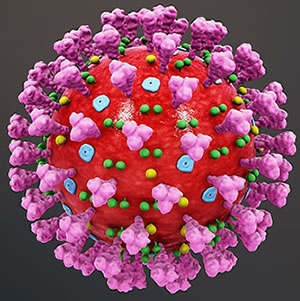 What is Coronavirus?
Coronaviruses are a group of viruses that cause diseases in mammals and birds. In humans, coronaviruses cause respiratory tract infections that are typically mild, such as the common cold, though rarer forms such as SARS, MERS, and COVID-19 can be lethal. Symptoms vary in other species: in chickens, they cause an upper respiratory tract disease, while in cows and pigs they cause diarrhea. There are yet to be vaccines or antiviral drugs to prevent or treat human coronavirus infections.
 Who are CNN News?
Cable News Network (CNN) is a United States cable television news channel. It is a subsidiary of AT&T's WarnerMedia. CNN was founded in 1980 by American media proprietor Ted Turner as a 24-hour cable news channel. Upon its launch, CNN was the first television channel to provide 24-hour news coverage, and was the first all-news television channel in the United States.
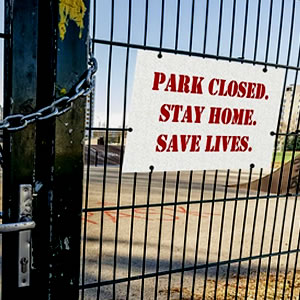 What is Lockdown?
Lockdown is an emergency protocol that usually prevents people or information from leaving an area. The protocol can usually only be initiated by someone in a position of authority. Lockdowns can also be used to protect people inside a facility or, for example, a computing system, from a threat or other external event. During the 2019-20 Coronavirus pandemic, the term lockdown was used for actions related to mass quarantines. Lockdowns can limit movements or activities in a community while allowing most organizations to function normally, or limit movements or activities such that only organizations supplying basic needs and services can function normally.
 What is Vaccine?
A vaccine is a biological preparation that provides active acquired immunity to a particular infectious disease. A vaccine typically contains an agent that resembles a disease-causing microorganism and is often made from weakened or killed forms of the microbe, its toxins, or one of its surface proteins. The agent stimulates the body's immune system to recognize the agent as a threat, destroy it, and to further recognize and destroy any of the microorganisms associated with that agent that it may encounter in the future. The administration of vaccines is called vaccination. Vaccination is the most effective method of preventing infectious diseases; widespread immunity due to vaccination is largely responsible for the worldwide eradication of smallpox and the restriction of diseases such as polio, measles, and tetanus from much of the world.