What is Gospel?
Gospel is the Old English translation of Greek evangelion, meaning "good news".
It originally meant the Christian message itself, but in the 2nd century it came to be used for the books in which the message was set out. The four gospels of the New Testament: Matthew, Mark, Luke and John are the main source of information on the life of Jesus. 13:16
13:16
885
1438041600
1787264784
What is the Christian Gospel? - NT Wright
000796
1
 2:56:24
895
1441324800
1787441191
The Historicity of the Life of Jesus in the Gospels - Shabir Ally vs John Dominic Crossan
010584
2
513 views
3:22
513
1456185600
1787345621
The Gospel Of Thomas - Yasir Qadhi
000202
3
651 views
26:19
651
1456185600
1787518024
Jesus Before the Gospels - Bart Ehrman
001579
4
 5:11
5:11
668
1456185600
1787332712
Who Wrote The Gospels: Mark, Matthew, Luke & John? - Bart Ehrman
000311
5
 24:21
24:21
719
1480896000
1787494401
Why did later Christians change the Gospels? - Tovia Singer
001461
6
 22:53
22:53
595
1480896000
1787496517
Why do the Gospels routinely contradict each other? - Tovia Singer
001373
7
 2:45
2:45
544
1482192000
1787421442
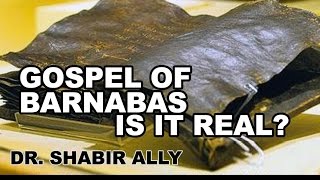
Is the Gospel of Barnabas real? - Shabir Ally
000165
8
633 views
6:32
633
1482192000
1787344243
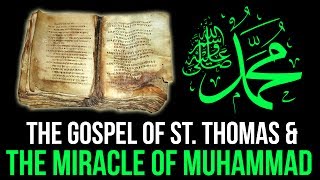
The Gospel of Thomas - Yasir Qadhi
000392
9
 7:22
7:22
381
1482192000
1787469854
Gospel of Thomas: Why is it not in the Bible?
000442
10

420 views
10:24
420
1482192000
1787344066
Gospel of Judas: What does it say?
000624
11
500 views
6:36
500
1482192000
1787490953
The Infancy Gospel of Thomas Explained
000396
12
 1:03:31
597
1482796800
1787345781
The Gospel of Barnabas predicts the coming of Muhammad
003811
13
 20:10
20:10
663
1482796800
1787502854
In Gospel of John, why was Jesus nailed to a Cross? - Tovia Singer
001210
14
 50:27
50:27
498
1490659200
1787506650
Troubling Passages in the Gospels - Tovia Singer
003027
15
1335 views
41:52
1335
1490659200
1787430891
God revealed scripture: Torah, Gospels, Injeel, New Testament Bible? - Shabir Yusuf vs Nathan 1/2
002512
16
1006 views
40:59
1006
1490659200
1787429331
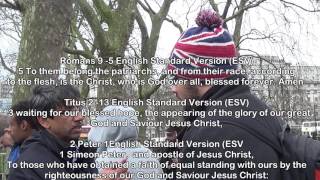
God revealed scripture: Torah, Gospels, Injeel, New Testament Bible? - Shabir Yusuf vs Nathan 2/2
002459
17
 7:38
7:38
572
1490659200
1787402308
Where is the Gospel (Injeel) of Jesus? - Ahmed Deedat
000458
18
 3:02
3:02
1204
1490659200
1787509509
The Torah and Gospel (Injeel) in the Quran - Shabir Ally
000182
19
 36:29
36:29
754
1490659200
1787502687
Why did Bible Gospel writers corrupt the Jewish scripture? - Tovia Singer
002189
20
 1:02:29
800
1490659200
1787446649
Are Gospels Based on Eyewitness Testimony - Bart Ehrman vs Richard Bauckham 1/2
003749
21
 1:14:12
705
1490659200
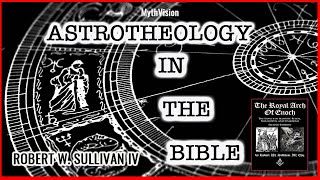
1787514435
Are Gospels Based on Eyewitness Testimony - Bart Ehrman vs Richard Bauckham 2/2
004452
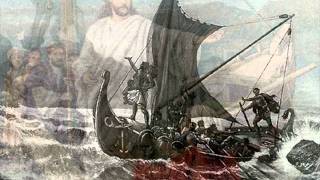
22
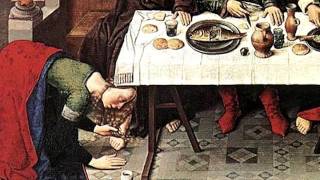
 5:09
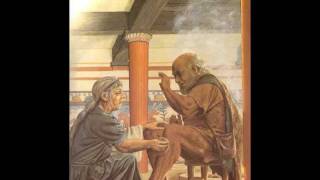
5:09
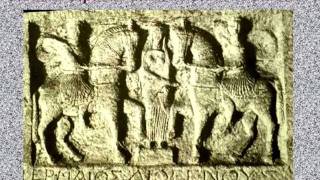
663
1493856000
1787345490
Did Matthew, Mark, Luke and John actually author the Gospels? - Darrell Bock
000309
23
 37:59
37:59
527
1493856000
1787345987
The Gospel Truth: Sometimes A Little Hazy - Bart Ehrman
002279
24
 1:00:10
1052
1493856000
1787428782
Can We Trust the Gospels? - Bart Ehrman vs Tim McGrew 1/2
003610
25
 1:09:55
838
1493856000
1787428812
Can We Trust the Gospels? - Bart Ehrman vs Tim McGrew 2/2
004195
26
 5:04
5:04
400
1493856000
1787183522
Were the Gospels Written Anonymously? - Jimmy Akin
000304
27
 44:38
44:38
778
1493856000
1787257812
New Testament: Gospel of Mark - Dale Martin 3/23
002678
28
 48:17
48:17
991
1493856000
1787455902
New Testament: Gospel of Matthew - Dale Martin 4/23
002897
29
 50:29
50:29
795
1493856000
1787508742
New Testament: Gospel of Thomas - Dale Martin 5/23
003029
30
 49:16
49:16
837
1493856000
1787493051
New Testament: Gospel of Luke - Dale Martin 6/23
002956
31
 49:50
49:50
847
1493856000
1786768286
New Testament: Gospel of John - Dale Martin 8/23
002990
32
 28:31
28:31
576
1493856000
1787430277
The Chronological Gospels - Rood Awakening
001711
33
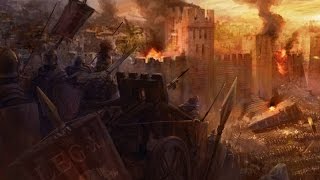 18:36
18:36
985
1493856000
1787513858
Siege of Jerusalem and destruction of the Jewish Temple and Jesus' Gospel (70 AD)
001116
34
 46:40
46:40
801
1496793600
1787517729
The Gospel of Mary Magdalene and Gnostic Spirituality - James Bean
002800
36
442 views
6:38
442
1496793600
1787409494
Deconstructing the Gospels - John Hudson
000398
37
 1:23:29
485
1501545600
1787471845
Banned From The Bible - Gospels Removed From Biblical History
005009
38
 32:32
32:32
1152
1501545600
1787471097
Authorship of the Gospels, Apostle Paul's Letters and Torah is disputed - Hamza Saudi vs Richard London
001952
39
804 views
8:22
804
1501545600
1787344685
Forged Fiction: Gospel of Mark
000502
40
426 views
6:05
426
1501545600
1787344507
Forged Fiction: Gospel of Matthew
000365
41
483 views
7:31
483
1501545600
1787345113
Forged Fiction: Gospel of Luke
000451
42
436 views
6:34
436
1501545600
1786508223
Forged Fiction: Gospel of John
000394
43
 1:07:49
516
1501545600
1787345603
Why do we have 4 different Jesus' Resurrection accounts in the Gospel of Mark? - Hamza Saudi vs PhD Josh
004069
44
 4:38
4:38
415
1501545600
1787431739
Who wrote the Gospels? - Michael Kruger - Ehrman Project
000278
45
 10:48
10:48
844
1501894583
1787446145
In Luke 8:45, Jesus asks who touched me. In Mark and Matthew's Gospel, why is a different account given? - Rizwan vs American Lady
000648
46
 1:03:15
735
1501894612
1787505123
In Mark's Gospel, Jesus is never God. I question all Biblical scripture on Jesus' divinity - Paul William vs Richard London
003795
47

880 views
12:34
880
1502278627
1787469524
99% of the foremost Bible Scholars, believe the historical Jesus in Mark's Gospel is more accurate than John's Gospel - Paul William vs Richard London
000754
48
 1:13:24
713
1503645911
1787344845
If Matthew's Gospel was written by a Liar. Did the Holy Spirit inspire the Lies? - Hamza Myatt vs PhD Josh 1/2
004404
49
 1:10:33
641
1503645952
1787396136
If Matthew's Gospel was written by a Liar. Did the Holy Spirit inspire the Lies? - Hamza Myatt vs PhD Josh 2/2
004233
50
528 views
14:10
528
1504459796
1787473455
Mark 7:16 is missing from the Bible. Is this a conspiracy to change Mark's Gospel? - Daniel Boyarin
000850
51
 10:13
10:13
722
1506880543
1787428132
Why is Jesus' Resurrection such a problem in the Gospels? - Peleh Ben Avraham
000613
52
 40:16
40:16
581
1507345698
1787344722
Which Gospel Author received Divine Inspiration? - Hamza Myatt vs Chris
002416
53
1112 views
47:41
1112
1508492852
1787451610
In Matthew 2:15 and Hosea 11:1, Jesus came from Egypt. No other gospel narrates this event - Hamza Myatt vs Protestant Rich
002861
54
 15:59
15:59
1482
1509377493
1787488951
In Quran 5:68, which Gospel (Injeel) does God refer to? - Mansur Ahmad vs David
000959
55
 14:41
14:41
628
1510313637
1787302882
The Crucifixion of Truth by Tony Bushby (Reading) - Gospel of John 5/9
000881
56
 9:56
9:56
511
1510334119
1787344652
The Crucifixion of Truth by Tony Bushby (Reading) - Gospel of Liars 7/9
000596
57
 12:06
12:06
519
1510817351
1787431022
Contradictions in the Birth and Geneaology of Jesus in the gospels of Matthew and Luke - Ken Humphreys
000726
58
 26:58
26:58
684
1511300162
1787487040
The Biblical gospels (Mark, Matthew, Luke, John) were originally 'Nameless' Anonymous Texts - Daniel Wallace
001618
59
 29:21
29:21
751
1512005899
1787514566
Early History and Authorship of the Gospels - Richard Carrier 1/2
001761
60
 19:03
19:03
526
1512415573
1787345556
My Search for Gospel Truth - Robert Price
001143
61
 2:25
2:25
1045
1512437641
1787422936
Jesus' infancy is difficult to reconcile in the Gospels (his birthplace, Bethlehem, Jerusalem, Nazareth, Egypt, 3 Kings etc.) - Mike Licona
000145
62
 28:13
28:13
660
1512501625
1787473348
Jesus' Crucifixion is a celebrated Triumph in John, but a sad Tragedy in Mark, Matthew and Luke's gospel - John Spong
001693
63
 22:41
22:41
465
1513122119
1787431593
Jesus was unknown outside of the Gospels. We need Josephus - Lena Einhorn
001361
64
 2:08
2:08
539
1513438705
1787345073
Originally, the Gospel of Matthew was an Anonymous text with no known Author. Who chose the name Matthew, when and why?
000128
65
 1:28:26
581
1513622779
1787429743
Why the Gospels are Fiction - Richard Carrier
005306
66
 20:51
20:51
509
1513991251
1787429733
Early History and Authorship of the Gospels - Richard Carrier 2/2
001251
67
 1:00:35
934
1515117940
1787428600
Mythical Jesus, Catholics and Engineering of Dates, Events, Gospels and Epistles (Clement & Barnabas) affirming pre-existant pagan Christ cults - Mike Lawrence (NotoriUK)
003635
68
 54:19
54:19
561
1515887382
1787428622
There are many, many differences in the Gospels. I don't know why! - Mike Licona
003259
69
620 views
33:57
620
1522452149
1787508995
Matthew copied Mark. Therefore, Matthew believed Mark's Gospel was imperfect and not God's word - Zakir Hussain vs Christian Colin
002037
70
 0:45
0:45
499
1526689243
1787463858
Gospel of Mark, Matthew, Luke and John were written by anonymous Authors - Daniel Wallace
000045
71
 0:18
0:18
518
1526689250
1787344924
Gospel of Mark should have been entitled 'Gospel of Peter' - Daniel Wallace
000018
72
 0:33
0:33
484
1526690852
1787441251
Judas did not author the Gospel of Judas - Daniel Wallace
000033
73
 4:36
4:36
759
1528567043
1787344814
In Marks Gospel, Jesus is a normal human being. Not the Jesus of today - David Fitzgerald
000276
74
 2:15
2:15
557
1529106422
1787453831
Jesus claims he is divine, God-like in John's Gospel only. Why? - Bart Ehrman
000135
75
 0:16
0:16
784
1529106416
1787441988
Gospels were not written by Mark, Matthew, Luke or John. These names were decided 100 years later - Bart Ehrman
000016
76
 1:16
1:16
1054
1529106417
1787485664
Jesus' disciples were Aramaic speaking, lower class, uneducated labourers. Gospels were written by highly educated, Greeks 50 years after Jesus - Bart Ehrman
000076
77
 0:23
0:23
882
1529106430
1787259966
New Testament scholars agree Gospels are Anonymous, not written by Jesus' disciples, or eye-witnesses - Bart Ehrman
000023
78
 1:31
1:31
902
1529235147
1787433588
In the Christian gospel, Ascension of Isaiah, Jesus was crucified by Satan in outer Space - Richard Carrier
000091
79
 0:46
0:46
937
1529199591
1787459553
Most Early Christian Gospels, Acts and Epistles were forgeries and fakes - Richard Carrier
000046
80
 1:24
1:24
966
1529235897
1787094287
Christian Gospels are Symbolic Fiction; mythical narratives mined from Jewish texts and Pagan myths. Gospels are not history - Richard Carrier
000084
81
 1:16
1:16
707
1529332035
1787473356
Gospels are 'stories' by Greek writers 40 years after Jesus' crucifixion, not eyewitness accounts - Bart Ehrman
000076
82
 1:09
1:09
853
1529332023
1787437051
Mark, Matthew, Luke and John could not read or write. Who wrote the Gospels? - Bart Ehrman
000069
83
 2:15
2:15
827
1529332043
1787344069
Gospel of Matthew: A collection of anonymous Jesus' stories, entitled 100 years later - Bart Ehrman
000135
84
1008 views
1:59
1008
1529332037
1787427894
In John, Jesus is a God-like diety from Heaven. In earlier Gospels, Jesus is more of a man-prophet - Bart Ehrman
000119
85
 1:51
1:51
722
1529332041
1787471621
Original Gospel Text does not exist. 1000's of copies, discovered 100's of years later do exist - Bart Ehrman
000111
86
 1:33
1:33
980
1529332032
1787124330
New Testament Bible: 27 books were finally chosen 300 years after gospels were written - Bart Ehrman
000093
87
 3:31
3:31
772
1529453915
1787488004
Gospels written 50 years after Jesus, and 20 years after Paul's Letters. Why so late? - Tovia Singer
000211
88
 5:01
5:01
742
1529454383
1787294980
In 70 AD, Mark, the earliest Gospel depicts Jesus as suffering & dying Jewish Messiah - Bart Ehrman
000301
89
 1:06
1:06
586
1529776896
1787427877
Besides the Gospels, their is No Evidence for Jesus' birth - John Dominic Crossan
000066
90
 3:22
3:22
745
1529793131
1787428742
Mark, Matthew, Luke, John... Where's the other Gospels, Acts and Epistles? - Bart Ehrman
000202
91
 1:22
1:22
590
1530141496
1787473390
Matthew, Mark and Luke are similar and different. Were the Gospel differences 'inspired' by God? - Bart Ehrman
000082
92
 1:31
1:31
678
1530141493
1787494854
John's gospel presents a unique 'maverick' account of Jesus - Bart Ehrman
000091
93
 1:57
1:57
1356
1530141622
1787454359
Apostle Paul was highly controversial amongst early Christians who believed he had fabricated the Gospels - Bart Ehrman
000117
94
 3:15
3:15
955
1530142887
1787442438
Gospels are 'Jesus Stories', rumours and gossip spread orally amongst early Christians - Bart Ehrman
000195
95
 2:30
2:30
685
1530142897
1787344863
Conflicting Gospel accounts of Jesus' Crucifixion and final moments - Bart Ehrman
000150
96
 1:58
1:58
600
1530142916
1787515146
Gospels present fundamentally opposing Jesus stories due to 'oral culture' - Bart Ehrman
000118
97
 4:53
4:53
583
1530143074
1787344105
Mark Gospel, the first gospel, Jesus is the suffering Son of God who nobody recognizes - Bart Ehrman
000293
98
 3:07
3:07
943
1530143053
1787422808
Luke's Gospel depicts Jesus as a prophet with a universal message, rejected by his people - Bart Ehrman
000187
99
 4:25
4:25
672
1530143051
1787345644
John's Gospel, Jesus reveals his true identity, divine God who came to Earth - Bart Ehrman
000265
100
 1:54
1:54
803
1530143044
1787401763
Luke Gospel, a 14th century manuscript (109) proves a scribe incorrectly copied Jesus' geneology - Bart Ehrman
000114
101
 0:47
0:47
1102
1530143825
1787499622
Gnostic Christians praise John's Gospel as he writes of a 'Salvation' diety coming to Earth - Bart Ehrman
000047
102
 1:03
1:03
604
1530742206
1787441203
Jesus' stories were orally circulating 40-60 years before Gospels were written - Bart Ehrman
000063
103
892 views
1:09
892
1530742209
1787346146
Mark's Gospel was not based on Peter's Testimony or any other Jerusalem eyewitness - Bart Ehrman
000069
104
 1:36
1:36
721
1530742211
1787476504
John-Mark wrote Mark's Gospel? Historical studies and evidences do not prove this - Bart Ehrman
000096
105
 0:36
0:36
1021
1530742252
1787344901
Anonymous author of Mark's Gospel resided outside of Palestine - Bart Ehrman
000036
106
 2:09
2:09
415
1530742296
1787344357
Source for Mark's Gospel? It was not Peter's Testimony or any eyewitness' account - Bart Ehrman
000129
107
 0:41
0:41
593
1530742149
1787344782
If Mark's Gospel was based on eyewitness', why did Matthew & Luke 'radically' edit it? - Bart Ehrman
000041
108
 2:30
2:30
760
1530742144
1787392983
The four Gospels have anonymous authors, as did much Ancient Greek and Roman literature - Richard Bauckham
000150
109
948 views
7:35
948
1530742142
1787428782
Clement, Ignatius, Polycarp, Justin & Papias quoted from nameless, anonymous Gospels - Bart Ehrman vs Richard Bauckham
000455
110
537 views
2:10
537
1530742140
1787429791
Jesus' disciples did not write the Gospels. They were fishermen, labourers, peasants etc. - Richard Bauckham
000130
111
 2:31
2:31
751
1530742098
1787368163
Papias (163 AD) described Matthew's Gospel as Jesus' sayings written in Hebrew - Bart Ehrman vs Richard Bauckham
000151
112
 2:13
2:13
500
1530742095
1787428742
Gospels are not Jesus' words. They are Oral stories passed down years later - Bart Ehrman
000133
113
 1:12
1:12
502
1530742285
1787345902
Matthew and Luke 'revised' the order of historical events copied from Mark's Gospel - Richard Bauckham
000072
114
 1:58
1:58
573
1530742031
1787494917
Jesus' stories were shared between Gospel writers. This is not proof of Bible preservation - Bart Ehrman
000118
115
 0:31
0:31
740
1530742027
1787440022
Critical scholars doubt the Jesus' sayings in John's Gospel on Jesus' divinity - Bart Ehrman
000031
116
 1:12
1:12
1002
1530742025
1787428821
Oral story tellers created Jesus' stories long before the Gospels were written - Bart Ehrman vs Richard Bauckham
000072
117
 1:55
1:55
516
1531338369
1787463804
Jesus in Luke's Gospel plagarized from Elijah-Elisha in 1 Kings - Richard Carrier
000115
118
 2:43
2:43
633
1531339962
1787492411
In Mark's Gospel, a 'triadic' structure may be evidence for Jesus Christ myth - Richard Carrier
000163
119
 3:03
3:03
488
1531349707
1787346002
In Matthew's Gospel, an 'onion ring' structure points to the Jesus Christ myth - Richard Carrier
000183
120
 2:16
2:16
704
1531349807
1787502944
In Matthew's Gospel, an 'onion ring' structure details Jesus' Crucifixion - Richard Carrier
000136
121
 1:36
1:36
613
1531349897
1787341224
Gospel authors were highly educated, Greek, literary scholars who copied from Septuagint - Richard Carrier
000096
122
 2:40
2:40
671
1531349897
1787344522
On the Gospel writers: Matthew copied Mark, Luke copied Matthew and Mark, John copied Luke - Richard Carrier
000160
123
 4:55
4:55
749
1531954471
1787441168
Gospels are not 100% accurate accounts of Jesus - Bart Ehrman
000295
124
 4:31
4:31
854
1531954469
1787471792
Jesus' resurrection is nowhere to be found in the New Testament Gospels - Bart Ehrman
000271
125
 1:59
1:59
429
1532036808
1787344152
John's Gospel presents Jesus as a pre-existing divine Son, coming from the Father - Charles Hedrick
000119
126
 0:56
0:56
771
1532036810
1787343185
Council of Nicaea (325 AD) ignored earlier writings on Jesus' divinity in the Gospels - Charles Hedrick
000056
127
 1:50
1:50
914
1532037842
1787436621
In Gospel of Thomas (Syria, 40-140 AD), Jesus' words matter, not the Crucifixion - Charles Hedrick
000110
128
 0:49
0:49
766
1532142574
1787429802
Gospels are anonymous, 'romantic', religious propaganda texts, not Historical realities - Charles Hedrick
000049
129
847 views
0:53
847
1532150842
1787264789
Christianity is based on Mythology. Gospels record historically unreliable events of Jesus - Charles Hedrick
000053
130
 1:25
1:25
676
1532147216
1787429803
Mark, Matthew, Luke & John are 4 Gospels. Their are 34 more Gospels - Charles Hedrick
000085
131
 1:27
1:27
668
1533124589
1787518428
Gospels were added to NT Bible canon based on their pre-100 AD Apostolic age - Richard Bauckham
000087
132
 7:25
7:25
825
1533209399
1787507806
Torah, Psalm and Gospel (Injeel) were revelation from God given in spoken word form (Wahi) to Moses, David and Jesus - Ahmed Deedat
000445
133
 0:38
0:38
968
1533564004
1787459734
After 100 years, Church Fathers refered to gospels as Matthew, Mark, Luke & John - Bart Ehrman
000038
134
 0:47
0:47
655
1533741105
1787345931
John's Gospel may have been authored by multiple anonymous authors - Bart Ehrman
000047
135
 6:05
6:05
943
1533868972
1787457951
NT Gospels ordered so baby Jesus the Jewish Prophet, grows fully into God - Ken Humphreys
000365
136
 2:07
2:07
781
1533868863
1787311525
In Gospels, Jesus is crucified by 'innocent' Pontius Pilate who reluctantly bows to Jewish leaders. In reality, Pilate was a ruthless, sadistic ruler - Mark Goodacre
000127
137
 8:55
8:55
944
1534710047
1787511728
John did not write John. Who wrote John's Gospel? - Anwar London vs Christian
000535
138
 4:43
4:43
804
1536853522
1787424502
Jesus preached the Oral Gospel (Injeel), not New Testament Bible - Ahmed Deedat
000283
139
 7:10
7:10
545
1542651448
1787448023
Mark is the most reliable Gospel. Matthew, Luke and John are later 'corrections' of Mark - Godless Engineer
000430
140
 11:36
11:36
859
1544684980
1787458450
Jesus spoke Aramaic. Mark spoke Aramaic. Why is Mark's Gospel write in Koine Greek? - Frank Turek
000696
141
 50:03
50:03
700
1545226477
1787411169
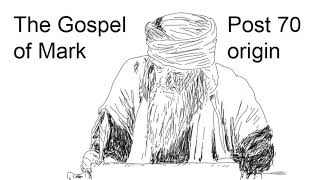
Evolution of Jesus Christ: Gospel of Mark - Mike Lawrence (NotoriUK) 5/6
003003
142
465 views
14:50
465
1549213440
1787344709
Gospel of Luke. Says who? (Comedy Anime)
000890
143
 39:55
39:55
903
1549300283
1787345803
In Matthew 4:23, Jesus preached the gospel to the people. Can Matthew be the same gospel? - Mansur Ahmed vs American
002395
144
 15:46
15:46
669
1549453759
1787344040
Is Mark's Gospel based on writings of Philo of Alexandria?
000946
145
 28:25
28:25
1826
1551147264
1787430456
In Quran 5:47, God tells Christians to judge by 'corrupted' Gospels? - Mohammed Hijab vs Christian 1/2
001705
146
 17:30
17:30
1416
1551147262
1787501487
In Quran 5:47, God tells Christians to judge by 'corrupted' Gospels? - Mohammed Hijab vs Christian 2/2
001050
147
 20:00
20:00
665
1552481426
1787367357
Dating Mark's Gospel is not straightforward - Fishers Evidence
001200
148
1176 views
28:25
1176
1552936964
1787509646
Mark's Gospel has longer ending. Depends which manuscript you use? - Mansur Ahmad vs Christian
001705
149
 12:38
12:38
1103
1554229238
1787452209
Greek philosophy, John's gospel and Philo of Alexandria were merged at Council of Nicaea in 325 AD - William Lane Craig & approvedofGod
000758
150
 12:24
12:24
655
1554229253
1787360240
Was Mark's Gospel copied from Josephus 'War of the Jews' after 75 AD? - Fishers Evidence
000744
151
 1:44
1:44
644
1558442754
1787506155
Some Bible scholars believe Matthew did not write Matthew's gospel - Frank Turek
000104
152
 1:09:33
732
1558813157
1787456376
Mark's Gospel, a collection of copied: Quotes, Parables, Imitation, Prophecy and Literary devices - PineCreek
004173
153
 3:55
3:55
704
1559259700
1787480551
Jesus became the Passover Lamb in John's Gospel, not Mark, Matthew or Luke - Tovia Singer
000235
154
 4:58
4:58
484
1559689740
1787229454
Bible Contradictions: 4 Reasons why Gospels Disagree
000298
155
 10:34
10:34
848
1562101178
1787437093
In John 8, the Adulteress Woman was added to John's Gospel - Hamza Myatt vs Lady JW
000634
156
 7:48
7:48
893
1563891752
1787260040
In 367 AD, Athanasius decreed the 27 New Testament books. The Nag Hammadi Gnostic gospels declared illegal | ReligionForBreakfast
000468
157
 1:47
1:47
566
1566370305
1787429283
The Gospels do not explicitly claim Jesus is coming back - Robert Price
000107
158
 1:31
1:31
1094
1566862438
1787289733
Christianity is primarily based on Gospel of John - Kegan Chandler
000091
159
1004 views
2:28
1004
1566862429
1787431383
John's Gospel is different from Mark, Matthew and Luke due to emerging Gnostic ideas - Kegan Chandler
000148
160
1:58
979
1566862421
1787380288
2nd century Christians questioned John's Gospel due to Gnosticism - Kegan Chandler
000118
161
1:49
800
1566862396
1787437168
John's Gospel is anti-Gnostic. Jesus is made more human-like - Kegan Chandler
000109
162
1:04
691
1566862381
1786506917
Simon of Cyrene, bearer of Jesus' Cross, is absent from John's Gospel - Kegan Chandler
000064
163
1:01
828
1566862375
1787404102
John's Gospel wrote a 'multi-level' history to counter Gnostic views on Jesus - Kegan Chandler
000061
164
0:40
978
1566862369
1787344544
Irenaeus (130-202 AD): John's Gospel written to refute Gnosticism - Kegan Chandler
000040
165
2:13
903
1566862357
1787413929
Poemandres (Heremetic, Pagan text, c. 50 AD) bears striking textual similarities to John's Gospel - Kegan Chandler
000133
166
9:00
874
1566862352
1787428989
Evidence that John's Gospel used Poemandres (Hermetic, Pagan, c. 50 AD) as a Source - Kegan Chandler
000540
167
2:58
706
1566862344
1787345027
Did John's Gospel 'accidentally' copy Hermetism from Poemandres? - Kegan Chandler
000178
168
10:06
1757
1566862339
1787426050
John's Gospel parallels Gnostic-Pagan-Hermetic ideas (dualism, oneness/son of God, trinity, Father etc.) to promote his Jewish-Christianity - Kegan Chandler
000606
169
2:10
1344
1566862333
1787490858
John's Gospel depicts 'the right' Jesus; against Judaism, Gnostic-Christianity and Hermetism - Kegan Chandler
000130
170
 2:03
2:03
780
1568332784
1787421755
Four Gospel Icons: Bull, Lion, Man & Eagle originate in the 'Solar Zodiac' Astrotheology: Taurus, Aquarius, Leo & Scorpio - Robert Sullivan IV
000123
171
 5:55
5:55
817
1570022217
1787262908
Mark's Gospel is a Hero biography, written in a 'fiction-like' Third-Person style - TruthSurge
000355
172
 15:06
15:06
468
1570022242
1787344743
Homer's Odyssey (800 BC, Greek myth) parallels Jesus in Mark's Gospel (70 AD) - TruthSurge 1/4
000906
173
 12:10
12:10
778
1570022253
1787345224
Homer's Odyssey (800 BC, Greek myth) parallels Jesus in Mark's Gospel (70 AD) - TruthSurge 2/4
000730
174
 8:40
8:40
640
1570022263
1787476346
Homer's Odyssey (800 BC, Greek myth) parallels Jesus in Mark's Gospel (70 AD) - TruthSurge 3/4
000520
175
 10:58
10:58
728
1570022277
1787434412
Homer's Odyssey (800 BC, Greek myth) parallels Jesus in Mark's Gospel (70 AD) - TruthSurge 4/4
000658
176
 14:59
14:59
563
1570022293
1787507068
Mark's Gospel casts James & John, Jesus' disciples from Castor & Polydeuces, brothers in Greek mythology - TruthSurge
000899
177
 3:55
3:55
482
1570022306
1787345689
Homer's Odysseus (800 BC, Greek myth), a skilled Craftsman ('tekton') parallels Jesus the Carpenter in Mark's Gospel (70 AD) - TruthSurge
000235
178
 12:08
12:08
738
1570024765
1787451998
Gospel of Mark: 29% Reliability Score against 'US Federal Rules' - TruthSurge
000728
179
 11:22
11:22
811
1570024754
1787345313
Gospel of Matthew: 29% Reliability Score against 'US Federal Rules' - TruthSurge 1/2
000682
180
 8:44
8:44
654
1570024733
1787514939
Gospel of Matthew: 29% Reliability Score against 'US Federal Rules' - TruthSurge 2/2
000524
181
 2:28
2:28
652
1570025482
1787494107
Celsus, a Greek philosopher in 177 AD wrote against Jesus using Gospel sources - TruthSurge
000148
182
 8:41
8:41
587
1570025788
1787056699
Gospel of Luke: 14% Reliability Score against 'US Federal Rules' - TruthSurge
000521
183
2:41
639
1570025798
1787493672
Gospel of John: 29% Reliability Score against 'US Federal Rules' - TruthSurge 1/3
000161
184
 17:14
17:14
599
1570025811
1787452916
Gospel of John: 29% Reliability Score against 'US Federal Rules' - TruthSurge 2/3
001034
185
 8:57
8:57
777
1570025819
1787418254
Gospel of John: 29% Reliability Score against 'US Federal Rules' - TruthSurge 3/3
000537
186
5:16
668
1570025830
1787345583
Jesus' Resurrection: Gospel Contradictions - TruthSurge 1/2
000316
187
 14:30
14:30
1013
1570025840
1787345020
Jesus' Resurrection: Gospel Contradictions - TruthSurge 2/2
000870
188
 1:58
1:58
503
1570625370
1787311809
No historical records exist for Jesus, except for Gospels - Robert Eisenman
000118
189
5:18
832
1570625335
1787409855
Gospels are 'Hellenized fictional' Roman Literature, not accurate Historical documents - Robert Eisenman
000318
190
 4:25
4:25
707
1570804850
1787518770
Jesus of Gospels: Mark, Matthew, Luke & John was a Jew - Adele Reinhartz
000265
191
7:43
542
1570804863
1787306587
John's Gospel presents high Christology, and an ambiguous 'divine' Jewish Jesus - Adele Reinhartz
000463
192
5:04
718
1570804882
1787311524
John's Gospel was written for Gentiles, not Jews who denied Jesus' divinity - Adele Reinhartz
000304
193
 4:02
4:02
871
1571010236
1786526536
Apostle Paul met Jesus in Spiritual visions. Later, Gospel authors transitioned to Physical encounters - Richard Carrier
000242
194
3:30
1021
1571010245
1787301415
Gospels of Mark, Matthew, Luke, John disagreed over Torah, Jewish Law & Gentiles - Richard Carrier
000210
195
 1:21
1:21
808
1572279402
1787344185
Matthew and Luke copied from Gospel of Mark - Bart Ehrman
000081
196
3:26
914
1572279411
1787442670
Gospel Authors of Luke and Acts are Anonymous and Unknown - Bart Ehrman
000206
197
1:30
938
1572279392
1787420520
Gospel authors shifted their Stories to fit their Christian Theological beliefs - Bart Ehrman
000090
198
3:46
617
1572279380
1787404136
Jesus became Divine, and 'more God-like' in John's Gospel - Bart Ehrman
000226
199
1:29:01
649
1572279488
1787435713
Are the Gospels historically reliable? - Bart Ehrman vs Peter J Williams
005341
200
 31:02
31:02
1028
1574038890
1787264716
In Christianity, Jesus spoke of Muhammad in a 'Secret' Gospel - Mansur Ahmad vs Yatzik 1/2
001862
201
 14:20
14:20
1069
1574038894
1787280846
In Christianity, Jesus spoke of Muhammad in a 'Secret' Gospel - Mansur Ahmad vs Yatzik 2/2
000860
202
 1:11:59
751
1664839942
1787431643
No Arabic Bible? Syriac connected Early Muslims to Gospels - Emran El-Badawi / Gabriel Reynolds
004319
203
 15:08
15:08
216
1771431189
1787511547
Jesus is GOD in Gospel of John only? | Robert Price | MythVision
000908
204
 1:01:51
220
1776163923
1787344309
Gospel of John - Jesus 2.0 with NEW Ideas and Themes | Hugo Mendez | History Valley
003711
205
 21:31
21:31
88
1777514383
1787198532
What the Gospels Reveal of Jesus | Peter Bolland
001291
206
 25:50
25:50
85
1777514093
1785896331
The Gospel of Thomas on Jesus' Teachings | Peter Bolland
001550
207
 11:27
11:27
73
1785160292
1787428389
Was Jesus Born of a Virgin? The Earliest Gospel Say Otherwise | Elaine Pagels | MythVision
000687
208
 30:03
30:03
61
1785545103
1787518249
The Original Jesus Was Hidden in Gospel of Mark | Bart Ehrman on MythVision
001803
209
Topics include Gospel (5)
What is Gospel?
Gospel is the Old English translation of Greek evangelion, meaning "good news". It originally meant the Christian message itself, but in the 2nd century it came to be used for the books in which the message was set out. The four gospels of the New Testament: Matthew, Mark, Luke and John are the
main source of information on the life of Jesus. |
What is Gospel John? Gospel According to John, or John is the fourth of the canonical gospels. The work is anonymous, although it identifies an unnamed "disciple whom Jesus loved" as the source of its traditions. It is closely related in style and content to the three Johannine epistles, and most scholars treat the four
books, along with Book of Revelation, as a single corpus of Johannine literature, albeit not from the same author. John seems to be concerned with issues of the church-synagogue debate at the time of composition. In John, the community appears to define itself primarily in contrast to Judaism, rather than as part of a wider Christian community. Though Christianity started as a movement within Judaism, it gradually separated from Judaism because of mutual opposition between the two religions. |
What is Gospel Matthew?
Gospel According to Matthew, or Matthew is the first book of the New Testament and one of the three synoptic gospels. It tell how the Messiah, Jesus, rejected by Israel, finally sends the disciples to preach the gospel to the whole world. Most scholars believe it was composed between AD 80-90 AD
The anonymous author was probably a male Jew, standing on the margin between traditional and non-traditional Jewish values, and familiar with technical legal aspects of scripture being debated in his time. |
What is Gospel Luke?
Gospel According to Luke, or Luke is the third of the four canonical Gospels. It tells of the origins, birth, ministry, atonement, death, resurrection, and ascension of Jesus Christ. Luke is the longest of the four gospels and the longest book in the New Testament; together with Acts of the Apostles
it makes up a two-volume work from the same author, called Luke-Acts. The cornerstone of Luke-Acts' theology is "salvation history", the author's understanding that God's purpose is seen in the way he has acted, and will continue to act, in history. Luke-Acts does not name its author. According to Church tradition this was Luke the Evangelist, the companion of Paul, but while this view is still occasionally put forward the scholarly consensus emphasises the many contradictions between Acts and the authentic Pauline letters. The most probable date for its composition is around 80-110 AD, and there is evidence that it was still being revised well into the 2nd century. |
What is Gospel Mark?
Gospel According to Mark, or Mark is one of the four canonical gospels and one of the three synoptic gospels. It tells of the ministry of Jesus from his baptism by John the Baptist to his death and burial and the discovery of the empty tomb - there is no genealogy of Jesus or birth narrative, nor
in the original ending at chapter 16, any post-resurrection appearances. It portrays Jesus as a heroic man of action, an exorcist, a healer, and a miracle worker. Jesus is also the Son of God, but he keeps his identity secret concealing it in parables so that even the disciples fail to understand. Mark probably dates from 66-70 AD. Most scholars now regard it as the earliest written gospel. They also reject the tradition which ascribes it to John Mark, the companion of the apostle Peter, and regard it as the work of an unknown author working with various sources including collections of miracle stories, controversy stories, parables, and a passion narrative. |
News on Gospel (4)
Articles on Gospel (3)
| 1.Bible - Errors in Marks Gospel
|
2.Quran refers to Torah & Gospel

|
3.Bible - Scholars on John's Gospel
|