143 views
·
Last viewed: 2 days ago
Uploaded: 07 Sep 2025 (1 year ago) · Shared: 15 Apr 2026
Duration: 27:49
Uploaded: 07 Sep 2025 (1 year ago) · Shared: 15 Apr 2026
Duration: 27:49
Youtube Description
Explore the latest discussion on whether mRNA vaccines could play a role in cancer progression. In this video, we break down the current evidence andscientific theories, looking at how spike protein and exosomes may interact with cancer cells. You’ll learn about the biological mechanisms being debated, why researchers are divided, and what this might mean for cancer outcomes in the future. Stay informed with a clear, balanced analysis of this emerging and important topic.
========================================================
When HIVICRON Arrives: Predicting the Next Phase of the COVID Storm
Thursday 11th September at 7PM UK time
https://www.eventbrite.co.uk/e/1664968328089?aff=oddtdtcreator
========================================================
FREE Humming Heroes Ebook
https://vejonhealth.com/humming-heroes-free-ebook/
========================================================
COVID’s Hidden Time Bomb: Rapid Arterial Aging
https://vejonhealth.learnworlds.com/course/covid-rapid-arterial-aging
========================================================
========================================================
ROOT Spike Detox Protocol – Clearing the Hidden Threat
Join our Course here:
https://vejonhealth.learnworlds.com/course/root-spike-detox-protocol
========================================================
You can also find us Here:
Substack - COVID-19: https://philipmcmillan.substack.com/
Videos: https://mcmillanresearch.com/media/
Courses: https://vejonhealth.learnworlds.com/home
Rumble: https://rumble.com/user/vejonhealth
Substack - Long Covid: https://drphilipmcmillan.substack.com/
#covid #medicine #research
Explore More
Vejon Health Vaccine mRNASearch Google Search Explore Topics
 Who are Vejon Health?
At Vejon Health, we want to improve the resilience, understanding, and management of complex diseases by identifying the primary cause of diseases. MISSION - To improve the understanding and management of complex diseases. VISION - To be a leader in innovative medical research. STRATEGY - To use the latest research technology to identify the primary pathophysiology associated with diseases.
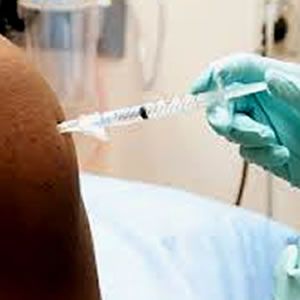 What is Vaccine?
A vaccine is a biological preparation that provides active acquired immunity to a particular infectious disease. A vaccine typically contains an agent that resembles a disease-causing microorganism and is often made from weakened or killed forms of the microbe, its toxins, or one of its surface proteins. The agent stimulates the body's immune system to recognize the agent as a threat, destroy it, and to further recognize and destroy any of the microorganisms associated with that agent that it may encounter in the future. The administration of vaccines is called vaccination. Vaccination is the most effective method of preventing infectious diseases; widespread immunity due to vaccination is largely responsible for the worldwide eradication of smallpox and the restriction of diseases such as polio, measles, and tetanus from much of the world.
 What is mRNA?
mRNA or messenger RNA, in molecular biology is a single-stranded molecule of RNA that corresponds to the genetic sequence of a gene, and is read by a ribosome in the process of synthesizing a protein. During transcription, RNA polymerase makes a copy of a gene from the DNA to mRNA as needed. This process is slightly different in eukaryotes and prokaryotes, including that prokaryotic RNA polymerase associates with DNA-processing enzymes during transcription so that processing can proceed during transcription. As in DNA, genetic information in mRNA is contained in the sequence of nucleotides, which are arranged into codons consisting of three base pairs each. Each codon codes for a specific amino acid, except the stop codons, which terminate protein synthesis. The translation of codons into amino acids requires two other types of RNA: transfer RNA, which recognizes the codon and provides the corresponding amino acid, and ribosomal RNA (rRNA), the central component of the ribosome's protein-manufacturing machinery.