523 views
·
Last viewed: 3 weeks ago
Uploaded: 11 Jun 2020 (6 years ago) · Shared: 02 Dec 2020
Duration: 3:11
Uploaded: 11 Jun 2020 (6 years ago) · Shared: 02 Dec 2020
Duration: 3:11
Youtube Description
Gita Gopinath, Sharan Burrows, and Jennifer Morgan give some ideas about how the world can change in response to the COVID-19 pandemic. The WorldEconomic Forum is the International Organization for Public-Private Cooperation. The Forum engages the foremost political, business, cultural and other leaders of society to shape global, regional and industry agendas. We believe that progress happens by bringing together people from all walks of life who have the drive and the influence to make positive change.
World Economic Forum Website ► http://www.weforum.org/
Facebook ► https://www.facebook.com/worldeconomicforum/
YouTube ► https://www.youtube.com/wef
Instagram ► https://www.instagram.com/worldeconomicforum/
Twitter ► https://twitter.com/wef
LinkedIn ► https://www.linkedin.com/company/world-economic-forum
TikTok ► https://www.tiktok.com/@worldeconomicforum
Flipboard ► https://flipboard.com/@WEF
#WorldEconomicForum #Davos
Explore More
World Economic Forum Coronavirus CapitalismSearch Google Search Explore Topics
 Who are World Economic Forum?
The World Economic Forum (WEF), based in Cologny-Geneva, Switzerland, is an NGO, founded in 1971. The WEF's mission is cited as "committed to improving the state of the world by engaging business, political, academic, and other leaders of society to shape global, regional, and industry agendas". It is a membership-based organization, and membership is made up of the world's largest corporations. The WEF hosts an annual meeting at the end of January in Davos, a mountain resort in Graubunden, in the eastern Alps region of Switzerland. The meeting brings together some 3,000 business leaders, international political leaders, economists, celebrities and journalists for up to five days to discuss global issues, across 500 public and private sessions.
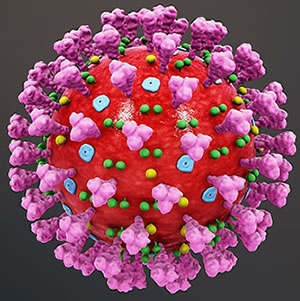 What is Coronavirus?
Coronaviruses are a group of viruses that cause diseases in mammals and birds. In humans, coronaviruses cause respiratory tract infections that are typically mild, such as the common cold, though rarer forms such as SARS, MERS, and COVID-19 can be lethal. Symptoms vary in other species: in chickens, they cause an upper respiratory tract disease, while in cows and pigs they cause diarrhea. There are yet to be vaccines or antiviral drugs to prevent or treat human coronavirus infections.
 Who is Capitalism?
Capitalism is an economic system based on the private ownership of the means of production and their operation for profit. Central characteristics of capitalism include capital accumulation, competitive markets, a price system, private property and the recognition of property rights, voluntary exchange and wage labor. In a capitalist market economy, decision-making and investments are determined by every owner of wealth, property or production ability in capital and financial markets whereas prices and the distribution of goods and services are mainly determined by competition in goods and services markets.