566 views
·
Last viewed: 3 days ago
Uploaded: 05 Aug 2020 (6 years ago) · Shared: 01 Sep 2020
Duration: 13:22
Uploaded: 05 Aug 2020 (6 years ago) · Shared: 01 Sep 2020
Duration: 13:22
Youtube Description
Testing is the way many believe we will get to grips with Covid-19 and the government is making big decisions based on the data they produce. But howaccurate are the tests? Subscribe to our channel here: https://goo.gl/31Q53F
Testing for coronavirus is critical to our understanding of how widely the virus has spread and the data informs decisions on whether to tighten or ease lockdown measures. But are the tests for coronavirus fit for purpose?
Concerns have been raised about the tests’ accuracy. Some clinicians are worried that the tests are over-sensitive and could be picking up on the presence of virus fragments which are old or not actually infectious.
Health Correspondent Deb Cohen reports.
Kirsty Wark is joined by the World Health Organization’s special Covid-19 envoy Dr David Nabarro and ICU Consultant Dr Ron Daniels.
#BBC #Coronavirus #Newsnight
Newsnight is the BBC's flagship news and current affairs TV programme - with analysis, debate, exclusives, and robust interviews.
Website: https://www.bbc.co.uk/newsnight
Twitter: https://twitter.com/BBCNewsnight
Facebook: https://www.facebook.com/bbcnewsnight
Explore More
Coronavirus BBC News PCR TestSearch Google Search Explore Topics
 What is Coronavirus?
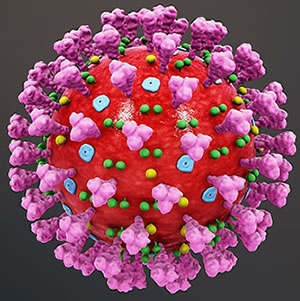
Coronaviruses are a group of viruses that cause diseases in mammals and birds. In humans, coronaviruses cause respiratory tract infections that are typically mild, such as the common cold, though rarer forms such as SARS, MERS, and COVID-19 can be lethal. Symptoms vary in other species: in chickens, they cause an upper respiratory tract disease, while in cows and pigs they cause diarrhea. There are yet to be vaccines or antiviral drugs to prevent or treat human coronavirus infections.
 Who are the BBC News?
The British Broadcasting Corporation (BBC) is a British public service broadcaster. Its headquarters are at Broadcasting House in Westminster, London and it is the world's oldest national broadcasting organisation and the largest broadcaster in the world by number of employees. It employs over 20,950 staff in total.
 What is PCR Test?
RT-PCR tests to detect severe acute respiratory syndrome coronavirus 2 (SARS-CoV-2) RNA are the operational gold standard for detecting COVID-19 disease in clinical practice. Reverse transcription polymerase chain reaction (RT-PCR) is a laboratory technique combining reverse transcription of RNA into DNA (in this context called complementary DNA or cDNA) and amplification of specific DNA targets using polymerase chain reaction (PCR).It is primarily used to measure the amount of a specific RNA. This is achieved by monitoring the amplification reaction using fluorescence, a technique called real-time PCR or quantitative PCR (qPCR). Combined RT-PCR and qPCR are routinely used for analysis of gene expression and quantification of viral RNA in research and clinical settings.