Youtube Description:
Charles Hedrick (born 11 April 1934) is a distinguished Professor Emeritus at Missouri State University whose research interests include Christian Origins, Jesus of Nazareth, New Testament Introduction, Parables, Gnosticism etc. He has written books in the areas of Gospels, Nag Hammadi, Gnosticism, the Graeco-Roman world and related topics.
Link to Charles Hedrick videos:
Link to the original video:
DISCLAIMER
We do NOT own the video materials and all credits belong to the respectful owners. In case of copyright issues, please contact us immediately for further credits or clip delete.
COPYRIGHT
Under Section 107 of the Copyright Act 1976, allowance is made for 'fair use' for purposes such as criticism, comment, news reporting, teaching, scholarship and research. Fair use is a use permitted by copyright statute that might otherwise be infringing. Non-profit, educational or personal use tips the balance in favour of fair use.
Charles Hedrick (born 11 April 1934) is a distinguished Professor Emeritus at Missouri State University whose research interests include Christian Origins, Jesus of Nazareth, New Testament Introduction, Parables, Gnosticism etc. He has written books in the areas of Gospels, Nag Hammadi, Gnosticism, the Graeco-Roman world and related topics.
Link to Charles Hedrick videos:
Link to the original video:
DISCLAIMER
We do NOT own the video materials and all credits belong to the respectful owners. In case of copyright issues, please contact us immediately for further credits or clip delete.
COPYRIGHT
Under Section 107 of the Copyright Act 1976, allowance is made for 'fair use' for purposes such as criticism, comment, news reporting, teaching, scholarship and research. Fair use is a use permitted by copyright statute that might otherwise be infringing. Non-profit, educational or personal use tips the balance in favour of fair use.
Explore More
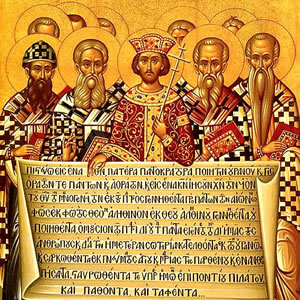 What was the Council of Nicaea?
The First Council of Nicaea was a council of Christian bishops convened in the Bithynian city of Nicaea (now ?znik, Bursa province, Turkey) by the Roman Emperor Constantine I in 325 AD. Its main accomplishments were settlement of the Christological
issue of the divine nature of God the Son and his relationship to God the Father, the construction of the first part of the Nicene Creed, establishing uniform observance of the date of Easter, and promulgation of early canon law.
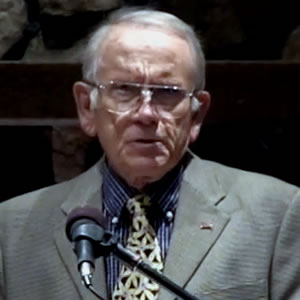 Who is Charles Hedrick?
Charles Hedrick (born 1934) is a distinguished Professor Emeritus at Missouri State University. Hedrick's research interests include Christian Origins, Jesus of Nazareth, New Testament Introduction, Parables, Gnosticism etc. He has written books in
the areas of Gospels, Nag Hammadi, Gnosticism, the Graeco-Roman world and related topics.
 What is Gospel?
Gospel is the Old English translation of Greek evangelion, meaning "good news". It originally meant the Christian message itself, but in the 2nd century it came to be used for the books in which the message was set out. The four gospels of the New
Testament: Matthew, Mark, Luke and John are the main source of information on the life of Jesus.