Uploaded: 04 Apr 2012 (15 years ago) · Shared: 29 Sep 2017
Duration: 45:50
Video Description
In this insightful lecture from Yale University, Professor Paul Freedman explores the rich evolution of Christian monasticism during the Early Middle Ages. Discover how a movement originally rooted in total world renunciation and solitary isolation transformed into a structured, communal way of life that profoundly shaped European civilization. Freedman highlights the fascinating paradoxes of "devoted living," tracing the spiritual journey from the desert hermits of Egypt and Syria to the organized communities established under the Rule of St. Benedict.
Learn how early monastic vows centered on prayer and physical labor unexpectedly fostered a culture of reading, intellectual scholarship, and manuscript preservation. This historical deep dive illuminates a critical chapter in early Christian history, revealing how radical faith and asceticism laid the groundwork for Western education and Church tradition. Perfect for history enthusiasts, this presentation offers an engaging look at spiritual devotion and its enduring cultural legacy.
Explore More
Paul Freedman RomanSearch Google Search Explore Topics
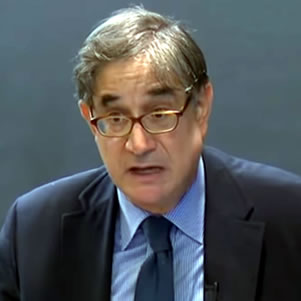 Who is Paul Freedman?
Paul Freedman is the Chester D Tripp Professor of History at Yale University. He specializes in medieval social history, the history of Spain, the study of medieval peasantry, and medieval cuisine.
 What is Roman?
In historiography, ancient Rome is Roman civilization. From the founding of the city of Rome in the 8th century BC to the collapse of the Western Roman Empire in the 5th century AD, encompassing the Roman Kingdom, Roman Republic and Roman Empire until the fall of the western empire. The civilization began as an Italic settlement in the Italian peninsula, dating from the 8th century BC, that grew into the city of Rome and which subsequently gave its name to the empire over which it ruled and to the widespread civilisation the empire developed. The Roman empire expanded to become one of the largest empires in the ancient world, though still ruled from the city, with an estimated 50 to 90 million inhabitants (roughly 20% of the world's population) and covering 5.0 million square kilometres at its height in AD 117.