704 views
·
Last viewed: 24 hrs ago
Uploaded: 26 Sep 2018 (8 years ago) · Shared: 09 Oct 2019
doctrines about Jesus, James, Paul, the expected Messiah, and prophesied apocalypse.Dr. Eisneman is a key player in getting information out to the public about the content and context of the Dead Sea Scrolls writers, and the community of Messianic followers and Zealots for YHWH (God). These were the priests that were overthrown during the Hellenisation of Judea. Details are deep and the relevance is critical to our understanding of what went on with the communities that were active during the time of the Messiah Jesus, the disciples (Zealots) and Paul. Finally how we got the gospels and new testament writings after the dust settled.
Uploaded: 26 Sep 2018 (8 years ago) · Shared: 09 Oct 2019
Video Description (from Youtube)
In-depth interview with Dr. Robert Eisneman 2018. Dr. Eisenman is asked detailed questions and provides direct responses to historical events and groups that have been misrepresented by mainstreamdoctrines about Jesus, James, Paul, the expected Messiah, and prophesied apocalypse.Dr. Eisneman is a key player in getting information out to the public about the content and context of the Dead Sea Scrolls writers, and the community of Messianic followers and Zealots for YHWH (God). These were the priests that were overthrown during the Hellenisation of Judea. Details are deep and the relevance is critical to our understanding of what went on with the communities that were active during the time of the Messiah Jesus, the disciples (Zealots) and Paul. Finally how we got the gospels and new testament writings after the dust settled.
Search Results on 'Apostle Paul is from the ruling Roman Herodian dynasty - Robert Eisenman'
SCROLL TO :TOPICS | 4NEWS | 10ARTICLES | 7FAQ | 37VIDEO | 242LINKS | 10TOPICS #APOSTLE PAUL ROBERT EISENMAN ROMAN
Topics include Apostle Paul, Robert Eisenman, Roman (4)
Who was Apostle Paul? Paul the Apostle (Latin: Paulus), commonly known as Saint Paul and also known by his Jewish name Saul of Tarsus was an apostle (though not one of the Twelve Apostles) who taught the gospel of Christ to the first century world. Paul is generally considered one of the most important figures of the
Apostolic Age and in the mid-30s to the mid-50s AD he founded several churches in Asia Minor and Europe. He took advantage of his status as both a Jew and a Roman citizen to minister to both Jewish and Roman audiences. According to writings in the New Testament and prior to his conversion, Paul was dedicated to persecuting the early disciples of Jesus in the area of Jerusalem. In Acts, Paul was traveling on the road from Jerusalem to Damascus on a mission to 'arrest them and bring them back to Jerusalem' when the resurrected Jesus appeared to him in a great light. He was struck blind, but after three days his sight was restored by Ananias of Damascus and Paul began to preach that Jesus of Nazareth is the Jewish Messiah and the Son of God. |
Who is Robert Eisenman?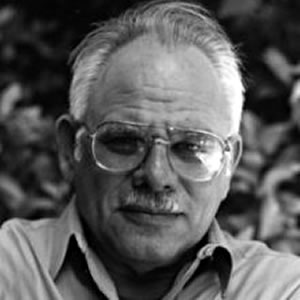 Robert Eisenman (born 1937) is an American biblical scholar, theoretical writer, historian, archaeologist, and "road" poet. He is currently professor of Middle East religions, archaeology, and Islamic law and director of the Institute for the Study of Judaeo-Christian Origins at California State
University Long Beach. Eisenman is professor of Middle East religions, archaeology, and Islamic law and the director of the Institute for the Study of Judeo-Christian and Islamic Origins at California State University Long Beach. He is also a visiting senior member of Linacre College, Oxford University, and was a National Endowment for the Humanities fellow at the Albright Institute of Archaeological Research (American Schools of Oriental Research) in Jerusalem. |
What is Roman? In historiography, ancient Rome is Roman civilization. From the founding of the city of Rome in the 8th century BC to the collapse of the Western Roman Empire in the 5th century AD, encompassing the Roman Kingdom, Roman Republic and Roman Empire until the fall of the western empire. The civilization
began as an Italic settlement in the Italian peninsula, dating from the 8th century BC, that grew into the city of Rome and which subsequently gave its name to the empire over which it ruled and to the widespread civilisation the empire developed. The Roman empire expanded to become one of the largest empires in the ancient world, though still ruled from the city, with an estimated 50 to 90 million inhabitants (roughly 20% of the world's population) and covering 5.0 million square kilometres at its height in AD 117. |
What is Greco-Roman? The Greco-Roman world, also Greco-Roman civilization, Greco-Roman culture or Greco-Latin culture is the term used by modern scholars and writers to describe the geographical regions and countries. The regions that were culturally, and so historically, directly and intimately influenced by the
language, culture, government, and religion of the ancient Greeks and Romans. The term "classical antiquity" is used for describing the time period when the Greco-Roman culture exerted its greatest influence and dominance on the European continent. Specifically, the term "Mediterranean world" refers to the extensive tracts of land centered on the Mediterranean and Black Sea basins which are considered the "swimming pool and spa" of the Greeks and the Romans. In these regions, the cultural perceptions, ideas, and sensitivities of these peoples became dominant in classical antiquity. |
News on Apostle Paul, Robert Eisenman, Roman (10)
Articles on Apostle Paul, Robert Eisenman, Roman (7)
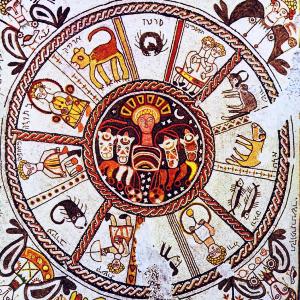
Roman Calendar
22,608 views
|
Roman Empire

1,893 views
|
| Roman Christianity
1,922 views
|
Book Burnings in Roman, Catholic and Protestant society

25,628 views
|
| Timeline of Roman Empire
20,560 views
|
Gods & Roman Emperors

18,969 views
|
Roman Emperors in Bible

18,090 views
|
FAQ on Apostle Paul, Robert Eisenman, Roman (37)
Youtube Videos on Apostle Paul, Robert Eisenman, Roman (242)
 Why did
  82% of Bible written by
  Was
Was  Who do you follow:
 Caesar Messiah:
  What did
  How
How  Did
Did  Did
Did  The First Christians &
  In Deuteronomy 13:1-5, does God warn against Jesus and
  Dead Sea Scrolls are closer to Islam -
  How did
  If
If  Peter,
  Did
Did  Constantine and
  In 200 years, Christianity lost Jesus' Jewish teachings; adopting Greek and
 The
The  How
How  New Testament: Life of
  New Testament:
  New Testament:
  New Testament:
  New Testament: Disciples of
  New Testament: Arguments with
  New Testament: Pastoral Epistles of
  New Testament: Acts of
  New Testament:
 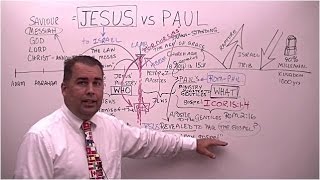 Jesus vs
  Faith and Works according to
 Flavian
 New Testament Authors by
  New Testament Authors by
  New Testament Authors by
 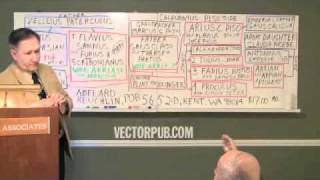 New Testament Authors by
 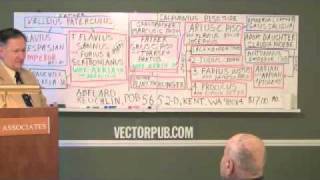 New Testament Authors by
  The Real
  Crusades:
  Historical
  Jesus' brother, James was leader of Early Church -
  Authorship of the Gospels,
 Who was
  Siege of Jerusalem and
  History of Ptolemy, Serapis and
  The Fake Teachings of
  In Philippians 3:8,
  Eclipsing Empire:
  Jesus the Teacher.
  Christianity opposed Rome Imperialism by adopting the titles Son of God, Lord and Savior, previously reserved for
 In 2 Timothy 3:16,
  Rome: Constantine & The Early
  Rome: Christian
  Rome: Transformation of the
 After Jesus, the Early Christians followed James. They Hated
  Christianity adopted Graeco-
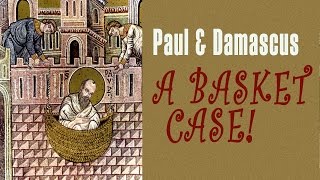 How Saul became
  In Romans 11:26,
  In Genesis 3:15 and Galatians 3:16,
  In 1 Timothy 2:5,
  In 48 BC,
  Jesus was not God according to Mark, Matthew, Luke and
 If Jesus existed, why did
  Secrets of the Dead Sea Scrolls of Qumran -
  In Mark 7:15 and Acts 10:13, Dietary Laws were changed by Jesus,
  In 1 Corinthians 16:2, did
  In 1 Corinthians 16:2, did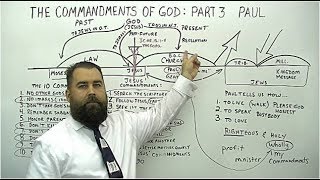
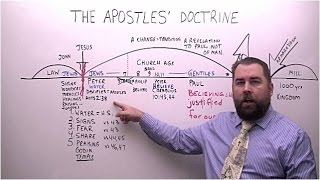
 Secret Societies - History of the
 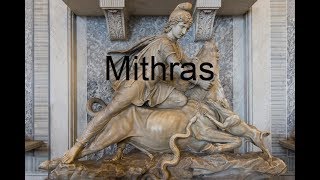 Jesus evolved from Mithras, the
  Jesus the Myth is found in
  Historical records of Jesus' trial and Crucifixion would have been destroyed/lost in the 66-70 AD Judea-
 Did
Did 
 What kind of Jew was
 Was Christianity influenced by Graeco-
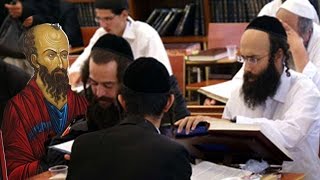
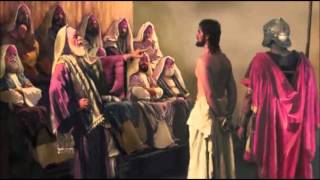 According to the New Testament, Jesus and
 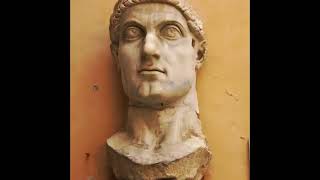 Constantine converted to Christianity. Yet remained a blood-thirsty, violent, intolerant
  In Hebrews,
 75% of New Testament Bible is fake. 50% of
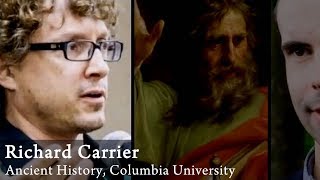 Luke, author of Acts copies and contradicts his travelling companion,
  'Christianity converts to Rome' by adopting
 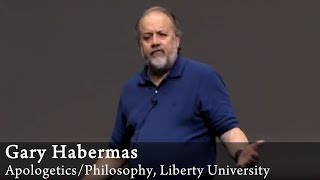 In 36 AD,
 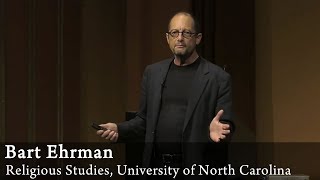 For
For 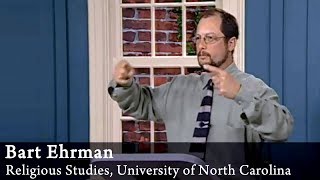
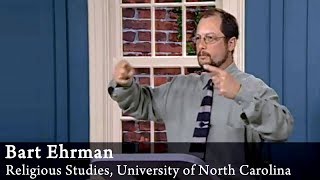
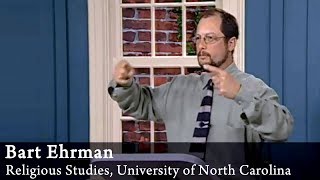
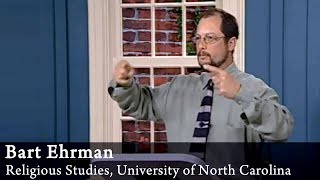 In Galatians,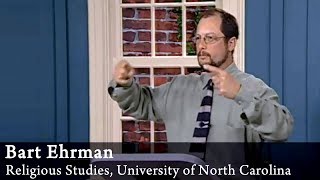
 Ancient
  Bible scholars agree 6 out of 13
 If
If 
 In Corinth,
  After
After 
 Take from the
  The four Gospels have anonymous authors, as did much Ancient Greek and
 In 1 Corinthians 9:9,

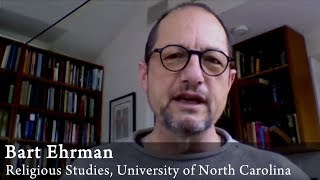
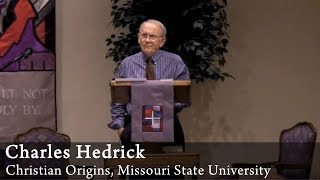
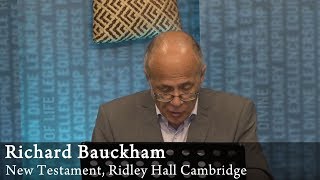 In 1 Corinthians (55 AD),
 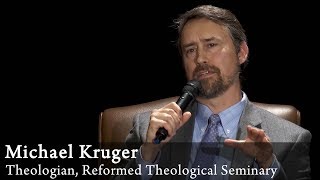 If a new
 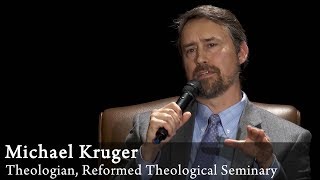 F.C Baur (d. 1860 AD) argued
  6 of 13
  6 of 13
 In 391 AD,
  Jesus' Resurrection: Deny the Historical Evidence and trust
 In Isaiah 53, Jesus was 'final' sacrifice. In Acts 21:26,
  In Isaiah 53, Jesus was 'final' sacrifice. In Acts 21:26,
  In Isaiah 53, Jesus was 'final' sacrifice. In Acts 21:26,
 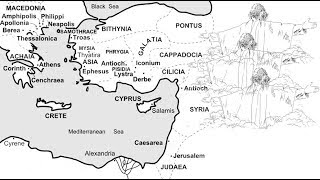 Evolution of Jesus Christ:
 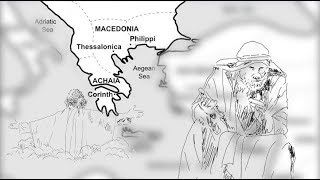 Evolution of Jesus Christ:
  Evolution of Jesus Christ:
  Idolatory is praying to Mary or Saints, as
  Discussion on Jesus,
  In Romans 15:20,
  In Romans 10:9,
  In Philippians 2:10, when
  In 1 Corinthians 8:6,
 In Galatians 2:16,
  History of The
  From Proverbs 8:22, Philo of Alexandria applied a 'feminine' Wisdom (Sophia) in support of
  In Council of Ephesus (431 AD),
  In Acts 15:13-35,
 In Acts 17:31,
  In Acts 17:31,
  In Hebrews 9:22,
  In Galatians 1:12 and 2 Corinthians 3:10,
 In 2 Peter 3:16,
  In 1 Corinthians 7:19,
  In 1 Corinthians 11:23,
  Josephus (37-100 AD): Aramaic was language of Jews in
  In 1 Corinthians 7:12,
  Council of Jerusalem (50 AD) charged
  On Jewish Law, Jesus was Liberal, but
  In Hebrews 9:22,
  For
For  Christianity is a Graeco-
 In Acts 21:21,
  In Acts 15:29, the first Ecumenical Council ever set early Christian Laws, which
  Suetonius (69-122 AD): Chrestus (Jesus) encouraged Jews to cause disturbance for
 Was
Was  In Romans 1:16,
  Virgin Births were common in pagan, Graeco-
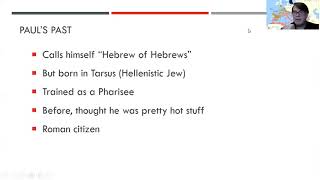 Life of
  Jesus and
 Was
Was  Tour of
  Did
Did 
 Planets named after Greek Gods by
  Pantheon,
  50 Reasons to reject
  Jesus Resurrection Written for Greco-
 Protestant Christians rely on
  Was
Was  Christianity adopted
  Why
Why  Julius Caesar the
 Did
Did  God is NOT a Man. Jesus,
 Sasanian and
 Did
Did  Did Ebionites, Early Christians reject
  The Early Teachings of
  DEBATE: Christianity emerged after the 70 AD Jewish-
 Jesus from a Greco-
 For
For  Did
Did  Tour of Ephesus, the City where
 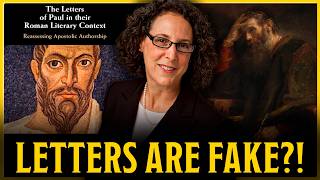 Did
Did  Early Christianity developed under
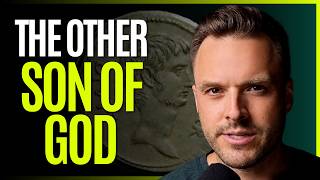 Origins of 'Son Of God' & 'Lord' from Pre-Jesus,
  Greatest Transformation of Saul of Tarsus to
  Was James the Leader of Christianity before Peter and
 Links on Apostle Paul, Robert Eisenman, Roman (10)
DISCLAIMER
All videos are shared for educational and information purposes only. All videos are hosted and viewable on Youtube servers. Video titles are generated using the original video title; overall content theme including actual dialogue and speech (Transcript); and A.I-based recommendations with a focus on SEO, keyword density, and internal search functions. The video title does not represent the views held by the Youtube video uploader, or any individual, organisation or business.
If you spot any mistake, omission or give feedback, kindly contact us with details
All videos are shared for educational and information purposes only. All videos are hosted and viewable on Youtube servers. Video titles are generated using the original video title; overall content theme including actual dialogue and speech (Transcript); and A.I-based recommendations with a focus on SEO, keyword density, and internal search functions. The video title does not represent the views held by the Youtube video uploader, or any individual, organisation or business.
If you spot any mistake, omission or give feedback, kindly contact us with details