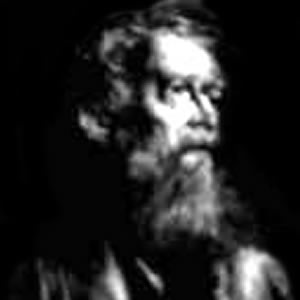
ENGLISH: Methuselah
HEBREW: Metushelach
ARAMAIC: Mathushlakh
ARABIC: Salih
AGE: 969 Years
BIRTH: 3317 BC
DEATH: 2348 BC
GENDER: Male
BORN IN: Iraq / Levant
LIVED IN: Iraq / Levant
DIED IN: Iraq / Levant
SCRIPTURE: Unknown
58,818 views
Last view: 3 hrs ago
HEBREW: Metushelach
ARAMAIC: Mathushlakh
ARABIC: Salih
AGE: 969 Years
BIRTH: 3317 BC
DEATH: 2348 BC
GENDER: Male
BORN IN: Iraq / Levant
LIVED IN: Iraq / Levant
DIED IN: Iraq / Levant
SCRIPTURE: Unknown
58,818 views
Last view: 3 hrs ago
Methuselah was a righteous pre-flood patriarch and a vital genealogical link in the direct line from Adam to Noah.
Born around 3317 BC in ancient Mesopotamia, he was the son of the prophet Enoch, who was miraculously taken to heaven. Methuselah grew up in an era when humanity was rapidly multiplying and falling into deep moral decay, yet he fiercely maintained the monotheistic traditions of his forefathers. He is universally famous for holding the longest recorded lifespan of any human being in world history, living through centuries of changing landscapes and rising civilizations. He fathered his son Lamech at age 187 and spent his remaining centuries guiding his massive family. Methuselah lived to the astonishing age of 969 years old and died in 2348 BC, passing away just weeks before the Great Flood cleansed the Earth.
Born around 3317 BC in ancient Mesopotamia, he was the son of the prophet Enoch, who was miraculously taken to heaven. Methuselah grew up in an era when humanity was rapidly multiplying and falling into deep moral decay, yet he fiercely maintained the monotheistic traditions of his forefathers. He is universally famous for holding the longest recorded lifespan of any human being in world history, living through centuries of changing landscapes and rising civilizations. He fathered his son Lamech at age 187 and spent his remaining centuries guiding his massive family. Methuselah lived to the astonishing age of 969 years old and died in 2348 BC, passing away just weeks before the Great Flood cleansed the Earth.
| INTRODUCTION |
| 1. Prophet Methuselah in Judaism, Christianity, and Islam |
| 2. Family Tree of Methuselah and His Relations to Abrahamic Prophets |
| HISTORICAL CONTEXT |
| 3. Describe the World and Society Methuselah Came Into |
| 4. Why Did God Send Methuselah? |
| KEY LIFE EVENTS |
| 5. Chronological Timeline of Methuselah's Life and Ministry |
| 6. Did Methuselah Perform Miracles? 1 miracles |
| GEOGRAPHY & EVIDENCE |
| 7. On Google Maps: Birth, Life, and Death Locations of Methuselah 4 locations |
| 8. Photograpic Evidence for Methuselah 4 photos / 0 albums |
| SCRIPTURE & NEWS |
| 9. Is Methuselah Mentioned in Current News Today? 5 news |
| 10. Frequently Asked Questions About Methuselah 9 faqs |
| EXPLORE FURTHER |
| 11. Revealed Scripture That Mention Methuselah 11 verse |
| 12. YouTube Videos to Learn More About Methuselah 4 videos |
Prophet Methuselah in Judaism, Christianity, and Islam
Judaism
Regarded as a righteous patriarch, the grandfather of Noah, and the longest-living person mentioned in the Hebrew Bible, but not explicitly as a prophet.
Christianity
He is revered as a historical patriarch whose long life is seen as a demonstration of God's patience before the Flood.
Islam
He is identified by the Arabic name Idris (often associated with the biblical Enoch) and is universally revered as an early prophet of God.
“
The oldest man to ever live, spanning nine hundred and sixty-nine years. His death heralded the arrival of the great flood.
”
Family Tree of Methuselah and His Relations to Abrahamic Prophets
Describe the World and Society Methuselah Came Into
The Environment
The rapidly developing, physically pristine early Earth during the long generations leading up to the Great Flood.The Society
An technologically advancing but spiritually decaying human population that built early cities completely detached from divine guidelines.The Social Climate
Overwhelmed by rampant violence, lawlessness, generational rebellion against God, and an escalating moral corruption that eventually triggered global divine judgment.
“
Extended physical life is a testament to immense divine patience, proving that longevity should be utilized to preserve sacred lineages and wisdom across generational transitions.
”
Why Did God Send Methuselah?
1. To delay the apocalypse and display God's long-suffering mercy
By granting Methuselah a life of 969 years - the longest recorded in history - God intentionally stretched out the time available for a corrupt pre-Flood society to witness righteousness and repent before facing destruction.GENESIS 5:27
QURAN 37:77
2. To serve as a living prophetic countdown for the Great Flood
Linguistic and chronological tracking reveals that his name roughly translates to "when he dies, it shall be sent"; Methuselah's lifespan acted as a literal hourglass, with his death occurring the exact same year the global waters came.GENESIS 5:25
QURAN 37:77
3. To secure the direct generational lineage of Noah
Methuselah was placed in history as a vital patriarchal link, serving as the son of the righteous Enoch (Idris), the father of Lamech, and the grandfather of Noah, thereby protecting the family line that survived the flood.LUKE 3:37
QURAN 37:77
Chronological Timeline of Methuselah's Life and Ministry
METHUSALEH - Year of Death: 2348 BC (Longest biblical life, dying at exactly 969 years old) | 2348 BC
METHUSELAH
3 of 3
2348 BC
METHUSELAH
3 of 3
2348 BC
Did Methuselah Perform Miracles?
- Unknown
On Google Maps: Birth, Life, and Death Locations of Methuselah | 4 locations
Born In :Southern Levant region (Specific city unknown), Israel / Palestine
Lived In :Southern Levant region, Israel / Palestine
Travelled To :Central Mesopotamian plains, Iraq / Pre-flood regional settlements, Israel / Palestine
Died In :Southern Levant region, Israel / Palestine (According to biblical chronology, he died the exact year the Great Flood began)
Lived In :Southern Levant region, Israel / Palestine
Travelled To :Central Mesopotamian plains, Iraq / Pre-flood regional settlements, Israel / Palestine
Died In :Southern Levant region, Israel / Palestine (According to biblical chronology, he died the exact year the Great Flood began)
Photographic Evidence for Methuselah | 4 photos
-
 Photo: Aziz1005 | Public domain1. Prophet Methuselah: Land of Eden Border (Traditional Mesopotamian Region / [...] ON MAP
 -
 Photo: W. Bulach | CC BY-SA 4.03. Prophet Methuselah: Mountains of Ararat (Agri Province, Turkey): Methuselah died in the [...] ON MAP
 -
 Photo: Bjørn Christian Tørrissen | CC BY-SA 3.04. Prophet Methuselah: An image of the fertile river basins in Upper Mesopotamia, where [...] ON MAP

Is Methuselah Mentioned in Current News Today? | 5 news
Frequently Asked Questions About Methuselah | 9 faqs
| Links to more content on Methuselah and other Prophets |
| Articles on Methuselah and other Prophets |
Revealed Scripture That Mention Methuselah | 11 texts
1.
And Enoch lived sixty and five years, and begat Methuselah
GENESIS 5:21
2.
And Enoch walked with God after he begat Methuselah three hundred years, and begat sons and daughters
GENESIS 5:22
3.
And Methuselah lived an hundred eighty and seven years, and begat Lamech
GENESIS 5:25
4.
And Methuselah lived after he begat Lamech seven hundred eighty and two years, and begat sons and daughters
GENESIS 5:26
5.
And all the days of Methuselah were nine hundred sixty and nine years and he died.
GENESIS 5:27
1.
And Enoch lived sixty and five years, and begat Methuselah
GENESIS 5:21
2.
And Enoch walked with God after he begat Methuselah three hundred years, and begat sons and daughters
GENESIS 5:22
3.
And Methuselah lived an hundred eighty and seven years, and begat Lamech
GENESIS 5:25
4.
And Methuselah lived after he begat Lamech seven hundred eighty and two years, and begat sons and daughters
GENESIS 5:26
5.
And all the days of Methuselah were nine hundred sixty and nine years and he died.
GENESIS 5:27
6.
Henoch, Methuselah, Lamech,
1 CHRONICLES 1:3
1.
1.
Chosen Lineages Above All Creation
|
Quran 3:33
2.
Humanity Addressed as Descendants of Ark Survivors
|
Quran 17:3
3.
Prophethood and Scripture Placed in Chosen Lineage
|
Quran 29:27
“
Preserved the sacred line of righteous antediluvian patriarchs while achieving the longest recorded lifespan in human history. His remarkably extended life symbolized an era of immense divine patience, bridging the world from Adam to the onset of the Great Flood.
”
YouTube Videos to Learn More About Methuselah | 4 videos
235 views
18:18
235
1420070400
1792251629
Destruction of Thamud
001098
1
61 views
23:51
61
1783341433
1792251441
Methuselah - Mystery of a man who lived 969 years
001431
2
56 views
23:59
56
1783341433
1791856444
Methuselah - The Oldest Man in The Bible
001439
3

68 views
3:49
68
1783341374
1792240452
Methuselah - The Oldest Man in the Bible
000229
4