Youtube Description:
Professor Shane Crotty, PhD answers a series of COVID 19 vaccine questions including what are the chances of long-term side effects? How safe is RNA vaccine (i.e. Pfizer / BioNTech and Moderna Vaccines) technology? How long does mRNA from a vaccine stay in our cells? What else goes in vaccines? How long does immunity last? Why are T-Cells so important? Why does Pfizer's vaccine need to stay SO cold?
Shane Crotty, PhD is a Professor at the La Jolla Institute for Immunology, Center for Infectious Disease and Vaccine Research, Crotty Lab. Professor Crotty also has an academic appointment with the University of California San Diago. See his full bio here:
Interviewer: Kyle Allred, Physician Assistant, Producer and Co-Founder of MedCram.com
Professor Crotty's recent research referenced in this video: Immunological memory to SARS-CoV-2 assessed for greater than six months after infection | Pre-print
New York Times article highlighting Prof. Shane Crotty's research:
00:00 Introducing Prof. Shane Crotty's Research
0:35 How long does COVID-19 'immune memory' last?
0:57 The three primary aspects of immune memory: antibodies, killer T cells, and helper T cells
2:25 The anatomy (protein makeup) of SARS-CoV-2
3:02 Why is spike protein the primary target?
5:17 Could a mutation allow SARS-CoV-2 to infect without spike protein?
7:02 Utilizing lipid nanoparticles to deliver mRNA and the role of RNA normally
9:52 What human cells does an RNA vaccine go into?
10:36 How long does mRNA from a vaccine stay in human cells?
11:44 What else goes in vaccines besides mRNA and lipid nanoparticles? Any preservatives or adjuvants?
12:30 Why are adjuvants used in many vaccines?
14:08 Protein production from mRNA
15:00 Why utilize the 'extra' step of mRNA to code for protein antigens?
17:28 Are mRNA vaccines the future of vaccine development?
19:18 Any chance for mRNA to enter our cells' nucleus?
20:55 The immune response to a coronavirus vaccine
23:17 Expected symptoms from immune response to a vaccine vs. vaccine side effects
25:50 Should people who've had COVID-19 get vaccinated?
27:27 Immunity from COVID vaccine vs. a natural infection
28:30 Why does the Pfizer vaccine need to be stored so cold?
29:04 What would you say to a family member who is nervous about a rushed vaccine and RNA technology?
32:37 What about the possibility of long term side effects from RNA vaccines?
33:30 What's next for Shane Crotty's research team?
(This video was recorded on December 16, 2020).
THE MEDCRAM WEBSITE:
Visit us for videos on over 60 medical topics and CME / CEs for medical professionals:
Get notified of new videos by hitting the bell icon!
PREVIOUS / RECENT MEDCRAM COVID-19 INTERVIEWS:
Vitamin D and COVID 19: The Evidence for Prevention and Treatment of Coronavirus (SARS CoV 2) with Professor Roger Seheult, MD
At Home COVID 19 Antigen Testing and Vaccine Update with Professor Michael Mina, MD
All coronavirus updates are at MedCram.com ad-free (including more videos on the Pfizer vaccine, Moderna vaccines, BioNTech vaccine, vaccine side effects, AstraZeneca Oxford coronavirus vaccine, side effects of COVID 19 vaccine, COVID 19 treatments, and more):
We offer over 60 medical topics (ECG Interpretation, DKA, influenza, measles, mechanical ventilation, etc.) on our website and CME for clinicians.
MEDCRAM WORKS WITH MEDICAL PROGRAMS AND HOSPITALS:
MEDIA CONTACT:
Media contact info:
Video Produced by Kyle Allred
FOLLOW US ON SOCIAL MEDIA:
DISCLAIMER:
MedCram medical videos are for medical education and exam preparation, and NOT intended to replace recommendations from your doctor.
#COVID19 #SARSCoV2 #Coronavaccine
Professor Shane Crotty, PhD answers a series of COVID 19 vaccine questions including what are the chances of long-term side effects? How safe is RNA vaccine (i.e. Pfizer / BioNTech and Moderna Vaccines) technology? How long does mRNA from a vaccine stay in our cells? What else goes in vaccines? How long does immunity last? Why are T-Cells so important? Why does Pfizer's vaccine need to stay SO cold?
Shane Crotty, PhD is a Professor at the La Jolla Institute for Immunology, Center for Infectious Disease and Vaccine Research, Crotty Lab. Professor Crotty also has an academic appointment with the University of California San Diago. See his full bio here:
Interviewer: Kyle Allred, Physician Assistant, Producer and Co-Founder of MedCram.com
Professor Crotty's recent research referenced in this video: Immunological memory to SARS-CoV-2 assessed for greater than six months after infection | Pre-print
New York Times article highlighting Prof. Shane Crotty's research:
00:00 Introducing Prof. Shane Crotty's Research
0:35 How long does COVID-19 'immune memory' last?
0:57 The three primary aspects of immune memory: antibodies, killer T cells, and helper T cells
2:25 The anatomy (protein makeup) of SARS-CoV-2
3:02 Why is spike protein the primary target?
5:17 Could a mutation allow SARS-CoV-2 to infect without spike protein?
7:02 Utilizing lipid nanoparticles to deliver mRNA and the role of RNA normally
9:52 What human cells does an RNA vaccine go into?
10:36 How long does mRNA from a vaccine stay in human cells?
11:44 What else goes in vaccines besides mRNA and lipid nanoparticles? Any preservatives or adjuvants?
12:30 Why are adjuvants used in many vaccines?
14:08 Protein production from mRNA
15:00 Why utilize the 'extra' step of mRNA to code for protein antigens?
17:28 Are mRNA vaccines the future of vaccine development?
19:18 Any chance for mRNA to enter our cells' nucleus?
20:55 The immune response to a coronavirus vaccine
23:17 Expected symptoms from immune response to a vaccine vs. vaccine side effects
25:50 Should people who've had COVID-19 get vaccinated?
27:27 Immunity from COVID vaccine vs. a natural infection
28:30 Why does the Pfizer vaccine need to be stored so cold?
29:04 What would you say to a family member who is nervous about a rushed vaccine and RNA technology?
32:37 What about the possibility of long term side effects from RNA vaccines?
33:30 What's next for Shane Crotty's research team?
(This video was recorded on December 16, 2020).
THE MEDCRAM WEBSITE:
Visit us for videos on over 60 medical topics and CME / CEs for medical professionals:
Get notified of new videos by hitting the bell icon!
PREVIOUS / RECENT MEDCRAM COVID-19 INTERVIEWS:
Vitamin D and COVID 19: The Evidence for Prevention and Treatment of Coronavirus (SARS CoV 2) with Professor Roger Seheult, MD
At Home COVID 19 Antigen Testing and Vaccine Update with Professor Michael Mina, MD
All coronavirus updates are at MedCram.com ad-free (including more videos on the Pfizer vaccine, Moderna vaccines, BioNTech vaccine, vaccine side effects, AstraZeneca Oxford coronavirus vaccine, side effects of COVID 19 vaccine, COVID 19 treatments, and more):
We offer over 60 medical topics (ECG Interpretation, DKA, influenza, measles, mechanical ventilation, etc.) on our website and CME for clinicians.
MEDCRAM WORKS WITH MEDICAL PROGRAMS AND HOSPITALS:
MEDIA CONTACT:
Media contact info:
Video Produced by Kyle Allred
FOLLOW US ON SOCIAL MEDIA:
DISCLAIMER:
MedCram medical videos are for medical education and exam preparation, and NOT intended to replace recommendations from your doctor.
#COVID19 #SARSCoV2 #Coronavaccine
Explore More
 Who are MedCram?
MedCram offers a dramatically more efficient, engaging, fun, and lasting way to learn and review medical topics. MedCram was founded in 2012 by Dr. Roger Seheult and one of his former PA students, Kyle Allred, with one word in mind: CLARITY.
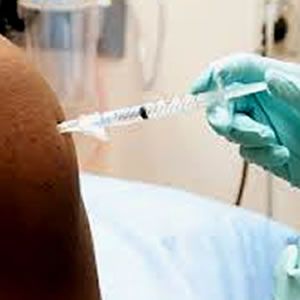 What is Vaccine?
A vaccine is a biological preparation that provides active acquired immunity to a particular infectious disease. A vaccine typically contains an agent that resembles a disease-causing microorganism and is often made from weakened or killed forms of
the microbe, its toxins, or one of its surface proteins. The agent stimulates the body's immune system to recognize the agent as a threat, destroy it, and to further recognize and destroy any of the microorganisms associated with that agent that it may encounter in the future. The administration of vaccines is called vaccination. Vaccination is the most effective method of preventing infectious diseases; widespread immunity due to vaccination is largely responsible for the worldwide eradication of smallpox and the restriction of diseases such as polio, measles, and tetanus from much of the world.
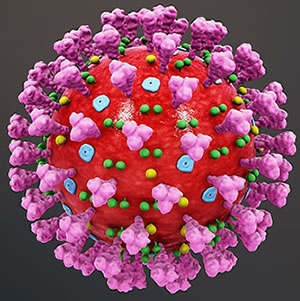 What is COVID?
Coronaviruses are a group of viruses that cause diseases in mammals and birds. In humans, coronaviruses cause respiratory tract infections that are typically mild, such as the common cold, though rarer forms such as SARS, MERS, and COVID-19 can be
lethal. Symptoms vary in other species: in chickens, they cause an upper respiratory tract disease, while in cows and pigs they cause diarrhea. There are yet to be vaccines or antiviral drugs to prevent or treat human coronavirus infections.
What is mRNA?mRNA or messenger RNA, in molecular biology is a single-stranded molecule of RNA that corresponds to the genetic sequence of a gene, and is read by a ribosome in the process of synthesizing a protein. During transcription, RNA polymerase makes a copy
of a gene from the DNA to mRNA as needed. This process is slightly different in eukaryotes and prokaryotes, including that prokaryotic RNA polymerase associates with DNA-processing enzymes during transcription so that processing can proceed during transcription. As in DNA, genetic information in mRNA is contained in the sequence of nucleotides, which are arranged into codons consisting of three base pairs each. Each codon codes for a specific amino acid, except the stop codons, which terminate protein synthesis. The translation of codons into amino acids requires two other types of RNA: transfer RNA, which recognizes the codon and provides the corresponding amino acid, and ribosomal RNA (rRNA), the central component of the ribosome's protein-manufacturing machinery.