Live Screenshot
Source link:
https://www.theguardian.com/commentisfree/belief/2010/apr/03/easter-pagan-symbolismPublished by: THE GUARDIAN on 3 Apr 2010
2403 views · Last view: 16 hrs ago
News Text (from THE GUARDIAN)
Easter is a pagan festival. If Easter isn't really about Jesus, then what is it about? Today, we see a secular culture celebrating the spring equinox, whilst religious culture celebrates the resurrection. However, early Christianity made a pragmatic acceptance of ancient pagan practises, most ofwhich we enjoy today at Easter. The general symbolic story of the death of the son (sun) on a cross (the constellation of the Southern Cross) and his rebirth, overcoming the powers of darkness, was a well worn story in the ancient world. There were plenty of parallel, rival resurrected saviours too.
The Sumerian goddess Inanna, or Ishtar, was hung naked on a stake, and was subsequently resurrected and ascended from the underworld. One of the oldest resurrection myths is Egyptian Horus. Born on 25 December, Horus and his damaged eye became symbols of life and rebirth. Mithras was born on what we now call Christmas day, and his followers celebrated the spring equinox. Even as late as the 4th [...]
To view the original News article, click here
DISCLAIMER All news articles are shared for educational purposes only. The news content is hosted on the external news website. News articles titles are derived from the original news title, news content, dialogue, speech or general content theme. The news title may be edited and optimized for SEO, keyword density, information and internal website search purposes. You are advised to view the original news article for a better understanding. If you spot any mistakes, errors or omissions kindly contact us.
Search Results on 'The pagan roots of Easter - The Guardian'
SCROLL TO: TOPICS | 2 NEWS | 106 ARTICLES | 0 FAQ | 1 VIDEO | 21 LINKS | 0Topics include Easter, The Guardian (2)
What is Easter? Easter, or Resurrection Sunday is a festival and holiday celebrating the resurrection of Jesus from the dead. This event is described in the New Testament as having occurred on the third day of his burial after his crucifixion by the Romans at Calvary c. 30 AD. It is the culmination of the Passion
of Jesus, preceded by Lent (or Great Lent), a forty-day period of fasting, prayer, and penance. Easter customs vary across the Christian world, and include sunrise services, exclaiming the Paschal greeting, clipping the church, and decorating Easter eggs (symbols of the empty tomb). The Easter lily, a symbol of the resurrection, traditionally decorates the chancel area of churches on this day and for the rest of Eastertide. Additional customs that have become associated with Easter and are observed by both Christians and some non-Christians include egg hunting, the Easter Bunny, and Easter parades. |
Who are The Guardian? The Guardian is a British daily newspaper. It was founded in 1821 as The Manchester Guardian, and changed its name in 1959. Along with its sister papers The Observer and The Guardian Weekly, The Guardian is part of the Guardian Media Group, owned by the Scott Trust. The trust was created in 1936 to
"secure the financial and editorial independence of The Guardian in perpetuity and to safeguard the journalistic freedom and liberal values of The Guardian free from commercial or political interference". |
News on Easter, The Guardian (106)
FAQ on Easter, The Guardian (1)
| 1.Where did Easter come from? |
 Pagan Origins of
  Pagan Origins of
  Sun, Moon and
 Christmas and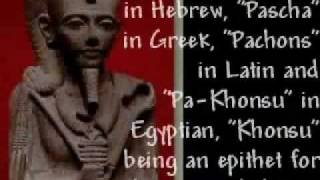
 Pretty Radical: Inside Poland's Far-Right -
  Battle For Mosul, Iraq -
  Coronavirus leads to violence against 'Tablighi Jamaat' Muslims in divided India -
 'Palestinian Lives Matter' to
  'God gave us Israel. All of Jerusalem is Jewish' |
  'Even Refugee Camps are not safe from Israeli soldiers' |
  'I gave you Life, you chose Death', Israeli settler claims |
  Extremist Israeli settlers make living in Gaza impossible |
  Israeli Settlers destroy what
  Catholic Christians BANNED from Worship at Holy Sepulchre, Israel on
  Lebanon pays 'a big price' for resisting Israel |