Live Screenshot
Source link:
https://metro.co.uk/2020/09/26/lockdown-could-kill-75000-due-to-cancelled-treatments-and-missed-diagnoses-13328942Published by: METRO on 26 Sep 2020
974 views · Last view: 4 hrs ago
News Text (from METRO)
Almost 75,000 people could die from non-coronavirus causes as a result of the UK lockdown, an alarming report presented to the Government’s key advisors warns. Research presented to the Government’s Scientific Advisory Group for Emergencies (SAGE) states 16,000 people lost their lives in care homesand hospitals in March and April, amid fears the NHS could be consumed by the pandemic.
A further 26,000 people will die within the next year if people continue to stay away from A&E and the social care sector continues to be plagued by problems, the Daily Mail reports.
Meanwhile, 31,900 people could die over the next five years due to missed cancer diagnoses, cancelled operations and the health impacts of a recession.
However, the report stresses that up to 400,000 people could have died with Covid-19 if the Government did not impose the strict nationwide lockdown in March.
Start your day informed with Metro's News Updates newsletter or get Breaking News alerts the moment it [...]
To view the original News article, click here
DISCLAIMER All news articles are shared for educational purposes only. The news content is hosted on the external news website. News articles titles are derived from the original news title, news content, dialogue, speech or general content theme. The news title may be edited and optimized for SEO, keyword density, information and internal website search purposes. You are advised to view the original news article for a better understanding. If you spot any mistakes, errors or omissions kindly contact us.
Search Results on '75,000 people could die due to Lockdowns, and not COVID itself - Metro'
SCROLL TO: TOPICS | 1 NEWS | 377 ARTICLES | 6 FAQ | 0 VIDEO | 231 LINKS | 0Topics include Coronavirus (1)
What is Coronavirus? Coronaviruses are a group of viruses that cause diseases in mammals and birds. In humans, coronaviruses cause respiratory tract infections that are typically mild, such as the common cold, though rarer forms such as SARS, MERS, and COVID-19 can be lethal. Symptoms vary in other species: in chickens
they cause an upper respiratory tract disease, while in cows and pigs they cause diarrhea. There are yet to be vaccines or antiviral drugs to prevent or treat human coronavirus infections. |



 Is 5G Technology the 'trigger' for
  Tuberculosis (TB) killed 1.6M in 2017.
  World Governments repond to
  The Lord spared the Black African bloodline from

 What is

 How does
 Did anyone die FROM the

 From
From  Collapse of the 2020 Global Financial System due to...
  No mass Gatherings until we have mass Vaccinations, against
  US Death Certificates 'inaccurately, inflate'
  Doctors worldwide wage War against
  US Death Certificates inflate
  Biolab Origins of
  Nov 2015 study:
 Death Rate of
  Beast #666 System using
 Apple/Google Smartphone '
 Death Rate for
  265M need food or
  Q&A:
Q&A: 
 Army of
  Doctors are unsure how to treat
 World unites to beat
  0.37% death rate?
  WebMD: 99.75%
  Americans! How much will you sacrifice for
  Millions have already had
 US
US  30 World Leaders pledge in unison 'need to develop
  Global Surveillance, Biometrics & Facial Recognition boosted by
 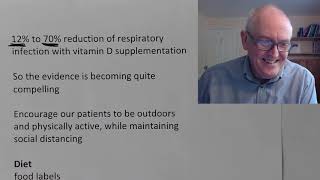 Vitamin D can help fight
  WHO:
WHO:  Big Technology uses
 UK Chief Medical Officer:
 How can we collaborate to stop the spread of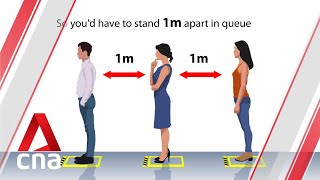
 New Age Plagues empower Government to push
 Israel: Every Person, Every Child should have a Sensor (Microchip Implant) to guard against
  Elmo says 'Children should wear a
  Big Bird's advice on how to stay Safe during the
 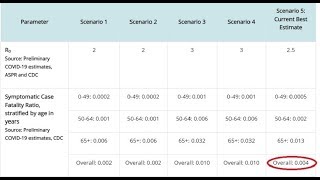 Death Rate for
  US:
US:  Flu Vaccination TWICE as likely to kill you, compared to



 Event 201 (2019): Global Pandemic Exercise to manage
  Dickweed! Stay Home. Wear a Mask & keep believing the
  33.. 33.. and 33.. New
  World's News read from scripted '33
 Prince Charles claims
  America! Wear your mandatory
 Kung Flu
  Great Reset to reform the Social Contract after
  Australia deploys 1,000 Army personnel for door-to-door
 COVI-PASS/V-
 'Normal' returns after We Vaccinate (
 New World Order: The Future Starts Here. Show your
  No
No  Canada, Quebec Health Minister, Horacio Arruda warns Canadians to wear
  Mexico: Vigilante groups enforce
  How Will History Treat The
  Major Sports Events to broadcast with 'Virtual, Animated Crowds' amid
  Critical Thinking in times of
  All
All  IMF: Build a New, Post-
 Wear a
  US
US  Israel and UAE sign 'Abraham Accord', a NWO peace agreement to jointly develop a
  NWO Takeover (Post-
 Brain Navi's Nasal Swab Robot ready to Test You for
  Wear a
  Accuracy of
  In Jesus, We have No Fear of
  60M Die Every Year. Christians Don't Fear
  California, USA: Our Church will not bow to
  Don't You Vaccinate Me (
 Compare
  8 ways the NWO uses
  Australia, Victoria: News Journalist physically abused by Police at
  Wear a
  In long-term,
  Avi Yemeni, turns into
 Media 'nonsense and panic' over
  Global Warming is the problem.



 At War with China as
  Pope Francis promotes post-
 Upto 90% of
  India: Truth About



 In 2015, Bill Gates predicted a
  In Conversation with
  Manchester Arndale with my Baby Face, a set of Balls. and no
  I'm Masking Alone Now (
 How
How  Australian Family receive $10,000
  Get Out of
  Destroy our World of 7.7 billion people, over a
  Welfare Control Ends. Cashless-Police State is here. Does
  Pfizer-Biontech
  Pfizer-Biontech vs. Moderna
  God is in Control of
  Oxford-AstraZeneca DNA


 Oxford-AstraZeneca Vaccine may end the
  The need to re-think Capitalism after

 Why I believe the
 Gravity causes an Apple fall. 'Herd Immunity' against
  Human History may be Ending thanks to
  Evil forces have turned us into
  We were not Born to be Slaves. Rise Up. Speak Up against the
 Jews should follow expert medical advice on
  UK
UK  UAE Fatwa Council declares
  Military style
 Pope Francis: Give
  UK Hospitals in Bed Shortage Crisis due to

 25% of American Children think of Suicide thanks to the Digial
 World Governments should review Ivermectin as a
 Vitamin D: Evidence for Fighting
  The China Godfather plays
 Millions of Israelies receive
  Why Did God Send

 Vitamin D is VITAL to fighting
 Vitamin D (2000-4000 IU) helps protect against
  Can UK government force you to have the
  UK Legal Arguments on the
  How the
  As Children of God, Never give into the
  Israel rolls-out Medical Apartheid using
  Israel's
  NHS Behaviour Change Units help you decide on the
  Boris: 'Few more years' of
 World Economic Forum launches CommonPass,
  Serbia chooses from 4

 If God plays a Symphony Orchestra inside you, the
  NHS Nurse reveals how hospital life changed under strict
  I was not put on Earth to take Orders from a government obsessed with
  India dying from
  Immunaband bracelet displays your
  Obey Your Master. Take the
  Take the
  NHS
NHS  Serbia distributes China's Sinopharm
  UK Government increases
  Fight
Fight 
 NOVAVAX: A New, Traditional
  Control People by Creating
  Satanic Agenda to use
  After
After  Be ready for Violence if you refuse
  Should I take a
  America turns to Communism.
 14 days inside Australia's
 Got
Got 
 Totalitarian
 Taiwan recommends
  Global 'psychopaths' deny link between
  Is the
  My Paralysis Injury After
  mRNA
mRNA  Muslims say 'We Hear, We Obey our