Live Screenshot
Source link:
https://off-guardian.org/2020/06/06/coronavirus-fact-check-6-does-wearing-a-mask-do-anything/Published by: OFF-GUARDIAN on 6 Jun 2020
1757 views · Last view: 2 days ago
News Text (from OFF-GUARDIAN)
As of two days ago, Boris Johnson’s government announced it will henceforth be illegal to use public transportation in the UK, without wearing a mask. This goes along with many other governments – both local and national – which have enforced mandatory mask-wearing to one extent oranother.
Leaving aside the question of whether such steps are necessary to combat a virus they openly admit is harmless to the vast majority of people – the question becomes: Do masks actually do anything to prevent the spread of this disease? Or respiratory diseases in general?
Well, some mask manufacturers don’t seem to think so. Printing this warning on the side of the box:
But, in case that’s just a company seeking to prevent liability, maybe we should look at some proper scientific research on the subject. There’s quite a bit of it.
Most of the media and politicians are strident in their support of enforced mask-wearing, but the science supporting that is thin on the ground.
While [...]
Explore More
Off-Guardian Coronavirus Face MaskSearch Google Search Explore Topics
 Who are Off-Guardian?
OffGuardian (off-guardian.org) is an independent alternative media and opinion website launched in February 2015. Its name is a direct play on The Guardian newspaper, as the site was founded by five creators who had been censored or banned from commenting on The Guardian's "Comment is Free" interactive sections.
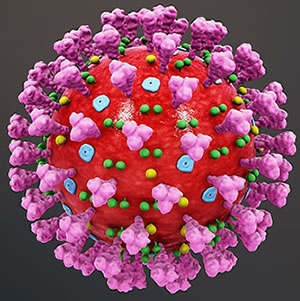 What is Coronavirus?
Coronaviruses are a group of viruses that cause diseases in mammals and birds. In humans, coronaviruses cause respiratory tract infections that are typically mild, such as the common cold, though rarer forms such as SARS, MERS, and COVID-19 can be lethal. Symptoms vary in other species: in chickens, they cause an upper respiratory tract disease, while in cows and pigs they cause diarrhea. There are yet to be vaccines or antiviral drugs to prevent or treat human coronavirus infections.
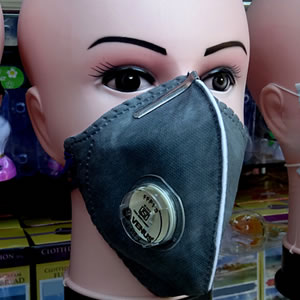 What is Face Mask?
A face mask or respirator is a device designed to protect the wearer from inhaling hazardous atmospheres. These include fumes, vapours, gases and particulate matter such as dusts and airborne microorganisms. There are two main categories: the air-purifying respirator, in which respirable air is obtained by filtering a contaminated atmosphere, and the air-supplied respirator, in which an alternate supply of breathable air is delivered. Within each category, different techniques are employed to reduce or eliminate noxious airborne contaminants. Air-purifying respirators range from relatively inexpensive single-use, disposable face masks sometimes referred to as a dust mask to more robust reusable models with replaceable cartridges often called a gas mask.