Explore More
 What is Creation?
A creation myth or cosmogonic myth is a type of cosmogony, a symbolic narrative of how the world began and how people first came to inhabit it. While in popular usage the term myth often refers to false or fanciful stories, members of cultures often ascribe varying degrees of truth to their creation myths. In the society in which it is told, a creation myth is usually regarded as conveying profound truths - metaphorically, symbolically, historically, or literally. They are commonly, although not always, considered cosmological myths - that is, they describe the ordering of the cosmos from a state of chaos or amorphousness. Creation myths often share several features. They often are considered sacred accounts and can be found in nearly all known religious traditions. They are all stories with a plot and characters who are either deities, human-like figures, or animals, who often speak and transform easily.
 Who is GOD?
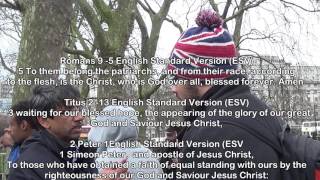
In monotheism and henotheism, God is conceived as the Supreme Being and principal object of faith. The concept of God as described by theologians commonly includes the attributes of omniscience (infinite knowledge), omnipotence (unlimited power), omnipresence (present everywhere), omnibenevolence (perfect goodness), divine simplicity, and eternal and necessary existence. In theism, God is the creator and sustainer of the universe In deism, God is the creator, but not the sustainer, of the universe Monotheism is the belief in the existence of one God or in the oneness of God In pantheism, God is the universe itself In atheism, God is purported not to exist, while deemed unknown or unknowable within the context of agnosticism.