Q Christianity and Hinduism revere their religious figures as gods or incarnations of God
A According to Islam, all these righteous persons were mortal, human prophets of God, like Muhammad, having the same needs that every human being has. They all eventually died, as everyone must.
There are several reasons why they have come to be revered by their followers as 'gods'. One is that their words were misunderstood by the later generations, who mistook their figurative expressions in a literal sense. Another is that the details of their lives were not preserved accurately, and therefore a great many myths have grown up around them, and their works and deeds have been much exaggerated.
1 views (2 days ago)
A According to Islam, all these righteous persons were mortal, human prophets of God, like Muhammad, having the same needs that every human being has. They all eventually died, as everyone must.
There are several reasons why they have come to be revered by their followers as 'gods'. One is that their words were misunderstood by the later generations, who mistook their figurative expressions in a literal sense. Another is that the details of their lives were not preserved accurately, and therefore a great many myths have grown up around them, and their works and deeds have been much exaggerated.
Explore More
Christianity Hindu GOD ONSSearch Google Search Explore Topics
 What is Christianity?
Christianity is a global religion centered on the life and teachings of Jesus Christ, who followers believe is the Son of God. It's a monotheistic faith, meaning Christians believe in one God who exists in three co-equal persons: God the Father, God the Son (Jesus Christ), and the Holy Spirit. Christianity is based on the Bible, with the Old Testament and New Testament serving as sacred texts.
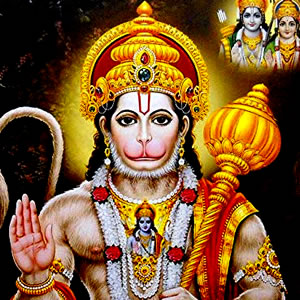 What is a Hindu?
Hindu refers to any person who regards themselves as culturally, ethnically, or religiously adhering to aspects of Hinduism. It has historically been used as a geographical, cultural, and later religious identifier for people indigenous to the Indian subcontinent.
 Who is GOD?
In monotheism and henotheism, God is conceived as the Supreme Being and principal object of faith. The concept of God as described by theologians commonly includes the attributes of omniscience (infinite knowledge), omnipotence (unlimited power), omnipresence (present everywhere), omnibenevolence (perfect goodness), divine simplicity, and eternal and necessary existence. In theism, God is the creator and sustainer of the universe In deism, God is the creator, but not the sustainer, of the universe Monotheism is the belief in the existence of one God or in the oneness of God In pantheism, God is the universe itself In atheism, God is purported not to exist, while deemed unknown or unknowable within the context of agnosticism.
 Who are ONS?
The Office for National Statistics (ONS) is the official national statistical institute of the United Kingdom.