27 views
·
Last viewed: 1 day ago
Uploaded: 22 Sep 2026 (2 weeks ago) · Shared: 23 Sep 2026
Duration: 44:53
Uploaded: 22 Sep 2026 (2 weeks ago) · Shared: 23 Sep 2026
Duration: 44:53
Youtube Description
Links Mentioned in this Episode: - https://www.bartehrman.com/NINT - our fourth annual New Insights into the New Testament (NINT) is coming upSeptember 26th and 27th. This year’s theme is Apocrypha and Canon: Lost Scriptures and the Making of the New Testament.
*Episode Outline:*
0:00 Why do some Christians believe the King James Version is the only inspired Bible?
2:37 Why “King James Only” belief is difficult to defend historically
4:20 Tyndale, the first English Bible from the original languages, and the translations before the KJV
6:44 Why King James commissioned a new Bible translation in 1604
8:28 How much has the King James Bible changed since its original 1611 edition?
10:35 Why Bart considers the KJV brilliant literature but a poor Bible for serious study
15:23 The literary beauty and lasting influence of the King James Version
17:08 Unicorns, satyrs, dragons, and obsolete words modern readers no longer understand
20:28 The bigger problem: familiar English words that meant something completely different in 1611
22:40 How theological beliefs influenced some King James translation choices
24:40 The biggest textual problem: the late Greek manuscripts behind the KJV New Testament
26:53 The Wicked Bible and other infamous printing mistakes in King James editions
28:57 Bart’s overall verdict on using the King James Version today
29:56 Which modern Bible translations and study Bibles does Bart recommend?
32:11 Listener Q&A: Where did the doctrine of original sin come from?
36:01 How did Christianity spread if most early Christians were not professional missionaries?
38:14 Did Jesus really tell people to become eunuchs, and did Origen castrate himself?
*Episode Description:*
Welcome to another episode of *Misquoting Jesus with Bart Ehrman*! In this discussion, Bart and host Megan Lewis examine one of the most influential books ever printed: the King James Version of the Bible. Its memorable language has shaped the English-speaking world for centuries, but its history also reveals theological agendas, linguistic problems, and textual limitations.
The episode begins with the “KJV-Only” movement, the belief that the 1611 King James Version is the uniquely inspired and authoritative English Bible. Dr. Ehrman explains that this view is often driven more by tradition and emotional attachment than by historical or textual evidence. For many readers, the KJV’s archaic style itself can sound sacred and authoritative.
Bart then traces the KJV’s origins. It was not the first English translation from the original languages. William Tyndale had already produced groundbreaking translations in the 1530s, work that eventually contributed to his execution. The KJV translators, commissioned by King James I in 1604, relied heavily on earlier English Bibles, especially the Bishop’s Bible and translations that ultimately drew from Tyndale. Many famous KJV phrases therefore originated decades before 1611.
King James also had practical and political reasons for supporting a new translation. He wanted a uniform Bible for the Church of England that would support the religious and social order he favored. After seven years of work by 47 scholars organized into six committees, the Authorized Version appeared in 1611.
Dr. Ehrman then turns to the KJV’s legacy,
*The Virtues of the King James Version:*
Its primary strength is its literary grandeur. Phrases like "Our Father, which art in heaven," "The Lord is my shepherd, I shall not want," and "Sufficient to the day is the evil thereof" have become part of our cultural lexicon. Bart argues that for its poetic and linguistic beauty, the KJV is unsurpassed. It is a masterpiece of English literature that deserves to be read and appreciated as such.
*The Pitfalls of the King James Version:*
1. *Archaic and Obscure Language:* The KJV contains many words and phrases modern readers no longer understand, along with unfamiliar creatures like unicorns, satyrs, and cockatrices. This can make the text confusing or misleading.
2. *"False Friends" - Words That Have Changed Meaning:* Some familiar KJV words now mean something very different. “Conversation” can mean citizenship, “strange women” means foreign women, and “admiration” can mean astonishment, creating easy opportunities for misreading.
3. *Theological Bias:* The KJV translators sometimes reflected Christian theological assumptions in their wording. Examples include “the Son of God” in Daniel and “a virgin shall conceive” in Isaiah, where the underlying Hebrew can be translated more broadly.
*Also watch these episodes:*
What is the King James Version?
https://www.youtube.com/watch?v=R-Q3zWPQ18U
Missing Manuscripts: Uncovering the Original Gospels' Text
https://www.youtube.com/watch?v=uObu6PCipG0
Why the Doctrine of Inerrancy Contradicts the Gospels
https://www.youtube.com/watch?v=C2MUeKNpds8
#KingJamesBible
#KingJamesVersion
#BibleTranslation
#BiblicalManuscripts
#textualcriticism
Explore More
Search Google Search Explore Topics King James Bible Bart Ehrman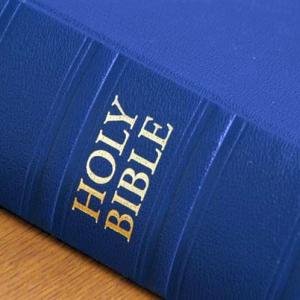 Who was King James Bible?
The King James Bible (KJV) is an English translation of the Christian Bible. Written for the Church of England, begun in 1604 and completed in 1611. The books of the King James Version include the 39 books of the Old Testament, an intertestamental section containing 14 books of the Apocrypha, and the 27 books of the New Testament. It was first printed by Robert Barker, the King's Printer, and was the third translation into English approved by the English Church authorities.
 Who is Bart Ehrman?
Bart Ehrman (born 1955) is an American New Testament scholar focusing on textual criticism of New Testament, historical Jesus, and development of early Christianity. Ehrman has written and edited 30 books, including three college textbooks. He has also authored six New York Times bestsellers. He is currently the James A. Gray Distinguished Professor of Religious Studies at the University of North Carolina at Chapel Hill.