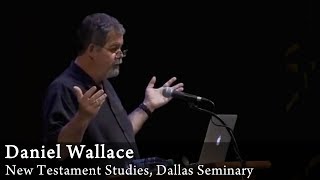
Youtube Description:
Links Mentioned in this Episode:
- - All through September we have Joel's course on sale: The Rise and Fall of Biblical Israel. This is an eight lecture course on Joshua, Judges, Samuel, and Kings. It’s 50% off, the entire month of September, via this link.
- - submit your questions to Joel about the Hebrew Bible, or anything else in the Misquoting Moses podcast!
*Episode Outline:*
0:00 Was ancient Israel really monotheistic, or did the Hebrew Bible assume other gods existed?
1:44 What the Shema actually means: “Yahweh is our God” and why that is not strict monotheism
6:37 Who were Baal, El, Asherah, Chemosh, Milcom, and the other gods of the ancient Near East?
8:37 Did ancient Israelites believe other peoples’ gods were actually real?
13:31 Monolatry: worshiping one god while acknowledging that other gods exist
15:00 Why Israel’s neighbors were not condemned for worshiping their own national deities
22:14 “Let us make humanity in our image”: who is God speaking to in Genesis?
26:56 The Satan in Job: not the devil, but a divine adversary in God’s heavenly court
31:27 Were the earliest Israelites originally Canaanites who worshiped other gods?
35:39 Why biblical names like Ishbaal were later changed to erase references to Baal
38:09 Yahweh, Elohim, and why Israel’s God appears under different names and titles
39:58 Lost in Translation: what “Asherah” actually means in the Hebrew Bible
43:04 Did Yahweh have a divine consort?
45:09 Archaeological evidence for “Yahweh and his Asherah” and what it reveals about ancient Israelite religion
*Episode Description*
When we read the Hebrew Bible today, we often approach it through the lens of strict monotheism. But Dr. Joel Baden explains that ancient Israel emerged from a world filled with many gods, and its religion developed gradually from polytheism to monolatry and eventually to monotheism.
The discussion begins with the Shema in Deuteronomy 6:4: “Hear, O Israel, Yahweh our God, Yahweh is one.” Dr. Baden argues that the phrase “our God” is especially revealing. Rather than denying the existence of other gods, it emphasizes Israel’s exclusive loyalty to Yahweh.
The Bible frequently mentions other deities, including Baal, Asherah, El, Chemosh, and Milcom. In this ancient context, acknowledging multiple gods while worshipping only one was common. Scholars call this system *monolatry*, and it was likely practiced by several small nations in the region, each centered on its own national deity.
The episode also examines the divine world surrounding Yahweh, including the idea of a heavenly council of lesser divine beings. This helps explain biblical passages where God speaks in the plural without implying that Israel worshipped several gods equally.
Finally, in “Lost in Translation,” Dr. Baden explores Asherah. In the Bible, the term can refer both to a goddess and to a sacred object Israelites were commanded to destroy. Archaeological inscriptions referring to “Yahweh and his Asherah” suggest that some Israelites may have worshipped Yahweh alongside a female divine figure.
Together, these clues show that ancient Israelite religion was not uniform or static. The Bible reflects the theology of particular authors and editors, while archaeology reveals that everyday religious practice could be much more diverse.
*Three Key Takeaways from This Episode:*
1. *Monolatry, Not Monotheism, Defined Early Israelite Religion:* Early Israelite religion often acknowledged many gods while demanding exclusive worship of Yahweh. The emphasis was loyalty to Israel’s God rather than denial that other gods existed.
2. *Yahweh's Divine Council Explains Plural Language:* Passages like “Let us make man in our image” reflect the Ancient Near Eastern idea of a supreme god presiding over a heavenly council of lesser divine beings.
3. *Israelite Religion Evolved from a Polytheistic World:* Biblical and archaeological evidence suggests Israelite religion developed from a Canaanite polytheistic setting. Worship of figures such as Baal and Asherah persisted alongside Yahweh, showing that official theology and everyday practice did not always match.
Links Mentioned in this Episode:
- - All through September we have Joel's course on sale: The Rise and Fall of Biblical Israel. This is an eight lecture course on Joshua, Judges, Samuel, and Kings. It’s 50% off, the entire month of September, via this link.
- - submit your questions to Joel about the Hebrew Bible, or anything else in the Misquoting Moses podcast!
*Episode Outline:*
0:00 Was ancient Israel really monotheistic, or did the Hebrew Bible assume other gods existed?
1:44 What the Shema actually means: “Yahweh is our God” and why that is not strict monotheism
6:37 Who were Baal, El, Asherah, Chemosh, Milcom, and the other gods of the ancient Near East?
8:37 Did ancient Israelites believe other peoples’ gods were actually real?
13:31 Monolatry: worshiping one god while acknowledging that other gods exist
15:00 Why Israel’s neighbors were not condemned for worshiping their own national deities
22:14 “Let us make humanity in our image”: who is God speaking to in Genesis?
26:56 The Satan in Job: not the devil, but a divine adversary in God’s heavenly court
31:27 Were the earliest Israelites originally Canaanites who worshiped other gods?
35:39 Why biblical names like Ishbaal were later changed to erase references to Baal
38:09 Yahweh, Elohim, and why Israel’s God appears under different names and titles
39:58 Lost in Translation: what “Asherah” actually means in the Hebrew Bible
43:04 Did Yahweh have a divine consort?
45:09 Archaeological evidence for “Yahweh and his Asherah” and what it reveals about ancient Israelite religion
*Episode Description*
When we read the Hebrew Bible today, we often approach it through the lens of strict monotheism. But Dr. Joel Baden explains that ancient Israel emerged from a world filled with many gods, and its religion developed gradually from polytheism to monolatry and eventually to monotheism.
The discussion begins with the Shema in Deuteronomy 6:4: “Hear, O Israel, Yahweh our God, Yahweh is one.” Dr. Baden argues that the phrase “our God” is especially revealing. Rather than denying the existence of other gods, it emphasizes Israel’s exclusive loyalty to Yahweh.
The Bible frequently mentions other deities, including Baal, Asherah, El, Chemosh, and Milcom. In this ancient context, acknowledging multiple gods while worshipping only one was common. Scholars call this system *monolatry*, and it was likely practiced by several small nations in the region, each centered on its own national deity.
The episode also examines the divine world surrounding Yahweh, including the idea of a heavenly council of lesser divine beings. This helps explain biblical passages where God speaks in the plural without implying that Israel worshipped several gods equally.
Finally, in “Lost in Translation,” Dr. Baden explores Asherah. In the Bible, the term can refer both to a goddess and to a sacred object Israelites were commanded to destroy. Archaeological inscriptions referring to “Yahweh and his Asherah” suggest that some Israelites may have worshipped Yahweh alongside a female divine figure.
Together, these clues show that ancient Israelite religion was not uniform or static. The Bible reflects the theology of particular authors and editors, while archaeology reveals that everyday religious practice could be much more diverse.
*Three Key Takeaways from This Episode:*
1. *Monolatry, Not Monotheism, Defined Early Israelite Religion:* Early Israelite religion often acknowledged many gods while demanding exclusive worship of Yahweh. The emphasis was loyalty to Israel’s God rather than denial that other gods existed.
2. *Yahweh's Divine Council Explains Plural Language:* Passages like “Let us make man in our image” reflect the Ancient Near Eastern idea of a supreme god presiding over a heavenly council of lesser divine beings.
3. *Israelite Religion Evolved from a Polytheistic World:* Biblical and archaeological evidence suggests Israelite religion developed from a Canaanite polytheistic setting. Worship of figures such as Baal and Asherah persisted alongside Yahweh, showing that official theology and everyday practice did not always match.
Explore More
 What is Israel?
Israel, officially the State of Israel, is a country in the Middle East. Located on the southeastern shore of the Mediterranean Sea and the northern shore of the Red Sea. It has land borders with Lebanon to the north, Syria to the northeast, Jordan on the east, the Palestinian territories of the West Bank and Gaza Strip to the east and west, respectively, and Egypt to the southwest.
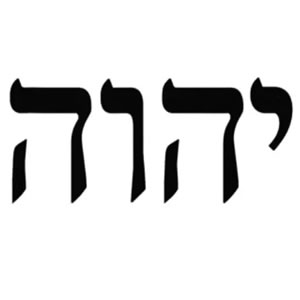 Who is Yahweh?
Yahweh was the national god of the Iron Age kingdoms of Israel (Samaria) and Judah. His exact origins are disputed, although they reach back to the early Iron Age and even the Late Bronze: his name may have begun as an epithet of El, head of the Bronze Age Canaanite pantheon, but the earliest plausible mentions of Yahweh are in Egyptian texts that refer to a similar-sounding place name associated with the Shasu nomads of the southern Transjordan. In the oldest biblical literature, Yahweh is a typical ancient Near Eastern "divine warrior", who leads the heavenly army against Israel's enemies; he later became the main god of the Kingdom of Israel (Samaria) and of Judah, and over time the royal court and temple promoted Yahweh as the god of the entire cosmos, possessing all the positive qualities previously attributed to the other gods and goddesses.
 Who is GOD?
In monotheism and henotheism, God is conceived as the Supreme Being and principal object of faith. The concept of God as described by theologians commonly includes the attributes of omniscience (infinite knowledge), omnipotence (unlimited power), omnipresence (present everywhere), omnibenevolence (perfect goodness), divine simplicity, and eternal and necessary existence. In theism, God is the creator and sustainer of the universe In deism, God is the creator, but not the sustainer, of the universe Monotheism is the belief in the existence of one God or in the oneness of God In pantheism, God is the universe itself In atheism, God is purported not to exist, while deemed unknown or unknowable within the context of agnosticism.
 Who are TES?