Youtube Description:
Why did God choose a heathen king like Cyrus to free His people when His own chosen nation had failed? Most Christians miss this critical truth about divine sovereignty that could revolutionize your understanding of God's mysterious ways. Discover the real reason behind Cyrus's unprecedented success and what it reveals about trusting God's plan when non-believers seem to prosper while believers struggle. This 3D animated Bible story of King Cyrus will challenge your assumptions about divine justice and inspire unwavering faith in God's perfect timing. Are you questioning God's choices, or do you trust His sovereignty even when His methods seem strange?
Watch more Red Lamb Stories Here:
Videos Created and Animated by:
Red Team
|=-(¤)-=|
#RedlambStories
#biblestories
#epicstorytelling
#biblestoriesexplained
#biblestoriesanimation
#animatedbiblestories
#bibleanimationvideos
#christiananimationfilm
#christiananime
#christianshorts
#christianity
#jesus
#truth
#god
Want to stay updated with the latest videos? 📺🔔 Subscribe to our channel!
John 3:16 'For God so loved the world that He gave His only begotten Son. For whosoever believes in Him will not perish but will have everlasting life.'
♦️DISCLAIMER♦️
Our Bible stories narrative are based on biblical context. However, the animated visual does not represent the actual biblical figures. All characters appearing in this work are fictitious and serve a similar purpose as casting actors to portray roles in a film.
Our use of animation underscores the fictional nature of the characters, allowing for creative expression while honoring the narratives we present.
Why did God choose a heathen king like Cyrus to free His people when His own chosen nation had failed? Most Christians miss this critical truth about divine sovereignty that could revolutionize your understanding of God's mysterious ways. Discover the real reason behind Cyrus's unprecedented success and what it reveals about trusting God's plan when non-believers seem to prosper while believers struggle. This 3D animated Bible story of King Cyrus will challenge your assumptions about divine justice and inspire unwavering faith in God's perfect timing. Are you questioning God's choices, or do you trust His sovereignty even when His methods seem strange?
Watch more Red Lamb Stories Here:
Videos Created and Animated by:
Red Team
|=-(¤)-=|
#RedlambStories
#biblestories
#epicstorytelling
#biblestoriesexplained
#biblestoriesanimation
#animatedbiblestories
#bibleanimationvideos
#christiananimationfilm
#christiananime
#christianshorts
#christianity
#jesus
#truth
#god
Want to stay updated with the latest videos? 📺🔔 Subscribe to our channel!
John 3:16 'For God so loved the world that He gave His only begotten Son. For whosoever believes in Him will not perish but will have everlasting life.'
♦️DISCLAIMER♦️
Our Bible stories narrative are based on biblical context. However, the animated visual does not represent the actual biblical figures. All characters appearing in this work are fictitious and serve a similar purpose as casting actors to portray roles in a film.
Our use of animation underscores the fictional nature of the characters, allowing for creative expression while honoring the narratives we present.
Explore More
 Who are Red Lamb Stories?
The Red Lamb Bible Stories YouTube Channel is an online animation hub that brings scripture to life through vibrant, Pixar-inspired 3D animations tailored for children and families. The channel focuses on telling both popular and lesser-known scripture accounts through high-quality visual storytelling. Each video combines detailed 3D graphics, engaging voiceover narratives, and clear, faith-based life lessons.
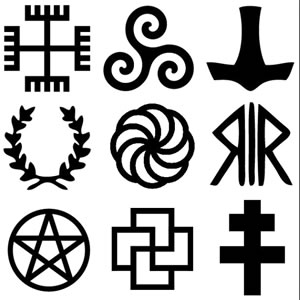 What is Pagan?
Paganism is a term first used in the fourth century by early Christians. It was applied on populations of the Roman Empire who practiced polytheism, either because they were increasingly rural and provincial relative to the Christian population or because they were not milites Christi (soldiers of Christ). Alternate terms in Christian texts for the same group were hellene, gentile, and heathen. Pagan and paganism were pejorative terms for the same polytheistic group, implying its inferiority. Paganism has broadly connoted the "religion of the peasantry", and for much of its history was a derogatory term. Both during and after the Middle Ages, pagan was a pejorative term that was applied to any non-Abrahamic or unfamiliar religion, and the term presumed a belief in false god(s).
 Who is GOD?
In monotheism and henotheism, God is conceived as the Supreme Being and principal object of faith. The concept of God as described by theologians commonly includes the attributes of omniscience (infinite knowledge), omnipotence (unlimited power), omnipresence (present everywhere), omnibenevolence (perfect goodness), divine simplicity, and eternal and necessary existence. In theism, God is the creator and sustainer of the universe In deism, God is the creator, but not the sustainer, of the universe Monotheism is the belief in the existence of one God or in the oneness of God In pantheism, God is the universe itself In atheism, God is purported not to exist, while deemed unknown or unknowable within the context of agnosticism.