Explore More
Moon God Iraq Iran GOD SinSearch Google Search Explore Topics
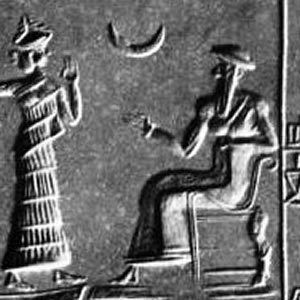 Who is the Moon God?
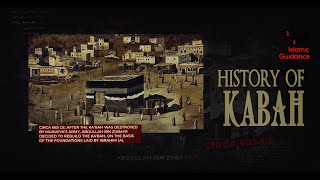
In modern times it is claimed Allah (God in Islam) historically originates as a Moon God. Therefore this Moon God was worshipped in pre-Islamic Arabia originates in early 20th-century scholarship, most prominently advocated by American evangelicals from the 1990s. The idea was proposed by archeologist Hugo Winckler in 1901. It was proliferated in the USA in the 1990s, first via the publication of Robert Morey's pamphlet The Moon-god Allah: In Archeology of the Middle East (1994). Morey argues that "Allah" was the name of a moon god in pre-Islamic Arabic mythology, the implication being that "Allah" as the term for God in Islam implies that Muslims worship a different deity than the Judeo-Christian one. Joseph Lumbard, a professor of classical Islam, has stated the idea is "not only an insult to Muslims but also an insult to Arab Christians who use the name 'Allah' for God."
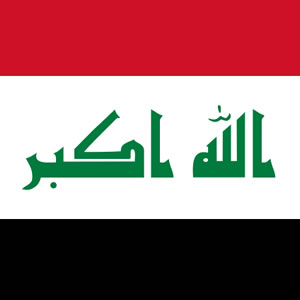 What is Iraq?
Iraq, officially known as the Republic of Iraq is a country in Western Asia. It is bordered by Turkey to the north, Iran to the east, Kuwait to the southeast, Saudi Arabia to the south, Jordan to the southwest and Syria to the west. The capital, and largest city, is Baghdad. Iraq is home to diverse ethnic groups including Arabs, Kurds, Assyrians, Turkmen, Shabakis, Yazidis, Armenians, Mandeans, Circassians and Kawliya. Around 95% of the country's 37 million citizens are Muslims, with Christianity, Yarsan, Yezidism and Mandeanism also present. The official languages of Iraq are Arabic and Kurdish.
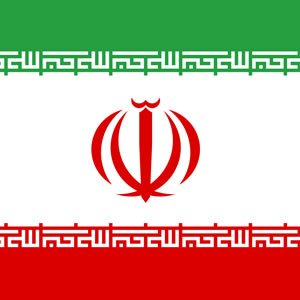 What is Iran?
Iran, also called Persia and officially the Islamic Republic of Iran is a country in Western Asia. With over 81 million inhabitants, Iran is the world's 18th most populous country. It is the second largest country in the Middle East and the 17th largest in the world.
 Who is GOD?
In monotheism and henotheism, God is conceived as the Supreme Being and principal object of faith. The concept of God as described by theologians commonly includes the attributes of omniscience (infinite knowledge), omnipotence (unlimited power), omnipresence (present everywhere), omnibenevolence (perfect goodness), divine simplicity, and eternal and necessary existence. In theism, God is the creator and sustainer of the universe In deism, God is the creator, but not the sustainer, of the universe Monotheism is the belief in the existence of one God or in the oneness of God In pantheism, God is the universe itself In atheism, God is purported not to exist, while deemed unknown or unknowable within the context of agnosticism.
What is Sin?In Abrahamic contexts, sin is the act of violating God's will. Sin can also be viewed as anything that violates the ideal relationship between an individual and God; or as any diversion from the ideal order for human living. To sin has been defined as "to miss the mark". Sins fall in a spectrum from minor errors to deadly misdeeds. Catholicism regards the least corrupt sins as venial sins which are part of human living and carry immediate consequences on earth, and, if unrepented for, more painful purgation, assuming the person is destined to heaven, as it is written in the formation letter "Purgatory", "most of the early Fathers of the Church speak of a cleansing fire, though we cannot tell whether this means actual or spiritual fire." Conversely, sins of great evil are mortal sins which bring the consequence of hell if they are not addressed either through an act of perfect contrition or going to confession about them.