Youtube Description:
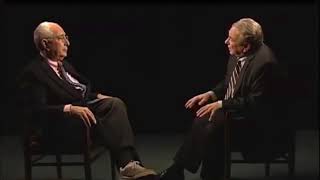
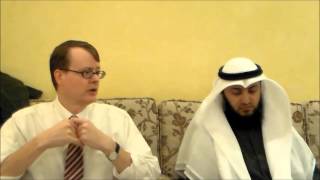
In-depth interview with Dr. Robert Eisneman 2018. Dr. Eisenman is asked detailed questions and provides direct responses to historical events and groups that have been misrepresented by mainstream doctrines about Jesus, James, Paul, the expected Messiah, and prophesied apocalypse.Dr. Eisneman is a key player in getting information out to the public about the content and context of the Dead Sea Scrolls writers, and the community of Messianic followers and Zealots for YHWH (God). These were the priests that were overthrown during the Hellenisation of Judea. Details are deep and the relevance is critical to our understanding of what went on with the communities that were active during the time of the Messiah Jesus, the disciples (Zealots) and Paul. Finally how we got the gospels and new testament writings after the dust settled.
In-depth interview with Dr. Robert Eisneman 2018. Dr. Eisenman is asked detailed questions and provides direct responses to historical events and groups that have been misrepresented by mainstream doctrines about Jesus, James, Paul, the expected Messiah, and prophesied apocalypse.Dr. Eisneman is a key player in getting information out to the public about the content and context of the Dead Sea Scrolls writers, and the community of Messianic followers and Zealots for YHWH (God). These were the priests that were overthrown during the Hellenisation of Judea. Details are deep and the relevance is critical to our understanding of what went on with the communities that were active during the time of the Messiah Jesus, the disciples (Zealots) and Paul. Finally how we got the gospels and new testament writings after the dust settled.
Explore More
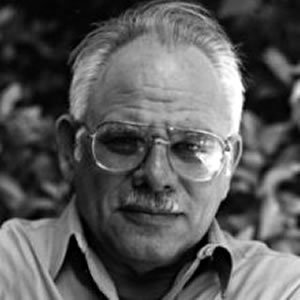 Who is Robert Eisenman?
Robert Eisenman (born 1937) is an American biblical scholar, theoretical writer, historian, archaeologist, and "road" poet. He is currently professor of Middle East religions, archaeology, and Islamic law and director of the Institute for the Study
of Judaeo-Christian Origins at California State University Long Beach. Eisenman is professor of Middle East religions, archaeology, and Islamic law and the director of the Institute for the Study of Judeo-Christian and Islamic Origins at California State University Long Beach. He is also a visiting senior member of Linacre College, Oxford University, and was a National Endowment for the Humanities fellow at the Albright Institute of Archaeological Research (American Schools of Oriental Research) in Jerusalem.
 What is Gospel?
Gospel is the Old English translation of Greek evangelion, meaning "good news". It originally meant the Christian message itself, but in the 2nd century it came to be used for the books in which the message was set out. The four gospels of the New
Testament: Matthew, Mark, Luke and John are the main source of information on the life of Jesus.
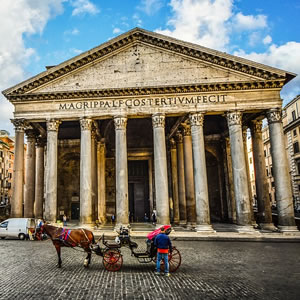 What is Roman?
In historiography, ancient Rome is Roman civilization. From the founding of the city of Rome in the 8th century BC to the collapse of the Western Roman Empire in the 5th century AD, encompassing the Roman Kingdom, Roman Republic and Roman Empire
until the fall of the western empire. The civilization began as an Italic settlement in the Italian peninsula, dating from the 8th century BC, that grew into the city of Rome and which subsequently gave its name to the empire over which it ruled and to the widespread civilisation the empire developed. The Roman empire expanded to become one of the largest empires in the ancient world, though still ruled from the city, with an estimated 50 to 90 million inhabitants (roughly 20% of the world's population) and covering 5.0 million square kilometres at its height in AD 117.