378 views
·
Last viewed: 1 day ago
Uploaded: 01 Jan 2026 (9 months ago) · Shared: 18 Feb 2026
Duration: 22:46
Uploaded: 01 Jan 2026 (9 months ago) · Shared: 18 Feb 2026
Duration: 22:46
Video Description
Join Paula Fredriksen as she delves into the fascinating history of the Apostle Paul’s mission to the pagans, exploring how he preached Prophet Jesus as the divine figure to non-believers. This insightful video from History Valley sheds light on the early history of Christianity and the intricate dynamics between Jewish, Christian, and pagan communities. Discover the profound impact of Paul’s teachings and how they shaped the foundations of Christian faith. For those interested in the convergence of religious narratives and spiritual journeys, this video offers a rich blend of historical context and theological reflection, making it a valuable resource for followers of Judaism, Christianity, and Islam alike.
Explore More
Paula Fredriksen History Valley Apostle Paul Pagan GOD JESUS
JESUS
Search Google Search Explore Topics
 Who is Paula Fredriksen?
Paula Fredriksen (born 1951) is an American historian and scholar of early Christianity. She held the position of William Goodwin Aurelio Professor of Scripture at Boston University from 1990 to 2010. Now emerita, she has been a distinguished visiting professor in the Department of Comparative Religion at the Hebrew University of Jerusalem, since 2009. Fredriksen specializes in the history of Christianity, tracing its development from its roots in an apocalyptic, messianic sect within Second Temple Judaism to its evolution into an extension of the Late Roman imperial government and its strengthening in the post-Roman West, from the 1st to the 7th centuries CE. She works to reconstruct the many ways that various ancient Mediterranean peoples-pagans, Jews and Christians-interacted with the many special social agents (e.g., high Gods, apocalyptic forces, heavenly bodies, godlings, spirits, and divine humans) that populated both the ancient flat-disced Earth and geocentric universe.
 Who are History Valley?
History Valley podcast is a world history/religious history channel in which we discuss historical events, interview authors, PhD's, Professors and other authors about subjects pertaining to those things.
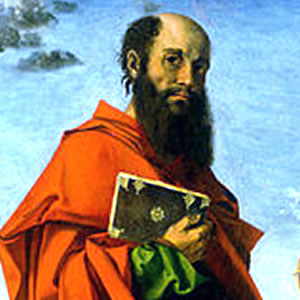 Who was Apostle Paul?
Paul the Apostle (Latin: Paulus), commonly known as Saint Paul and also known by his Jewish name Saul of Tarsus was an apostle (though not one of the Twelve Apostles) who taught the gospel of Christ to the first century world. Paul is generally considered one of the most important figures of the Apostolic Age and in the mid-30s to the mid-50s AD he founded several churches in Asia Minor and Europe. He took advantage of his status as both a Jew and a Roman citizen to minister to both Jewish and Roman audiences. According to writings in the New Testament and prior to his conversion, Paul was dedicated to persecuting the early disciples of Jesus in the area of Jerusalem. In Acts, Paul was traveling on the road from Jerusalem to Damascus on a mission to 'arrest them and bring them back to Jerusalem' when the resurrected Jesus appeared to him in a great light. He was struck blind, but after three days his sight was restored by Ananias of Damascus and Paul began to preach that Jesus of Nazareth is the Jewish Messiah and the Son of God.
 What is Pagan?
Paganism is a term first used in the fourth century by early Christians. It was applied on populations of the Roman Empire who practiced polytheism, either because they were increasingly rural and provincial relative to the Christian population or because they were not milites Christi (soldiers of Christ). Alternate terms in Christian texts for the same group were hellene, gentile, and heathen. Pagan and paganism were pejorative terms for the same polytheistic group, implying its inferiority. Paganism has broadly connoted the "religion of the peasantry", and for much of its history was a derogatory term. Both during and after the Middle Ages, pagan was a pejorative term that was applied to any non-Abrahamic or unfamiliar religion, and the term presumed a belief in false god(s).
Who is GOD?In monotheism and henotheism, God is conceived as the Supreme Being and principal object of faith. The concept of God as described by theologians commonly includes the attributes of omniscience (infinite knowledge), omnipotence (unlimited power), omnipresence (present everywhere), omnibenevolence (perfect goodness), divine simplicity, and eternal and necessary existence. In theism, God is the creator and sustainer of the universe In deism, God is the creator, but not the sustainer, of the universe Monotheism is the belief in the existence of one God or in the oneness of God In pantheism, God is the universe itself In atheism, God is purported not to exist, while deemed unknown or unknowable within the context of agnosticism.