495 views
·
Last viewed: 21 hrs ago
Uploaded: 06 May 2025 (1 year ago) · Shared: 15 May 2025
Duration: 21:55
Uploaded: 06 May 2025 (1 year ago) · Shared: 15 May 2025
Duration: 21:55
Youtube Description
🕌✨ How did Persian culture, administration, and thought influence the rise of Islamic civilization? In this deep-dive historical video, we explore theprofound impact that Persian traditions had on the Islamic world — from the Abbasid Caliphate to Persian scholars, poets, and bureaucratic systems that helped shape Islamic governance, science, and art.
📌 What You'll Learn in This Video:
The legacy of the Sassanian Empire and how its administrative systems were adopted by the Islamic Caliphates
How Persian scholars like Avicenna (Ibn Sina), Al-Farabi, and Al-Khwarizmi advanced Islamic science and philosophy
The transformation of Baghdad into a center of learning through Persian influence
Persian contributions to Islamic art, architecture, and literature — including the epic Shahnameh
Why Persian became a lingua franca of the Islamic Golden Age
SUPPORT US ON PATREON: https://www.patreon.com/akhlaaqandizza
🕰️ Chapters:
📚 Sources & Recommended Reading:
- فتح مصر و أخبارها –بن عبد الحكم أبو القاسم
- نفح الطيب من غصن الأندلس – أحمد المقري
- تاريخ الرسل والملوك – ابو جعفر الطبري
- فتوح البلدان - البلاذري أحمد بن يحيى
- التاريخ الأندلسي - عبد الرحمن علي الحجي
- الفتوحات الإسلامية في عهد الراشدين – بدر نبيل ملحم
- الفتح الإسلامي في الشمال الإفريفي – علي محمد الصلابي
- Chronicle of John of Nikiu – John of Nikiu
- Chronicle of 754/ Mozarabic Chronicle – Unknown
- Chronicle of Alfonso III – Sebastianus
- Chronicle of Theophanes – Theophanes the Confessor
🔔 Subscribe for more deep history content:
Don’t forget to like, share, and comment if you enjoyed the video!
💬 Join the Discussion:
What do you think was the most influential Persian contribution to the Islamic world?
Leave your thoughts below — we respond to every insightful comment!
Explore More
Islam IranSearch Google Search Explore Topics
 What is Islam?
One of the major religions of the world, Islam literally translates to "submission," as a follower of Islam (Muslims) devotes their life to that of their God. The religion began with the teachings of Muhammad in the 7th century. The theology of Islam is based on the Qur'an, which was given to Muhammad by God. Some of the major fundamental principles of Islam include the Five Pillars, which hope to unite all Muslims into a community. Two different factions of Muslims exist - the majority are known as Sunni, with a small percentage known as Shi'a - both predominantly reside throughout the Middle East. Muhammad died in 632 AD and the religion of Islam formally started after his death. The Quran was formally compiled and finalised in 650 AD, prior to which it was 'memorised' and written across many parchments.
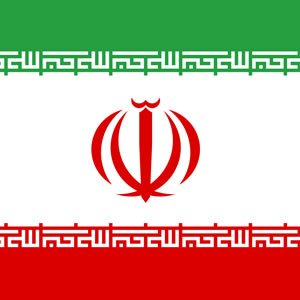 What is Iran?
Iran, also called Persia and officially the Islamic Republic of Iran is a country in Western Asia. With over 81 million inhabitants, Iran is the world's 18th most populous country. It is the second largest country in the Middle East and the 17th largest in the world.