407 views
·
Last viewed: 2 hrs ago
Uploaded: 20 Dec 2020 (6 years ago) · Shared: 22 Dec 2020
Duration: 7:13
Uploaded: 20 Dec 2020 (6 years ago) · Shared: 22 Dec 2020
Duration: 7:13
Youtube Description
Do you wonder what is the Torah's Perspective on getting the new Covid-19 Vaccine (or any other vaccine)? listen to a women asking Rabbi ChaimMintz , Founder of Oorah and get the answer!
'Just this past week I've gotten into a number of debates with people whether to vaccinate or to not vaccinate. What is our responsibility in terms of taking care of the more vulnerable people in in our society and younger people who are not so interested in getting vaccinated what's their responsibility?
My question is: what's the Torah's perspective on on getting this vaccination and what is do we have a responsibility?'
Oorah's founder, Rabbi Chaim Mintz, delivers a weekly Tuesday night class at Oorah's 'Torah Spot' in Staten Island. The class is streamed live at http://www.oorah.org/rabbimintzlive each Tuesday night at 8:30pm
'Ask the Rabbi Live' session begins at 9:00. Send your question to be answered by Rabbi Mintz by submitting it to asktherabbi@oorah.org
All questions are welcome!
#ASK_THE_RABBI #COVID_VACCINE
Explore More
Coronavirus Judaism VaccineSearch Google Search Explore Topics
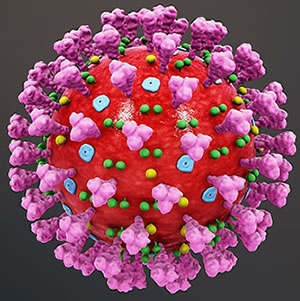 What is Coronavirus?
Coronaviruses are a group of viruses that cause diseases in mammals and birds. In humans, coronaviruses cause respiratory tract infections that are typically mild, such as the common cold, though rarer forms such as SARS, MERS, and COVID-19 can be lethal. Symptoms vary in other species: in chickens, they cause an upper respiratory tract disease, while in cows and pigs they cause diarrhea. There are yet to be vaccines or antiviral drugs to prevent or treat human coronavirus infections.
 What is Judaism?
Judaism encompasses the religion, philosophy, culture and way of life of the Jewish people. Judaism is a monotheistic religion, with the Torah as its foundational text (part of the larger text known as the Tanakh or Hebrew Bible), and supplemental oral tradition represented by later texts such as the Midrash and the Talmud. Judaism is considered by religious Jews to be the expression of the covenantal relationship that God established with the Children of Israel. Judaism includes a wide corpus of texts, practices, theological positions, and forms of organization. Within Judaism there are a variety of movements, most of which emerged from Rabbinic Judaism, which holds that God revealed his laws and commandments to Moses on Mount Sinai in the form of both the Written and Oral Torah. The Jews are an ethnoreligious group and include those born Jewish and converts to Judaism. In 2012, the world Jewish population was estimated at about 14 million, or roughly 0.2% of the total world population. About 42% of all Jews reside in Israel and about 42% reside in the United States and Canada, with most of the remainder living in Europe.
 What is Vaccine?
A vaccine is a biological preparation that provides active acquired immunity to a particular infectious disease. A vaccine typically contains an agent that resembles a disease-causing microorganism and is often made from weakened or killed forms of the microbe, its toxins, or one of its surface proteins. The agent stimulates the body's immune system to recognize the agent as a threat, destroy it, and to further recognize and destroy any of the microorganisms associated with that agent that it may encounter in the future. The administration of vaccines is called vaccination. Vaccination is the most effective method of preventing infectious diseases; widespread immunity due to vaccination is largely responsible for the worldwide eradication of smallpox and the restriction of diseases such as polio, measles, and tetanus from much of the world.