338 views
·
Last viewed: 2 days ago
Uploaded: 24 Jul 2020 (6 years ago) · Shared: 26 Jul 2020
Duration: 1:32:03
Uploaded: 24 Jul 2020 (6 years ago) · Shared: 26 Jul 2020
Duration: 1:32:03
Video Description
In this compelling international dialogue, Sheikh Omar Baloch and Sharif Abu Laith examine the historic conversion of the Hagia Sophia from an imperial Church and museum into a mosque, analyzing its broader implications for the global faith community. By exploring how this milestone impacts the sacred status of the Al-Aqsa Mosque, the discussion offers profound insights into sacred spaces, early history, and interreligious relations spanning Islam, Christianity, and Judaism.
Grounded in authentic Islamic guidance and a deep reverence for shared Abrahamic heritage, this debate bridges perspectives across the Quran, Bible, and Torah. Whether reflecting on the legacy of the Christian Church or the spiritual importance of
Explore More
Hagia Sophia Omar Baloch Al-Aqsa ChurchSearch Google Search Explore Topics
 Where is Hagia Sophia?
Hagia Sophia, officially the Hagia Sophia Grand Mosque and formerly the Church of Hagia Sophia, is a Late Antique place of worship in Istanbul. Built in 537 as the patriarchal cathedral of the imperial capital of Constantinople, it was the largest Christian church of the eastern Roman Empire (the Byzantine Empire), except during the Latin Empire from 1204 to 1261, when it became the Roman Catholic cathedral. In 1453, after the Fall of Constantinople to the Ottoman Empire, it was converted into a Muslim mosque. In 1935 the secular Turkish Republic established it as a museum. In 2020, it was re-opened as a mosque.
 Who is Omar Baloch?
Omar Baloch has completed a degree in Islamic Studies from Al Azhar University.
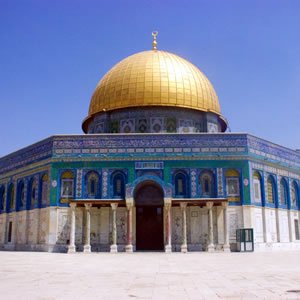 What is Al-Aqsa?
Al-Aqsa Mosque, 'the Farthest Mosque' located in the Old City of Jerusalem. This is the third holiest site in Islam. The mosque was built on top of the Temple Mount, known as Haram esh-Sharif in Islam. Muslims believe that Muhammad was transported from the Sacred Mosque in Mecca to al-Aqsa during the Night Journey. Islamic tradition holds that Muhammad led prayers towards this site until the 17th month after his migration from Mecca to Medina, when Allah directed him to turn towards the Kaaba in Mecca.
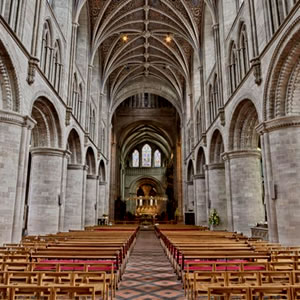 What is the Church?
A church is a building used for Christian worship services and Christian activities. The earliest identified Christian church is a house church founded between 233 AD and 256 AD. The word church also describes a body or assembly of Christian believers, while "the Church" refers to the worldwide Christian religious community.