Youtube Description:
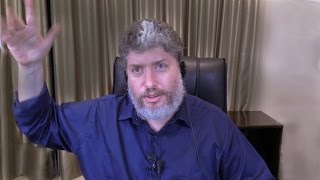
In-depth interview with Dr. Robert Eisneman 2018. Dr. Eisenman is asked detailed questions and provides direct responses to historical events and groups that have been misrepresented by mainstream doctrines about Jesus, James, Paul, the expected Messiah, and prophesied apocalypse.Dr. Eisneman is a key player in getting information out to the public about the content and context of the Dead Sea Scrolls writers, and the community of Messianic followers and Zealots for YHWH (God). These were the priests that were overthrown during the Hellenisation of Judea. Details are deep and the relevance is critical to our understanding of what went on with the communities that were active during the time of the Messiah Jesus, the disciples (Zealots) and Paul. Finally how we got the gospels and new testament writings after the dust settled.
In-depth interview with Dr. Robert Eisneman 2018. Dr. Eisenman is asked detailed questions and provides direct responses to historical events and groups that have been misrepresented by mainstream doctrines about Jesus, James, Paul, the expected Messiah, and prophesied apocalypse.Dr. Eisneman is a key player in getting information out to the public about the content and context of the Dead Sea Scrolls writers, and the community of Messianic followers and Zealots for YHWH (God). These were the priests that were overthrown during the Hellenisation of Judea. Details are deep and the relevance is critical to our understanding of what went on with the communities that were active during the time of the Messiah Jesus, the disciples (Zealots) and Paul. Finally how we got the gospels and new testament writings after the dust settled.
Explore More
 Who is Robert Eisenman?
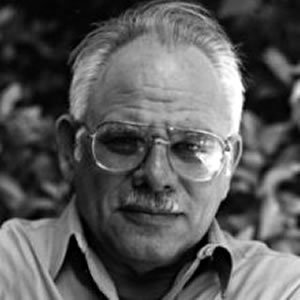
Robert Eisenman (born 1937) is an American biblical scholar, theoretical writer, historian, archaeologist, and "road" poet. He is currently professor of Middle East religions, archaeology, and Islamic law and director of the Institute for the Study of Judaeo-Christian Origins at California State University Long Beach. Eisenman is professor of Middle East religions, archaeology, and Islamic law and the director of the Institute for the Study of Judeo-Christian and Islamic Origins at California State University Long Beach. He is also a visiting senior member of Linacre College, Oxford University, and was a National Endowment for the Humanities fellow at the Albright Institute of Archaeological Research (American Schools of Oriental Research) in Jerusalem.
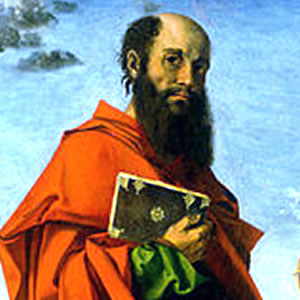 Who was Apostle Paul?
Paul the Apostle (Latin: Paulus), commonly known as Saint Paul and also known by his Jewish name Saul of Tarsus was an apostle (though not one of the Twelve Apostles) who taught the gospel of Christ to the first century world. Paul is generally considered one of the most important figures of the Apostolic Age and in the mid-30s to the mid-50s AD he founded several churches in Asia Minor and Europe. He took advantage of his status as both a Jew and a Roman citizen to minister to both Jewish and Roman audiences. According to writings in the New Testament and prior to his conversion, Paul was dedicated to persecuting the early disciples of Jesus in the area of Jerusalem. In Acts, Paul was traveling on the road from Jerusalem to Damascus on a mission to 'arrest them and bring them back to Jerusalem' when the resurrected Jesus appeared to him in a great light. He was struck blind, but after three days his sight was restored by Ananias of Damascus and Paul began to preach that Jesus of Nazareth is the Jewish Messiah and the Son of God.
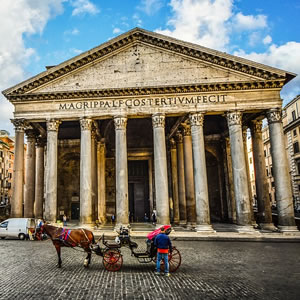 What is Roman?
In historiography, ancient Rome is Roman civilization. From the founding of the city of Rome in the 8th century BC to the collapse of the Western Roman Empire in the 5th century AD, encompassing the Roman Kingdom, Roman Republic and Roman Empire until the fall of the western empire. The civilization began as an Italic settlement in the Italian peninsula, dating from the 8th century BC, that grew into the city of Rome and which subsequently gave its name to the empire over which it ruled and to the widespread civilisation the empire developed. The Roman empire expanded to become one of the largest empires in the ancient world, though still ruled from the city, with an estimated 50 to 90 million inhabitants (roughly 20% of the world's population) and covering 5.0 million square kilometres at its height in AD 117.
 What is Jews?
Judaism encompasses the religion, philosophy, culture and way of life of the Jewish people. Judaism is a monotheistic religion, with the Torah as its foundational text (part of the larger text known as the Tanakh or Hebrew Bible), and supplemental oral tradition represented by later texts such as the Midrash and the Talmud. Judaism is considered by religious Jews to be the expression of the covenantal relationship that God established with the Children of Israel. Judaism includes a wide corpus of texts, practices, theological positions, and forms of organization. Within Judaism there are a variety of movements, most of which emerged from Rabbinic Judaism, which holds that God revealed his laws and commandments to Moses on Mount Sinai in the form of both the Written and Oral Torah. The Jews are an ethnoreligious group and include those born Jewish and converts to Judaism. In 2012, the world Jewish population was estimated at about 14 million, or roughly 0.2% of the total world population. About 42% of all Jews reside in Israel and about 42% reside in the United States and Canada, with most of the remainder living in Europe.