603 views
·
Last viewed: 4 mins ago
Uploaded: 13 Mar 2019 (8 years ago) · Shared: 02 Apr 2019
Duration: 6:21
Uploaded: 13 Mar 2019 (8 years ago) · Shared: 02 Apr 2019
Duration: 6:21
Video Description
In this insightful episode from the Bible Project, viewers explore the fascinating concept of the Divine Council and how God shares spiritual authority with heavenly beings known in Hebrew scriptures as Elo
Explore More
Divine Council Bible Project Elohim GODSearch Google Search Explore Topics
 What is Divine Council?
A Divine Council is an assembly of deities over which a higher-level god (Yahweh) presides. The Book of Psalms (Psalm 82:1), states God (elohim) stands in the divine assembly; He judges among the gods (elohim). The meaning of the two occurrences of "elohim" has been debated by Bible scholars, with some suggesting the God of Israel rules over a divine assembly of other Gods or angels.
 Who are Bible Project?
The Bible Project is a non-profit animation studio that produces short-form, fully animated videos. The videos help make the biblical story accessible to everyone, everywhere. We create videos, podcasts, and study guides that explore the Bible's unified story.
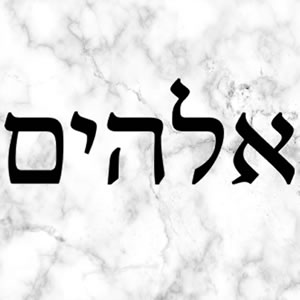 Who is Elohim?
Elohim in the Hebrew Bible refers to deities, and is one of the many names or titles for God in the Hebrew Bible. The word is identical to the plural of el, meaning gods or magistrates, and is used for the pantheon of Canaanite gods, the children of El, and conventionally vocalized as "Elohim". The notion of divinity underwent radical changes in the early period of Israelite identity and development of Ancient Hebrew religion. The ambiguity of the term elohim is the result of such changes, cast in terms of "vertical translatability", i.e. the re-interpretation of the gods from 7th century BC, Judah to the emergence of monotheist Rabbinical Judaism in the 2 AD.
Who is GOD?In monotheism and henotheism, God is conceived as the Supreme Being and principal object of faith. The concept of God as described by theologians commonly includes the attributes of omniscience (infinite knowledge), omnipotence (unlimited power), omnipresence (present everywhere), omnibenevolence (perfect goodness), divine simplicity, and eternal and necessary existence. In theism, God is the creator and sustainer of the universe In deism, God is the creator, but not the sustainer, of the universe Monotheism is the belief in the existence of one God or in the oneness of God In pantheism, God is the universe itself In atheism, God is purported not to exist, while deemed unknown or unknowable within the context of agnosticism.