423 views
·
Last viewed: 2 weeks ago
Uploaded: 21 Sep 2009 (17 years ago) · Shared: 26 Feb 2019
Duration: 11:00
Uploaded: 21 Sep 2009 (17 years ago) · Shared: 26 Feb 2019
Duration: 11:00
Youtube Description
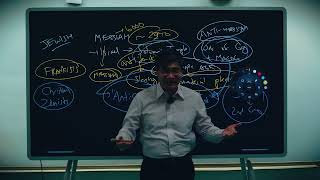
[ See all our videos at http://www.youtube.com/profile?user=TruthOrTradition&view=videos ] * Watch this series under our playlists link or click thislink * http://www.youtube.com/view_play_list?p=DEF49BE0EDAAEAA9 John W. Schoenheit of Spirit & Truth Fellowship International ( http://www.stfonline.org ) teaches on 'The Canon of Scripture: How the Bible Came to be.'
For further study see:
Our free online book, The Bible: You Can Believe It! at http://www.TruthOrTradition.com/bible
Historically Verifiable Prophecies in the Bible at http://www.TruthOrTradition.com/historical
Aren't some of the books of the Bible lost or missing? at http://www.TruthOrTradition.com/lost
Articles, videos, and audio teachings on the Keys to Understanding the Bible at http://www.TruthOrTradition.com/keys
Also, check out our free online Bible study guide at http://www.TruthOrTradition.com/guide
See our website: http://TruthOrTradition.com
See our main ministry website: http://STFonline.org
Give financially to our ministry at: http://STFonline.org/Partnership
Follow us on Twitter---------------------------------http://Twitter.com/TruthTradition
Like us on Facebook--------------------------------http://Facebook.com/TruthOrTradition
Subscribe to our iTunes Video podcast------http://TruthOrTradition.com/itunes
Subscribe to our iTunes Audio podcast------http://STFonline.org/podcast
Explore More
John Schoenheit The Bible CodexSearch Google Search Explore Topics
 Who are John Schoenheit?
BiblicalUnitarian serves as the digital media outlet for BiblicalUnitarian.com, a web resource operated in connection with Christian ministries like Spirit & Truth Fellowship International. The channel focuses on teaching non-Trinitarian theology based directly on Scripture.
What is The Bible?The Bible is a canonical collection of texts sacred in Judaism and Christianity. There is no single "Bible" and many Bibles with varying contents exist. The term Bible is shared between Judaism and Christianity, although the contents of each of their collections of canonical texts is not the same. Different religious groups include different books within their Biblical canons, in different orders, and sometimes divide or combine books, or incorporate additional material into canonical books. The Hebrew Bible, or Tanakh, contains 24 books. Christian Bibles range from the 66 books of the Protestant canon to the 81 books of the Ethiopian Orthodox Church canon. The first part of Christian Bibles is the Old Testament, which contains, at minimum, the 24 books of the Hebrew Bible divided into 39 books and ordered differently from the Hebrew Bible. The Catholic Church and Eastern Christian churches also hold certain deuterocanonical books and passages to be part of the Old Testament canon. The second part is the New Testament, containing 27 books: the 4 Canonical gospels, Acts of the Apostles, 21 Epistles or didactic letters, and the Book of Revelation.
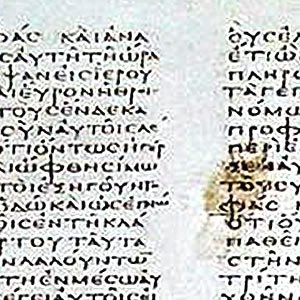 What is Codex?
A codex is a book constructed of a number of sheets of paper, vellum, papyrus, or similar materials. The term is now usually only used of manuscript books, with hand-written contents, but describes the format that is now near-universal for printed books in the Western world.