469 views
·
Last viewed: 2 days ago
Uploaded: 06 Jan 2016 (11 years ago) · Shared: 04 Feb 2019
Duration: 6:06
Uploaded: 06 Jan 2016 (11 years ago) · Shared: 04 Feb 2019
Duration: 6:06
Youtube Description
RZIM's Nabeel Qureshi makes a misleading argument for the trinity dea based on the word 'Elohim'. Sean Finnegan tells us what Nabeel Qureshi did notFor more responses to Nabeel Qureshi:
http://thefactsaboutislam.blogspot.co.uk/search/label/Nabeel%20Qureshi
Clip of Sean from: Elohim Explained - Hebrew Word for God - Sean Finnegan & J. Dan Gill
All clips used in accordance with Fair Use. No Copyright infringement. No commercial intent.
Contact email address: yahyasnow@yahoo.co.uk
Explore More
Elohim Yahweh GOD SinSearch Google Search Explore Topics
 Who is Elohim?
Elohim in the Hebrew Bible refers to deities, and is one of the many names or titles for God in the Hebrew Bible. The word is identical to the plural of el, meaning gods or magistrates, and is used for the pantheon of Canaanite gods, the children of El, and conventionally vocalized as "Elohim". The notion of divinity underwent radical changes in the early period of Israelite identity and development of Ancient Hebrew religion. The ambiguity of the term elohim is the result of such changes, cast in terms of "vertical translatability", i.e. the re-interpretation of the gods from 7th century BC, Judah to the emergence of monotheist Rabbinical Judaism in the 2 AD.
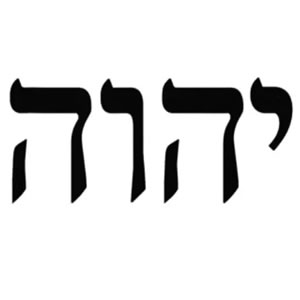 Who is Yahweh?
Yahweh was the national god of the Iron Age kingdoms of Israel (Samaria) and Judah. His exact origins are disputed, although they reach back to the early Iron Age and even the Late Bronze: his name may have begun as an epithet of El, head of the Bronze Age Canaanite pantheon, but the earliest plausible mentions of Yahweh are in Egyptian texts that refer to a similar-sounding place name associated with the Shasu nomads of the southern Transjordan. In the oldest biblical literature, Yahweh is a typical ancient Near Eastern "divine warrior", who leads the heavenly army against Israel's enemies; he later became the main god of the Kingdom of Israel (Samaria) and of Judah, and over time the royal court and temple promoted Yahweh as the god of the entire cosmos, possessing all the positive qualities previously attributed to the other gods and goddesses.
 Who is GOD?
In monotheism and henotheism, God is conceived as the Supreme Being and principal object of faith. The concept of God as described by theologians commonly includes the attributes of omniscience (infinite knowledge), omnipotence (unlimited power), omnipresence (present everywhere), omnibenevolence (perfect goodness), divine simplicity, and eternal and necessary existence. In theism, God is the creator and sustainer of the universe In deism, God is the creator, but not the sustainer, of the universe Monotheism is the belief in the existence of one God or in the oneness of God In pantheism, God is the universe itself In atheism, God is purported not to exist, while deemed unknown or unknowable within the context of agnosticism.
What is Sin?In Abrahamic contexts, sin is the act of violating God's will. Sin can also be viewed as anything that violates the ideal relationship between an individual and God; or as any diversion from the ideal order for human living. To sin has been defined as "to miss the mark". Sins fall in a spectrum from minor errors to deadly misdeeds. Catholicism regards the least corrupt sins as venial sins which are part of human living and carry immediate consequences on earth, and, if unrepented for, more painful purgation, assuming the person is destined to heaven, as it is written in the formation letter "Purgatory", "most of the early Fathers of the Church speak of a cleansing fire, though we cannot tell whether this means actual or spiritual fire." Conversely, sins of great evil are mortal sins which bring the consequence of hell if they are not addressed either through an act of perfect contrition or going to confession about them.