Uploaded: 23 Jan 2019 (8 years ago) · Shared: 26 Jan 2019
Duration: 2:38
Video Description
Explore a fascinating chapter of early history as Godless Engineer examines the compelling story behind the "Slave Bible," first published in 1807. Following major historical events like the Haitian Revolution, certain slave owners in the American South sought to spread Christian faith while strictly controlling the narrative. This heavily edited version redacted foundational scriptures, intentionally omitting passages focused on liberation, freedom, and equality, while preserving text that emphasized obedience.
Understanding this unique artifact offers vital context into how religious texts, church influence, and spiritual reminders were historically navigated and altered for social control. Godless Engineer dives deep into this redacted Bible to reveal how power dynamics shaped religious education during a dark era. Watch to gain an insightful, historically grounded perspective on scripture, religious history, and the complex relationship between faith and freedom.
Explore More
Godless Engineer Slave Bible Slave GODSearch Google Search Explore Topics
 Who are Godless Engineer?
Godless, Independent thinking Southerner living in North Alabama surviving in the Christian 'wasteland' one day at a time. Born and raised in North Alabama, John Gleason has a Bachelor's Degree in Computer Engineering and a Master's Degree in Software Engineering.
 What is Slave Bible?
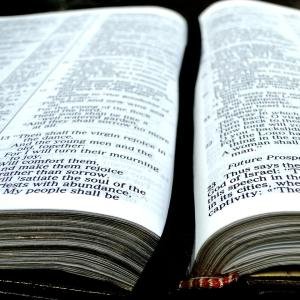
A slave bible is a bible specifically edited to serve for enslaved Christians. They were produced in England in the early 19th century for use in the British West Indies, when they were colonies of the British Empire. Such bibles had all "references to freedom and escape from slavery" removed, while passages "encouraging obedience and submission were emphasized.
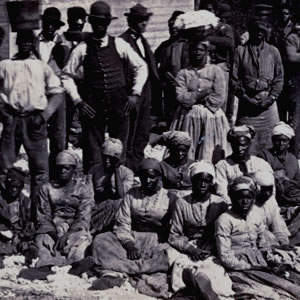 What is Slave?
Slavery is any system in which principles of property law are applied to people. Thus allowing individuals to own, buy and sell other individuals, as a de jure form of property. A slave is unable to withdraw unilaterally from such an arrangement and works without remuneration. Slavery began to exist before written history, in many cultures. A person could become enslaved from the time of their birth, capture, or purchase. While slavery was institutionally recognized by most societies, it has now been outlawed in all recognized countries, the last being Mauritania in 2007. Nevertheless, there are an estimated 45.8 million people subject to some form of modern slavery worldwide.
 Who is GOD?
In monotheism and henotheism, God is conceived as the Supreme Being and principal object of faith. The concept of God as described by theologians commonly includes the attributes of omniscience (infinite knowledge), omnipotence (unlimited power), omnipresence (present everywhere), omnibenevolence (perfect goodness), divine simplicity, and eternal and necessary existence. In theism, God is the creator and sustainer of the universe In deism, God is the creator, but not the sustainer, of the universe Monotheism is the belief in the existence of one God or in the oneness of God In pantheism, God is the universe itself In atheism, God is purported not to exist, while deemed unknown or unknowable within the context of agnosticism.