Uploaded: 17 Sep 2015 (11 years ago) · Shared: 10 Aug 2018
Duration: 8:06
Video Description
Did you know the story of Prophet Noah ’s Ark shares deep connections with ancient Mesopotamian flood legends? In this captivating video, scholar Robert Cargill explores how the biblical narrative rivals earlier flood myths found in the Epic of Gilgamesh, Ziusudra, and Atra-Hasis. By examining these early history traditions, Cargill reveals how director Darren Aronofsky drew from diverse pre-biblical, scriptural, and post-biblical sources to shape his 2014 cinematic adaptation.
This insightful presentation offers a rich journey through comparative religion, archaeology, and sacred texts, bridging classical literature with foundational scriptures like the Bible, Torah, and parallel accounts in Islamic tradition. Whether you are a student of faith, history, or theology, understanding these shared ancient flood mythologies provides valuable perspective on how different cultures preserved messages of divine judgment, endurance, and hope. Watch now to deepen your knowledge of biblical origins and comparative scripture.
Explore More
Robert Cargill Gilgamesh Noahs Ark Flood NOAH
NOAH
Search Google Search Explore Topics
 Who is Robert Cargill?
Robert Raymond Cargill is Assistant Professor of Classics and Religious Studies at The University of Iowa. He is a biblical studies scholar, classicist, archaeologist, author, and digital humanist. Cargill's research includes study in the Qumran and the Dead Sea Scrolls, literary criticism of the Bible and the Pseudepigrapha, and the Ancient Near East.
Who was Gilgamesh?The Epic of Gilgamesh is an epic from ancient Mesopotamia. The literary history of Gilgamesh begins with five Sumerian poems about Gilgamesh. It is held that the Biblical Genesis flood narrative matches that in Gilgamesh so closely that "few doubt" that it derives from a Mesopotamian account. What is particularly noticeable is the way the Genesis flood story follows the Gilgamesh flood tale "point by point and in the same order", even when the story permits other alternatives. In a 2001 Torah commentary released on behalf of the Conservative Movement of Judaism, rabbinic scholar Robert Wexler stated: "The most likely assumption we can make is that both Genesis and Gilgamesh drew their material from a common tradition about the flood that existed in Mesopotamia. These stories then diverged in the retelling. Noah is the respective hero of the biblical flood legend of the ancient Near East.
Where is Noahs Ark?Noah's Ark is the boat in the Genesis flood narrative through which God spares Noah, his family, and pairs of each land animal in the world from a global deluge. The story in Genesis is based on earlier Mesopotamian flood myths. The myth of the global flood that destroys all life begins to appear in the Old Babylonian Empire period (20th-16th centuries BCE). The version closest to the biblical story of Noah, as well as its most likely source, is that of Utnapishtim in the Epic of Gilgamesh. Scholars note shared themes, dimensions, and language but different causes for the flood. Scholars also link its structure to the Jewish Temple.
 What is Flood?
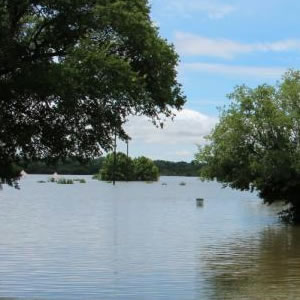
A flood is a myth in which a great flood, usually sent by a deity or deities, destroys civilization, often in an act of divine retribution. Parallels are often drawn between the flood waters of these myths and the primeval cosmic ocean which appear in certain creation myths, as the flood waters are described as a measure for the cleansing of humanity, for example in preparation for rebirth. Most flood myths also contain a culture hero, who "represents the human craving for life". The oldest known narrative of a divinely initiated flood originates from the Sumerian culture in Mesopotamia, among others expressed in the Akkadian Atra-Hasis epic, which dates to the 18th century BCE. Comparable flood narratives appear in many other cultures, including the biblical Genesis flood narrative, manvantara-sandhya in Hinduism, Deucalion and Pyrrha in Greek mythology, also the Cheyenne, Blackfeet and Puebloan traditions.