Video Description:
Explore the profound and tragic story of the Rohingya people in the documentary, "Rohingya Cleansing in Arakan of Burma." This compelling film delves into the historical and contemporary challenges faced by the Rohingya Muslim community, shedding light on their struggle for basic human rights and dignity. Drawing on Islamic teachings of justice, compassion, and resilience, the documentary offers a powerful narrative that resonates with followers of all faiths, including Judaism, Christianity, and Islam. Through interviews, archival footage, and on-the-ground reporting, viewers gain a deeper understanding of the humanitarian crisis and the moral imperative to stand against injustice. Watch now to learn more and be inspired to make a difference.
Explore More
 What is a Documentary?
A documentary film or documentary is a non-fiction motion picture intended to document reality. This is primarily intended for instruction, education or maintaining a historical record.
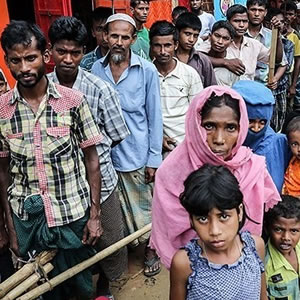 What is Rohingya?
The Rohingya people are a stateless Indo-Aryan-speaking people who reside in Rakhine State, Myanmar (also known as Burma). There were an estimated about 1 million Rohingya living in Myanmar before the 2016-17 crisis. On 22 October 2017, the UN
reported that an estimated 603,000 refugees from Rakhine, Myanmar, had crossed the border into Bangladesh since August 25, 2017. This number increased to 624,000 by November 2, 2017, and over 625,000 by December 6, 2017. The majority are Muslim while a minority are Hindu.
 What is Sin?
In Abrahamic contexts, sin is the act of violating God's will. Sin can also be viewed as anything that violates the ideal relationship between an individual and God; or as any diversion from the ideal order for human living. To sin has been defined
as "to miss the mark".
Sins fall in a spectrum from minor errors to deadly misdeeds. Catholicism regards the least corrupt sins as venial sins which are part of human living and carry immediate consequences on earth, and, if unrepented for, more painful purgation, assuming the person is destined to heaven, as it is written in the formation letter "Purgatory", "most of the early Fathers of the Church speak of a cleansing fire, though we cannot tell whether this means actual or spiritual fire."
Conversely, sins of great evil are mortal sins which bring the consequence of hell if they are not addressed either through an act of perfect contrition or going to confession about them.