Uploaded: 09 Apr 2018 (9 years ago) · Shared: 11 Apr 2018
Duration: 11:28
Video Description
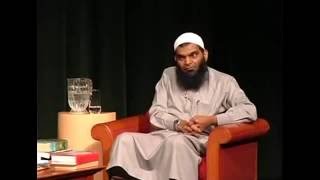
In this compelling comparative religion discussion, renowned speaker Yusuf Estes explores the linguistic and historical connections between sacred texts, specifically examining how terms for the Creator relate to foundational scriptures like Genesis 1:1 and Prophet John 3:16. By investigating shared linguistic roots within the Quran Bible narrative, this insightful presentation offers profound spiritual reminders for seekers of truth across Islam, Christianity, and Judaism. Viewers gain a clearer understanding of how ancient Semitic languages bridge the traditions of the Torah, the Christian Gospels, and Islamic theology.
Whether you are studying early history, exploring comparative religion, or looking for practical Islamic guidance, Yusuf Estes provides a respectful, thought-provoking perspective on monotheistic faith. Discover how central concepts of God transcend cultural and linguistic boundaries, encouraging believers of all backgrounds to reflect deeply on divine unity. Watch to enrich your personal faith journey and deepen your understanding of universal scriptural truths.
Explore More
Yusuf Estes The Bible AllahSearch Google Search Explore Topics
 Who is Yusuf Estes?
Yusuf Estes (born Joseph Estes, 1944) is an American preacher from Texas who converted from Christianity to Islam in 1991. He claims to have been a Muslim Chaplain for the United States Bureau of Prisons through the 1990s, and to have served a delegate to the United Nations World Peace Conference for Religious Leaders held at the U.N. in September 2000. Estes is the founder and president of Guide US TV, a free-to-air Internet and satellite TV channel, which broadcasts programs about Islam.
 What is The Bible?
The Bible is a canonical collection of texts sacred in Judaism and Christianity. There is no single "Bible" and many Bibles with varying contents exist. The term Bible is shared between Judaism and Christianity, although the contents of each of their collections of canonical texts is not the same. Different religious groups include different books within their Biblical canons, in different orders, and sometimes divide or combine books, or incorporate additional material into canonical books. The Hebrew Bible, or Tanakh, contains 24 books. Christian Bibles range from the 66 books of the Protestant canon to the 81 books of the Ethiopian Orthodox Church canon. The first part of Christian Bibles is the Old Testament, which contains, at minimum, the 24 books of the Hebrew Bible divided into 39 books and ordered differently from the Hebrew Bible. The Catholic Church and Eastern Christian churches also hold certain deuterocanonical books and passages to be part of the Old Testament canon. The second part is the New Testament, containing 27 books: the 4 Canonical gospels, Acts of the Apostles, 21 Epistles or didactic letters, and the Book of Revelation.
 Who is Allah?
Allah is the Arabic word for God in Abrahamic religions. In the English language, the word generally refers to God in Islam. The word is thought to be derived by contraction from al-ilah, which means 'the god', and is related to El and Elah, the Hebrew and Aramaic words for God. The word Allah has been used by Arabic people of different religions since pre-Islamic times. More specifically, it has been used as a term for God by Muslims (both Arab and non-Arab) and Arab Christians.