Uploaded: 04 Jan 2012 (15 years ago) · Shared: 10 Nov 2017
Duration: 9:57
Video Description
Uncover the deep intersections of religious history and ancient manuscripts in this engaging audio reading of The Crucifixion of Truth by Tony Bushby. As the second entry in the "Hidden Church Scrolls" series, this presentation explores historical perspectives that touch upon foundational themes within Christianity, Islam, and Jewish traditions. By examining sacred texts, early history, and lost records, the video provides thought-provoking insights into how historical narratives shaped modern faith, scriptures, and spiritual understanding across the Bible, Torah, and classical religious literature.
Ideal for scholars, history enthusiasts, and seekers of spiritual reminders, this reading encourages respectful dialogue among followers of Judaism, Christianity, and Islam. Dive into this captivating exploration of early Church history, theological evolution, and hidden scrolls to deepen your knowledge of global religious heritage and the shared quest for truth.
Explore More
Tony Bushby Crucifixion ChurchSearch Google Search Explore Topics
 Who is Tony Bushby?
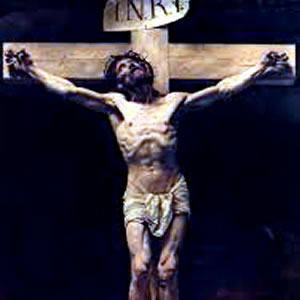 What is Crucifixion?
Crucifixion is a method of capital punishment in which the victim is tied or nailed to a large wooden beam. The victim is left to hang for several days until eventual death from exhaustion and asphyxiation. The crucifixion of Jesus is a central narrative in Christianity, and the cross (sometimes depicting Jesus nailed onto it) is the main religious symbol for many Christian churches. The English term cross derives from the Latin word crux. The Latin term crux classically referred to a tree or any construction of wood used to hang criminals as a form of execution. The term later came to refer specifically to a cross.
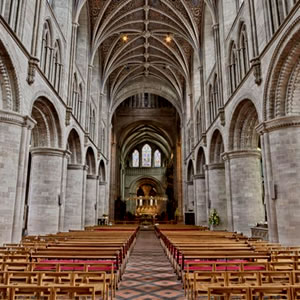 What is the Church?
A church is a building used for Christian worship services and Christian activities. The earliest identified Christian church is a house church founded between 233 AD and 256 AD. The word church also describes a body or assembly of Christian believers, while "the Church" refers to the worldwide Christian religious community.