Uploaded: 30 Aug 2010 (16 years ago) · Shared: 01 Aug 2017
Duration: 5:45
Video Description
In this insightful video, Greg Boyd delves into the profound impact of Constantine’s pagan influence on Christianity, exploring how historical and cultural factors shaped the early Church. This discussion is crucial for understanding the intersection of faith and power in the early history of Christianity. By examining these influences, viewers can gain a deeper appreciation for the complexities that have shaped Christian doctrines and practices. This video offers valuable spiritual reminders and historical context that are relevant not only to Christians but also to those interested in the interplay between different religious traditions, including Judaism and Islam. Join Greg Boyd as he navigates this fascinating topic with respect and insight.
Explore More
Christianity Constantine Greg Boyd PaganSearch Google Search Explore Topics
 What is Christianity?
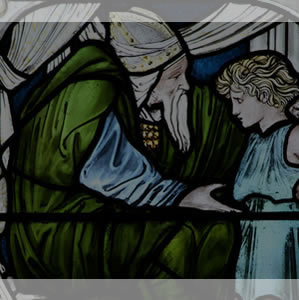
Christianity is a global religion centered on the life and teachings of Jesus Christ, who followers believe is the Son of God. It's a monotheistic faith, meaning Christians believe in one God who exists in three co-equal persons: God the Father, God the Son (Jesus Christ), and the Holy Spirit. Christianity is based on the Bible, with the Old Testament and New Testament serving as sacred texts.
 Who was Constantine?
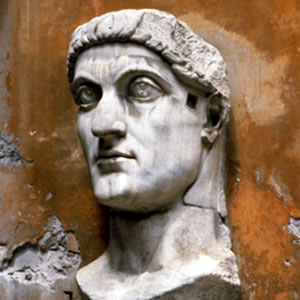
Constantine the Great (27 February 272 AD-22 May 337 AD) was a Roman Emperor who ruled between 306 and 337 AD. Born on the territory now known as Nis, located in Serbia, he was the son of Flavius Valerius Constantius, a Roman Army officer of Illyrian origins. His mother Helena was Greek. His father became Caesar, the deputy emperor in the west, in 293 AD. Constantine was sent east, where he rose through the ranks to become a military tribune under Emperors Diocletian and Galerius. Constantine was the first Roman emperor to convert to Christianity. Although he lived most of his life as a pagan, he joined the Christian faith on his deathbed, being baptised by Eusebius of Nicomedia. He played an influential role in the proclamation of the Edict of Milan in 313, which declared religious tolerance for Christianity in the Roman empire. He called the First Council of Nicaea in 325 AD that produced the statement of Christian belief known as the Nicene Creed.
 Who is Greg Boyd?
Gregory Boyd (born 1957) is an American theologian, pastor, and author. Boyd is Senior Pastor of Woodland Hills Church in St. Paul, Minnesota and President of Reknew.org. He is one of the leading spokesmen in the growing Neo-Anabaptism movement, which is based in the tradition of Anabaptism and advocates Christian pacifism and a non-violent understanding of God. Boyd has also long been known as a leading advocate of open theism.He is a noted Christian anarchist and is known for his writings on the relationship between Christianity and politics. In 2010, Boyd was listed as one of the twenty most influential living Christian scholars. In addition to the New York Times, Boyd has also made appearances on CNN, NPR, the BBC, and The Charlie Rose Show.
 What is Pagan?
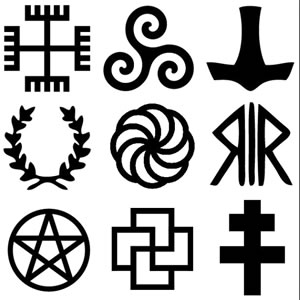
Paganism is a term first used in the fourth century by early Christians. It was applied on populations of the Roman Empire who practiced polytheism, either because they were increasingly rural and provincial relative to the Christian population or because they were not milites Christi (soldiers of Christ). Alternate terms in Christian texts for the same group were hellene, gentile, and heathen. Pagan and paganism were pejorative terms for the same polytheistic group, implying its inferiority. Paganism has broadly connoted the "religion of the peasantry", and for much of its history was a derogatory term. Both during and after the Middle Ages, pagan was a pejorative term that was applied to any non-Abrahamic or unfamiliar religion, and the term presumed a belief in false god(s).