Youtube Description:
Kamal El Mekki explains the very different understanding of the notions of slavery
in Islam, and that found in contemporary Western mindsets. He goes on to explain
how Islam worked to eradicate slavery, and finally gave so many rights to those
enslaved that the practice has all but disappeared.
_______________
ABOUT THE SPEAKER -
Kamal El Mekki has been dubbed the Black Belt of Dawah. With decades of experience in the Dawah scene, Shaykh Kamal combines his ground-breaking teaching style with his own dash of humour, certain to leave students feel at ease & entertained, but above all skilled and empowered.
Shaykh Kamal is known best for his workshop 'How to Give Shahadah in 10 Minutes', a 6-hour workshop designed to empower MSAs and Dawah organizations in the art of Dawah. His lectures and online videos (targeting contemporary challenges) have also gained popular fame and positive impact among Muslims and non-Muslims alike. Educated at the hands of numerous prominent Islamic scholars from across the world, Shaykh Kamal also has dynamic experience in the secular world.
_________________
Follow us on:
Kamal El Mekki explains the very different understanding of the notions of slavery
in Islam, and that found in contemporary Western mindsets. He goes on to explain
how Islam worked to eradicate slavery, and finally gave so many rights to those
enslaved that the practice has all but disappeared.
_______________
ABOUT THE SPEAKER -
Kamal El Mekki has been dubbed the Black Belt of Dawah. With decades of experience in the Dawah scene, Shaykh Kamal combines his ground-breaking teaching style with his own dash of humour, certain to leave students feel at ease & entertained, but above all skilled and empowered.
Shaykh Kamal is known best for his workshop 'How to Give Shahadah in 10 Minutes', a 6-hour workshop designed to empower MSAs and Dawah organizations in the art of Dawah. His lectures and online videos (targeting contemporary challenges) have also gained popular fame and positive impact among Muslims and non-Muslims alike. Educated at the hands of numerous prominent Islamic scholars from across the world, Shaykh Kamal also has dynamic experience in the secular world.
_________________
Follow us on:
Explore More
 Who is Kamal El Mekki?
Kamal El Mekki delivers Islamic lectures and online videos. He focuses on targeting contemporary challenges and gained popular fame and positive impact among Muslims and non-Muslims alike. Educated at the hands of numerous prominent Islamic scholars
from across the world, El Mekki also has dynamic experience in the secular world.
 What is Slavery?
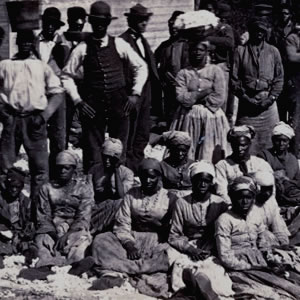
Slavery is any system in which principles of property law are applied to people. Thus allowing individuals to own, buy and sell other individuals, as a de jure form of property. A slave is unable to withdraw unilaterally from such an arrangement and
works without remuneration. Slavery began to exist before written history, in many cultures. A person could become enslaved from the time of their birth, capture, or purchase. While slavery was institutionally recognized by most societies, it has now been outlawed in all recognized countries, the last being Mauritania in 2007. Nevertheless, there are an estimated 45.8 million people subject to some form of modern slavery worldwide.
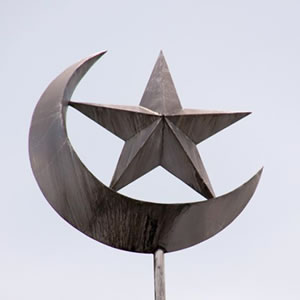 What is Islam?
One of the major religions of the world, Islam literally translates to "submission," as a follower of Islam (Muslims) devotes their life to that of their God. The religion began with the teachings of Muhammad in the 7th century. The theology of Islam
is based on the Qur'an, which was given to Muhammad by God. Some of the major fundamental principles of Islam include the Five Pillars, which hope to unite all Muslims into a community. Two different factions of Muslims exist - the majority are known as Sunni, with a small percentage known as Shi'a - both predominantly reside throughout the Middle East.
Muhammad died in 632 AD and the religion of Islam formally started after his death. The Quran was formally compiled and finalised in 650 AD, prior to which it was 'memorised' and written across many parchments.