40:18
706 views
·
Last viewed: 21 hrs ago
Uploaded: 04 Dec 2016 (10 years ago) · Shared: 05 Dec 2016
Video Description (from Youtube)
Muslim asks Rabbi Tovia Singer whether the Torah forbids the serious act of ‘shirk,’ the sin of ascribing and worshiping partnerships with God, which the Quran regards as an unpardonable sin. RabbiTovia Singer explains why Trinitarian Christians violate this prohibition despite numerous warnings in the Torah against this grave practice.
https://outreachjudaism.org/ http://www.toviasinger.tv/
DISCLAIMER
All videos are shared for educational and information purposes only. All videos are hosted and viewable on Youtube servers. Video titles are generated using the original video title; overall content theme including actual dialogue and speech (Transcript); and A.I-based recommendations with a focus on SEO, keyword density, and internal search functions. The video title does not represent the views held by the Youtube video uploader, or any individual, organisation or business.
If you spot any mistake, omission or give feedback, kindly Contact Us with details
EXPLORE TOPICS :
TORAH |
47
TOVIA SINGER |
145
IDOLATORY |
14
CHRISTIANITY |
236
CHRISTIAN |
883
SIN |
0
Overview & Key Concepts
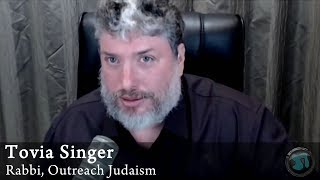
Who is Tovia Singer?
 Tovia Singer (born 1960) is a Jewish rabbi. Singer is the founder and director of Outreach Judaism, Indonesia.
What is Idolatory?
 Idolatry literally means the worship of an "idol" such as a statue or icon. In Abrahamic religions, namely Christianity, Islam and Judaism, idolatry
connotes the worship of something or someone other than God as if it were God. In these and several other monotheistic religions, idolatry has been considered as the "worship of false gods" and is forbidden. In the traditional religions of ancient Egypt, Greece, Rome, Africa, Asia, the Americas and elsewhere, the reverence of an image or statue has been a common practice, and cult images have carried different meanings and significance. The definition of idolatry has been a contested topic within Abrahamic religions, with some Muslims considering the worship of Jesus Christ; the Christian use of the cross as a symbol of Christ; and of Madonna (Mary) in some churches, as forms of idolatry.
What is Christian?
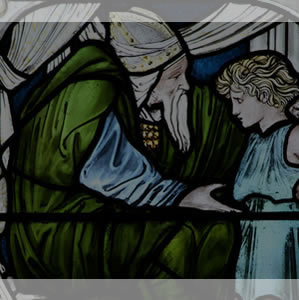 Christianity is a global religion centered on the life and teachings of Jesus Christ, who followers believe is the Son of God. It's a monotheistic
faith, meaning Christians believe in one God who exists in three co-equal persons: God the Father, God the Son (Jesus Christ), and the Holy Spirit. Christianity is based on the Bible, with the Old Testament and New Testament serving as sacred texts.
What is the Torah?
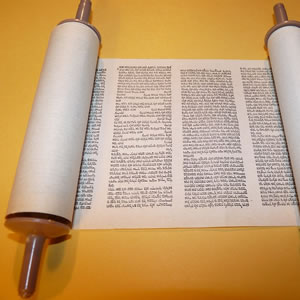 Torah, "Instruction", "Teaching" or "Law" has a range of meanings. Common to all these meanings, Torah consists of the origin of Jewish peoplehood:
their call into being by God, their trials and tribulations, and their covenant with their God, which involves following a way of life embodied in a set of moral and religious obligations and civil laws. In rabbinic literature the word Torah denotes both the five books "Torah that is written" and the Oral Torah "Torah that is spoken". The Oral Torah consists of interpretations and amplifications which according to rabbinic tradition have been handed down from generation to generation and are now embodied in the Talmud and Midrash. According to rabbinic tradition, all of the teachings found in the Torah, both written and oral, were given by God through the prophet Moses, some at Mount Sinai and others at the Tabernacle, and all the teachings were written down by Moses, which resulted in the Torah that exists today. The majority of Biblical scholars believe the written books were a product of the Babylonian captivity (c. 600 BCE), based on earlier written and oral traditions, which could only have arisen from separate communities within ancient Israel, and that it was completed by the period of Achaemenid rule (c. 400 BCE).
Frequently Asked Questions
1.According to Apostle Paul, why did God give Jews the Torah?
Paul viewed the Torah as a temporary guide, claiming it was given to the Jews until they could be saved through faith in Jesus Christ.
2.When was the Torah written?
Mainstream biblical scholarship tracks the composition of the Torah (the first five books of the Bible) through a gradual process starting from traditional Mosaic oral codes to written records compiled during the mid-to-late 1st millennium BCE. While early fragments exist in ancient archaeological discoveries like the Dead Sea Scrolls, the authoritative text was systematically finalized and preserved by Jewish scribes over centuries of scriptural copy transmissions.
3.Does the Quran tell Jews and Christians to refer to their Scriptures (Torah and Bible)?
Yes, the Quran references previous scriptures in passages like Surah Al-Ma'idah (5:47), which tells the followers of the Gospel to judge by what God has revealed in it. From an academic perspective, this reflects the historical context of 7th-century Medina, where Jews and Christians were recognized as 'People of the Book' who possessed divine laws. While Islamic theology holds that modern biblical texts have suffered from textual corruption (tahrif), the Quran historically appeals to the core monotheistic truths remaining in those scriptures to validate Muhammad's message.
Videos on Tovia Singer (146)
 15:13
15:13
856
1441324800
1787032925
Is Christianity and Islam idolatry? - Tovia Singer
000913
1
 40:18
40:18
706
1480896000
1787078206
Why do Christians ignore the Torah's Prohibition of Idolatory? - Tovia Singer
002418
2
 22:45
22:45
912
1480896000
1787135457
What is the Jewish view on the Christian Trinity - Tovia Singer
001365
3
 12:24
12:24
612
1480896000
1787118003
Why are New Testament books in non-chronological order? - Tovia Singer
000744
4
 24:21
24:21
714
1480896000
1787081926
Why did later Christians change the Gospels? - Tovia Singer
001461
5
 22:53
22:53
590
1480896000
1787096265
Why do the Gospels routinely contradict each other? - Tovia Singer
001373
6
 39:53
39:53
652
1480896000
1787114641
In Psalm 22:16, how did the Church show the Crucifixion of Jesus? - Tovia Singer
002393
7
 15:34
15:34
613
1480896000
1787080570
Why does the Quran call the Jews 'Apes'? - Tovia Singer
000934
8
 11:59
11:59
747
1482796800
1787132021
Mystery of the Christian Trinity - William Lane Craig vs Tovia Singer
000719
9
 5:25
5:25
462
1482796800
1786991161
Who authored the New Testament? - Tovia Singer
000325
10
 20:10
20:10
654
1482796800
1787151364
In Gospel of John, why was Jesus nailed to a Cross? - Tovia Singer
001210
11
 30:02
30:02
962
1482796800
1787103734
Did Apostle Paul read the Jewish Hebrew Bible? - Tovia Singer
001802
12
 19:24
19:24
280
1482796800
1786996404
Did Jesus die on the Cross in 6-hours? - Tovia Singer
001164
13
 26:01
26:01
578
1483401600
1787149283
Jewish Scripture translated from Hebrew to 'Toxic' English - Tovia Singer
001561
14
 36:26
36:26
919
1483401600
1787150176
In the Quran, why does God say Jews are more hostile towards Muslims than Christians? - Tovia Singer
002186
15
 13:01
13:01
622
1483401600
1787109340
Why do Muslims commit Idolatory and pray to the Kabah? - Tovia Singer
000781
16
 43:07
43:07
485
1483401600
1787075511
In Daniel 7:13, is Jesus 'The Son of Man'? - Tovia Singer
002587
17
 1:30:34
515
1483401600
1787085098
Was Jesus the promised Jewish Messiah? - Craig Evans vs Tovia Singer
005434
18

343 views
17:39
343
1483401600
1787056266
Who was Jesus? - Tovia Singer
001059
19
 5:39
5:39
618
1483401600
1787090283
How did Abraham observe the Torah when it was first given to Moses? - Tovia Singer
000339
20
 20:46
20:46
792
1483401600
1787102962
In Christianity, Jesus died for our sins. So are Christians today thankful to Jews for killing Jesus? - Tovia Singer
001246
21
 7:49
7:49
366
1485820800
1787071625
Abraham defeated his enemies at the Gate of Dan - Tovia Singer
000469
22
 8:48
8:48
757
1485820800
1787150850
Life of a Jewish Rabbi in Indonesia, the largest Muslim country? - Tovia Singer
000528
23
 1:46:02
620
1485820800
1787090509
Is Jesus prophesied in Jewish Scripture? - Tovia Singer vs Paul Humbler
006362
24
 42:01
42:01
478
1487808000
1787106991
Did Jesus die for your sins? - Tovia Singer
002521
25
 16:18
16:18
477
1487808000
1787112506
How can Jesus be both God and human? - Tovia Singer
000978
26
 12:26
12:26
549
1487808000
1787124099
In Psalm 2:12 does God say 'Kiss the Son'? - Tovia Singer
000746
27
 19:06
19:06
482
1487808000
1787126845
In Psalm 110:1, does GOD call Jesus a God? - Tovia Singer
001146
28
 1:18:56
819
1487808000
1787135809
Is the Christian Trinity from the Bible? - Tovia Singer
004736
29
 5:40
5:40
572
1487808000
1787119827
As John 1:1 and Genesis 1:1 agree, Jesus must be God - Tovia Singer
000340
30
 8:59
8:59
740
1487808000
1787120227
In Jeremiah 7:21, does blood sacrifice lead to salvation? - Tovia Singer
000539
31
 11:39
11:39
1168
1487808000
1787116093
Why Christianity is the gravest form of Idolatry - Tovia Singer
000699
32
 27:55
27:55
991
1487808000
1787098679
How did Apostle Paul corrupt Jewish scriptures? - Tovia Singer
001675
33
 36:48
36:48
746
1487808000
1787120799
Is the New Testament Bible true? - Tovia Singer
002208
34
 12:40
12:40
850
1487808000
1787121754
Is Trinity supported in the Bible? - Tovia Singer vs William Lane Craig
000760
35
 20:58
20:58
861
1490659200
1787087670
In Isaiah 9:6, is Jesus the Mighty God? - Tovia Singer
001258
36
 50:27
50:27
494
1490659200
1787141399
Troubling Passages in the Gospels - Tovia Singer
003027
37
 30:50
30:50
525
1490659200
1786547466
In Hebrews 9:22, is Blood necessary for Atonement of Sin? - Tovia Singer
001850
38
 9:21
9:21
934
1490659200
1787128748
In 1 John 5:8, the Church corrupted the New Testament to support the Christian Trinity - Tovia Singer
000561
39
 8:15
8:15
766
1490659200
1787052935
In Quran 9:30, God says the Jews took Ezra as the Son of God? - Tovia Singer
000495
40
 12:11
12:11
581
1490659200
1787134472
Do Muslims worship Muhammad like Christians worship Jesus? - Tovia Singer
000731
41
 18:30
18:30
591
1490659200
1787091300
In Matthew 2:15, Out of Egypt I called my son - Is this referring to Jesus? - Tovia Singer
001110
42
 15:15
15:15
760
1490659200
1787143838
Why does Judaism reject the Trinity? - Tovia Singer
000915
43
 10:19
10:19
533
1490659200
1787074753
In Genesis 1:26, Let us make man in our image - How do Jews explain this verse? - Tovia Singer
000619
44
 11:03
11:03
903
1490659200
1787099480
In Zechariah 12:10, They will look on me, the one they have pierced, and they will mourn for him as one mourns for an only child - Is this about Jesus' Crucifixion? - Tovia Singer
000663
45
 16:22
16:22
395
1490659200
1787139750
In Genesis 19:30, did Lot commit incest with his daughters? - Tovia Singer
000982
46
 25:54
25:54
442
1490659200
1787095847
Do Jews hate or like Jesus? - Tovia Singer
001554
47
 36:29
36:29
744
1490659200
1787091670
Why did Bible Gospel writers corrupt the Jewish scripture? - Tovia Singer
002189
48
 13:39
13:39
592
1490659200
1787130752
In Zechariah 8:23, when was the word Jew first used? - Tovia Singer
000819
49
 32:27
32:27
651
1490659200
1787140858
Are Trinitarian Christians going to Hellfire? - Tovia Singer
001947
50
 18:18
18:18
351
1493856000
1787131135
How can a Serpent speak to Eve? - Tovia Singer
001098
51
250 views
12:59
250
1493856000
1787149452
Did Jesus fulfil the Law? - Tovia Singer
000779
52
 25:36
25:36
500
1493856000
1787076577
As a Jehovah Witness, can I believe in Jesus and be saved? - Tovia Singer
001536
53
 1:23:03
551
1496793600
1787079123
Jesus the Jewish Messiah - Tovia Singer vs Jim Cantelon
004983
54

853 views
33:30
853
1496793600
1787134572
1 John 5:7 added the Trinity to the Bible. Why did the Church allow such corruption? - Tovia Singer
002010
55
 28:18
28:18
590
1501545600
1787143399
Why the Church chose not to fix Bible errors? - Tovia Singer
001698
56
 37:39
37:39
925
1501545600
1787096221
In Matthew 24 and Luke 21, Jesus prophecized destruction of Jewish Temple | Tovia Singer
002259
57
 14:15
14:15
696
1501545600
1787150122
Do Muslims follow the 7 Noahide Laws? - Tovia Singer
000855
58
 7:44
7:44
370
1501894648
1787111590
Who did Adam's Sons, Cain and Abel marry? - Tovia Singer
000464
59
 32:04
32:04
896
1501894654
1787082082
Are Islam and Christianity oppressive in their worship of Adam? - Tovia Singer
001924
60
 21:34
21:34
719
1502135992
1787010942
In Psalm 118:22, Matthew 21:32 and Acts 4:11; was Jesus the Cornerstone whom the Builders rejected? - Tovia Singer
001294
61
 9:26
9:26
981
1502278495
1787137544
In Philippians 3:8, Apostle Paul compares Jewish Law with excrement - Tovia Singer
000566
62
 27:17
27:17
391
1502912016
1787117335
Why do Christians believe Jesus is God, when this was a lie invented by the later Church? - Tovia Singer
001637
63
 12:19
12:19
410
1502911948
1787107591
In Genesis 1:27 and Genesis 2:22, did God create Adam and Eve; or Eve from Adam's rib? - Tovia Singer
000739
64
 20:32
20:32
706
1503691151
1787150154
The Jewish God is Angry and the Christian God is Loving. Why? - Tovia Singer
001232
65
 15:32
15:32
459
1504459944
1787114532
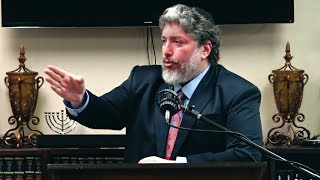
Who is Jesus to the Jews? Who is Hanuman the Monkey God to me? - Tovia Singer
000932
66
 38:39
38:39
590
1505867180
1787121963
In Jeremiah 31:32 and Hebrews 8:9, Christians replaced the word 'Husband' with 'Disregard'. Why? - Tovia Singer
002319
67
 20:57
20:57
893
1507345878
1787065773
Did Jesus exist in the Jewish Talmud? - Tovia Singer
001257
68
 54:50
54:50
525
1510830499
1787082583
In Daniel 7:13, the 'Son of Man' will be worshipped - Tovia Singer
003290
69
 8:41
8:41
687
1511414822
1787091297
In Matthew 2:1, the three Kings (Magi) from the East followed a Star to baby Jesus were Pagans? - Tovia Singer
000521
70
 16:13
16:13
567
1512005915
1787139105
In Psalm 2:12. did God kiss his Son or embrace Purity? - Tovia Singer
000973
71
 27:05
27:05
449
1514850618
1787060610
Isaiah was written by three Authors, but Academic Bible Scholars today have no comment - Tovia Singer
001625
72
 31:37
31:37
755
1515887393
1787095918
Apostle Paul was not a religious Jew. He corrupted the Jewish Bible - Tovia Singer
001897
73
 19:20
19:20
412
1516577680
1787141100
Do Jews reject Jesus because he was Crucified? - Tovia Singer
001160
74
 37:30
37:30
775
1516837984
1787015190
In Genesis 3:8, God walks with Adam and Eve. So, the Christianity claims God was a Man - Tovia Singer
002250
75
 9:39
9:39
815
1523799994
1787091746
Apostle Paul of Tarsus was not Rabbi Gamaliel's student - Tovia Singer
000579
76
 29:04
29:04
1177
1523799469
1787069698
Apostle Paul was not a Pharisee, or student of Rabbi Gamaliel. He persecuted early Jewish-Christians - Tovia Singer
001744
77
 50:14
50:14
876
1528133244
1787135948
In 325 AD, Trinity became Official Church Doctrine at Council of Nicaea - Tovia Singer
003014
78
 7:18
7:18
1327
1529453913
1787146824
Paul was 'Apostle to Gentiles' and claimed superiority over Jewish-Christians in Jerusalem Church - Tovia Singer
000438
79
 3:31
3:31
769
1529453915
1787076956
Gospels written 50 years after Jesus, and 20 years after Paul's Letters. Why so late? - Tovia Singer
000211
80
 1:10
1:10
1288
1529453925
1787114795
'Christianity converts to Rome' by adopting Roman myths and practises - Tovia Singer
000070
81
 13:12
13:12
848
1531222015
1787141345
In 1 Corinthians 10:16, Jesus' body/blood are consumed at 'Eucharist'. Human sacrifice is not from Jewish scripture - Tovia Singer
000792
82
 3:13
3:13
587
1531349898
1787143733
In 1 Corinthians 9:9, Apostle Paul questions Gods command to muzzle an Ox - Tovia Singer
000193
83
 0:37
0:37
914
1531349897
1787151389
Apostle Paul's foundations are in the Greek Hellenistic, Graeco-Roman world - Tovia Singer
000037
84
 1:05
1:05
969
1531350441
1787140349
Apostle Paul of Tarsus: Tarsus, Athens & Alexandria were the 3 centres of Greek thought - Tovia Singer
000065
85
 2:57
2:57
812
1532001717
1786910450
Christianity is Idolatory. Majority of Christians worship Jesus as God - Tovia Singer
000177
86
 2:03
2:03
648
1532075359
1787099073
Islam is not Idolatory. Muslims worship One God - Tovia Singer
000123
87
 5:09
5:09
1175
1531997929
1787131039
Early Christians did not worship Jesus as God. Trinity came later and is not in NT Bible - Tovia Singer
000309
88
 8:11
8:11
767
1536067099
1787062657
Do Christians believe Jesus is Messiah and God? - Tovia Singer
000491
89
 12:33
12:33
985
1538890209
1787138101
In Christianity, the Trinity is more important than Jesus' virgin birth - Tovia Singer
000753
90
 13:41
13:41
318
1539172123
1787123031
Did Jesus forgive Sin and indirectly claim to be God? - Tovia Singer
000821
91
 16:14
16:14
515
1541456065
1787082801
Jesus is 100% God and 100% Man. This is 100% Christian doctrine - Tovia Singer
000974
92
 30:49
30:49
807
1543415194
1787092606
Apostle Paul lied. Jesus did not repair the 'Original Sin' of Adam - Tovia Singer
001849
93
 11:25
11:25
859
1545007044
1787142208
New Testament writers plagarized Jesus' Prophecies from Jewish Torah - Tovia Singer
000685
94
 1:31:34
496
1545161162
1786286081
Is Jesus the Promised Jewish Messiah? - Tovia Singer vs Carlton McDonald
005494
95
 1:30:49
683
1546174599
1787107275
Trinity is a form of Idolatory, in conflict with Jewish Bible - Tovia Singer
005449
96
 1:48:17
660
1547784320
1787103781
Greek language, philosophy & culture conflicts with Judaism. Greek is not God's language - Tovia Singer
006497
97
 12:36
12:36
755
1551644978
1787104856
Evidence for Christians that Jesus is not God, the Creator of the Universe - Tovia Singer
000756
98

482 views
11:59
482
1552446268
1787057163
In John 14:6, Jesus claimed to be the Way, Truth and Life. But only in John! - Tovia Singer
000719
99

904 views
9:30
904
1552936900
1787094079
King James bible (KJV) translators 'twisted' the Jewish Hebrew verse to make it more 'Christian-like' - Tovia Singer
000570
100
 16:14
16:14
531
1552936923
1787078105
Book of Jonah teaches God forgives. Why do Christians believe we are already forgiven? - Tovia Singer
000974
101
 7:44
7:44
625
1553512499
1787098903
Bar Kokhba and Jesus were both killed by Rome. Who is the Messiah? - Tovia Singer
000464
102
 11:19
11:19
535
1553512496
1787075302
Book of Revelation was rejected by many early Church Fathers - Tovia Singer
000679
103
 11:55
11:55
1007
1553512494
1787081997
Christian Church claim Jesus' Crucifixion is in the Jewish Talmud/Scriptures is False - Tovia Singer
000715
104
 8:34
8:34
828
1553797614
1787136363
Marcion (85-160 AD) listed 11 books in New Testament Bible and rejected the Old Testament - Tovia Singer
000514
105
 9:54
9:54
711
1554497866
1787103915
In John 14:6, only though Jesus we reach God. This is idolatory - Tovia Singer
000594
106
 6:54
6:54
956
1558993159
1786486632
Apostle Paul saw a 'White Light' on road to Damascus, Syria? - Tovia Singer
000414
107
 1:19
1:19
686
1559085967
1787129526
Jesus is not a Trinity? Get out of my Church! - Tovia Singer
000079
108
 3:55
3:55
699
1559259700
1787142072
Jesus became the Passover Lamb in John's Gospel, not Mark, Matthew or Luke - Tovia Singer
000235
109
 5:08
5:08
934
1562079955
1787130221
Trinity is a false doctrine not found in Old Testament, or the New Testament - Tovia Singer
000308
110

325 views
10:35
325
1563238961
1787083510
Jesus will not save you - Tovia Singer
000635
111
 14:06
14:06
1055
1572334442
1787095960
In Acts 15:29, the first Ecumenical Council ever set early Christian Laws, which Apostle Paul later opposed - Tovia Singer
000846
112
 10:56
10:56
694
1581092974
1787132664
Respect the Jewish Right to not worship a Man as God - Tovia Singer vs Jerusalem Church
000656
113
 13:29
13:29
759
1585696998
1787083170
Was Apostle Paul really Jewish? - Tovia Singer
000809
114
 7:16
7:16
1007
1589288339
1787102709
Evangelical Christians 'unfairly' target Israeli Jews using GOD TV media - Tovia Singer
000436
115
 17:51
17:51
1165
1589498214
1787129381
In Romans 1:16, Apostle Paul urges GOD TV to evangelize Israel's Jews - Tovia Singer
001071
116
 1:29:39
347
1590442493
1787131268
Original disciples of Jesus were close to Orthodox Jews of today - Tovia Singer
005379
117

788 views
12:17
788
1590442498
1787087863
Virgin Births were common in pagan, Graeco-Roman Mythology. Jesus the God-Man was no different! - Tovia Singer
000737
118
 19:59
19:59
812
1608901549
1787070240
Was Apostle Paul really a Jew? - Tovia Singer
001199
119
 10:20
10:20
790
1611965007
1787114246
Judaism is totally opposed to Human Sacrifice - Tovia Singer
000620
120
 9:25
9:25
653
1612230489
1787151351
Jesus is not the Jewish Messiah - Tovia Singer
000565
121
 14:25
14:25
544
1612721463
1787149999
Why Christian Church celebrates Jesus Birthday on 25 December? - Tovia Singer
000865
122
 30:18
30:18
1116
1747359829
1786687083
Protestant Christians rely on Roman Catholic Traditions | Tovia Singer
001818
123
 5:30
5:30
848
1751303284
1787105594
Christianity adopted Roman Traditions. Jesus became The God | Tovia Singer
000330
124
 8:13
8:13
689
1751472416
1787112890
Why Apostle Paul opposed Old Testament Law | Tovia Singer
000493
125
 5:55
5:55
424
1754173148
1787134061
Do Muslims hate Jews based on Scriptural Teachings? | Tovia Singer
000355
126
 10:51
10:51
266
1770814281
1787096001
Love God And God Alone. Early Christians lost this message | Tovia Singer
000651
127
 9:16
9:16
176
1770948001
1787127455
Jesus Never Claimed to Be God. The Church Made It Up | Tovia Singer
000556
128
 15:46
15:46
4081
1771269335
1787077146
Christianity is a Pagan Mystery Religion | Tovia Singer
000946
129
 51:43
51:43
341
1771423395
1787137552
Why Early Christians turned Against Jews and Israel? | Tovia Singer
003103
130
 1:54:37
230
1771426405
1787101703
Is Jesus the Jewish Messiah? | Tovia Singer vs Michael Williams
006877
131
 13:45
13:45
282
1771431193
1787001157
Did Apostle Paul know his Letters would appear in the New Testament Bible? | Tovia Singer
000825
132
 17:15
17:15
229
1771431191
1786682460
Do Christians commit idolatory? | Tovia Singer
001035
133
 11:20
11:20
199
1772210212
1787151378
Was Jesus the Antichrist to the Jews? | Tovia Singer
000680
134
 52:10
52:10
304
1772210301
1787094283
Apostle Paul Lied! Hebrew Bible does not predict Jesus | Tovia Singer | History Valley
003130
135
 3:49
3:49
406
1772565658
1787068036
Who is closer to Judaism: Christianity or Islam? | Tovia Singer
000229
136
 9:55
9:55
344
1773101530
1787093875
Extreme Violence in Early Christianity | Tovia Singer
000595
137
 12:46
12:46
335
1773859793
1787121765
The Israel-Iran (Persia) War is Biblical. GOD Wants this War | Tovia Singer
000766
138

582 views
6:34
582
1773856025
1787144075
Religious, Anti-Zionist Jews who oppose Israel fail to understand Jewish Scripture | Tovia Singer
000394
139
 1:13:02
248
1776118159
1787072435
Is Jesus the Real Messiah? | DEBATE: Tovia Singer vs Tom Huszti (Unitarian)
004382
140
 19:54
19:54
345
1776120217
1787095922
Did Apostle Paul Invent Christianity? | Tovia Singer
001194
141
 12:14
12:14
258
1778068686
1787068361
Christian Church storytelling of Jewish Antisemitism | Tovia Singer
000734
142
 16:23
16:23
186
1778805017
1787097845
Is Christianity to blame for Jewish Antisemitism? | Tovia Singer
000983
143
 10:19
10:19
114
1782165845
1787133099
In Matthew 23:34, was Jesus antisemitic for stating Pharisees (Jews) persecute and kill God's messengers? | Tovia Singer
000619
144
 20:52
20:52
137
1782171826
1787151703
Book of Isaiah does NOT prove Trinity in Christianity | Tovia Singer
001252
145
 8:32
8:32
12
1786921154
1787103513
Jesus NEVER Said 'I Am God' | Tovia Singer
000512
146
EXPLORE TOPICS :
TORAH |
47
TOVIA SINGER |
145
IDOLATORY |
14
CHRISTIANITY |
236
CHRISTIAN |
883
SIN |
0