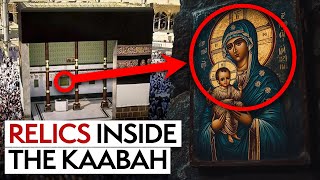
Introduction to the Kabah | FTD Facts

   4:57
309 views  ·  Last viewed: 1 hr ago
Uploaded: 26 May 2025   (1 year ago)  ·  Shared: 31 May 2025

Video Description (from Youtube)

Unlock the mysteries of the Kaaba and discover the untold truths about Islam’s most sacred site. From its pre-Islamic origins to its central role in Muslim worship, this video explores the spiritual

historical, and architectural secrets of the Kaaba.

▶ Latest Videos: https://www.youtube.com/watch?v=v57ZG-uZ0VM&list=UULF2vcjazcVurVmpn5svBRA-Q

#top10 #facts #kaaba #islam #sacredsanctuary #hajj #mecca

▶ FTD FACTS FACEBOOK: https://www.facebook.com/ftdonline
▶ CHANNEL PRODUCER (Leroy Kenton): https://www.instagram.com/ftdonline/

🎬 VIDEO EDITOR:
Raj: https://www.instagram.com/rajbanik_official/

📧 BUSINESS INQUIRIES: FtdFacts@gmail.com

DISCLAIMER
All videos are shared for educational and information purposes only. All videos are hosted and viewable on Youtube servers. Video titles are generated using the original video title; overall content theme including actual dialogue and speech (Transcript); and A.I-based recommendations with a focus on SEO, keyword density, and internal search functions. The video title does not represent the views held by the Youtube video uploader, or any individual, organisation or business.

If you spot any mistake, omission or give feedback, kindly Contact Us with details

Overview & Key Concepts


What is Kabah?
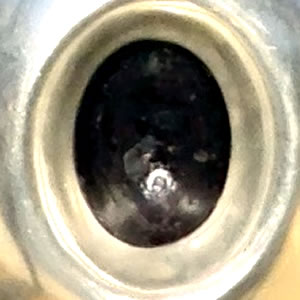
The Black Stone (al-Hajaru al-Aswad, "Black Stone") is a rock set into the eastern corner of the Kaaba, the ancient building located in the center of

the Grand Mosque in Mecca, Saudi Arabia. It is revered by Muslims as an Islamic relic which, according to Muslim tradition, dates back to the time of Adam and Eve. The stone was venerated at the Kaaba in pre-Islamic pagan times. According to Islamic tradition, it was set intact into the Kaaba's wall by the prophet Muhammad in 605 CE, five years before his first revelation. Since then it has been broken into fragments and is now cemented into a silver frame in the side of the Kaaba. Muslim pilgrims circle the Kaaba as a part of the tawaf ritual during the hajj and many try to stop and kiss the Black Stone, emulating the kiss that Islamic tradition records that it received from Muhammad. Muslims do not worship the Black Stone.
Frequently Asked Questions


1.Who built the Kabah in Saudi Arabia?

Prophet Abraham built the Kaaba for people to worship God. While pagan Arabs admitted this fact and even kept the stone where he used to stand to build the Kaaba (Abraham's station), they brought idols to the Kaaba and worshiped them to get closer to Abraham's Lord, Allah, God of gods. Prophet Muhammad came with the monotheistic message of Islam. Arabs defended these idols and refused to give up the religion of their fathers and grandfathers.


Videos on Nachmanides (0)


EXPLORE TOPICS : KABAH | 29 BLACK STONE | 5

Latest videos  •  6,061 videos  •  0 viewed/24 hour

SUBSCRIBE

Receive the latest news and updates by email - Subscribe Now!
About  |  Q&A  |  Contact Us    •    Terms  |  Privacy  |  Disclaimer  |  Sitemap
Connect:      Facebook  |    Twitter  |    Youtube
MuslimProphets.com is an educational website on the Prophets of God: David, Noah, Abraham, Moses, Jesus and Muhammad, who established the Abrahamic faiths of Judaism, Christianity and Islam. MuslimProphets.com explores contemporary social themes through Scripture, Evidences, Photo, Video, Maps, Current Affairs, Debate and 'alternative' Views held by Theologians, Apologists, Scholars and Street Preachers. Take a Site Tour

In accordance with Islamic etiquette, all prophet names should be followed with 'Peace Be Upon Him (PBUH)'. This is omitted to minimise text.

DISCLAIMER: All website content is for general information and educational purposes only and available in the public domain. Whilst all information comes from sources believed to be reliable, this cannot be guaranteed. External links are provided as a convenience and for informational purposes only. They do not constitute endorsement or approval for any products, services or comments by organizations or individuals. Title and Text links may be edited for external SEO, internal site and keyword search purposes. We bear no responsibility for the accuracy, legality, or content found on any external website or its subsequent links. Unless indicated, all images and content is licensed under a Creative Commons Attribution License distributed by Wikipedia, Wikimedia Commons, Pixabay, Pxhere, Pexels, Unsplash, Flickr and others. All Torah, Psalms, Old and New Testament Bible quotes are from the King James Version (KJV) Holy Bible in the public domain. All Quran quotes are from Taqi-ud-Din al-Hilali/Muhsin Khan English Quran translation.

ALWAYS DO YOUR OWN RESEARCH. If you spot any mistake, error or omission of information, contact us so we can correct it.