Then a breach was made in the city, and all the men of war fled by night by the way of the gate between the two walls, which was by the king’s garden (now the Chaldeans were against the city around it); and the king went by the way of the Arabah.
But the Chaldean army pursued the king, and overtook him in the plains of Jericho; and all his army was scattered from him.
Then they captured the king, and carried him up to the king of Babylon to Riblah; and they passed judgment on him.
They killed Zedekiah’s sons before his eyes, then put out Zedekiah’s eyes, bound him in fetters, and carried him to Babylon.
Now in the fifth month, on the seventh day of the month, which was the nineteenth year of king Nebuchadnezzar, king of Babylon, Nebuzaradan the captain of the guard, a servant of the king of Babylon, came to Jerusalem.
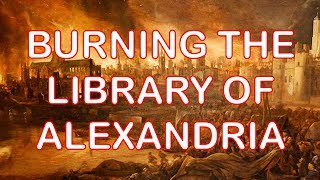
He burned Yahweh’s house, the king’s house, and all the houses of Jerusalem, even every great house, he burned with fire.
All the army of the Chaldeans, who were with the captain of the guard, broke down the walls around Jerusalem.
2 Kings 25:4-10
Fall of Judah & Prophet Jeremiah Era (2 Kings 25:4-10)
Witness the tragic fall of Jerusalem and the burning of the temple during the agonizing, tearful era of the ministry of Prophet Jeremiah in 2 Kings 25. 628 views · Last view: 17 hrs ago
Witness the tragic fall of Jerusalem and the burning of the temple during the agonizing, tearful era of the ministry of Prophet Jeremiah in 2 Kings 25. 628 views · Last view: 17 hrs ago
Explore More
Search Google Search Explore Topics Prophet What is a Prophet?
In religion, a prophet is an individual who is regarded as being in contact with a divine being and is said to speak on that entity's behalf. They claim to be serving as an intermediary with humanity by delivering messages or teachings from the supernatural source to other people. The message that the prophet conveys is called a prophecy. In Islam, all prophetic messengers are prophets (such as Adam, Noah, Abraham, Moses, Jesus, and Muhammad) though not all prophets are prophetic messengers. The primary distinction is that a prophet is required to demonstrate God's law through his actions, character, and behavior without necessarily calling people to follow him, while a prophetic messenger is required to pronounce God's law (i.e. revelation) and call his people to submit and follow him.