Q What is Nirvana in Buddhism?
A Nirvana is the ultimate spiritual goal of Buddhism, representing the complete cessation of suffering, desire, and the cycle of rebirth (Samsara). The word literally translates to "blowing out" or "extinguishing," symbolizing the cooling of the "three fires" of greed, hatred, and delusion. Achieving Nirvana brings a state of profound peace, transcendent wisdom, and absolute liberation from the illusions of existence.
A Nirvana is the ultimate spiritual goal of Buddhism, representing the complete cessation of suffering, desire, and the cycle of rebirth (Samsara). The word literally translates to "blowing out" or "extinguishing," symbolizing the cooling of the "three fires" of greed, hatred, and delusion. Achieving Nirvana brings a state of profound peace, transcendent wisdom, and absolute liberation from the illusions of existence.
Explore More
BuddhismSearch Google Search Explore Topics
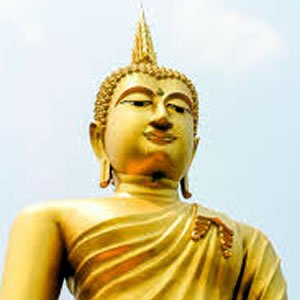 What is Buddhism?
Buddhism is the world's fourth-largest religion with over 520 million followers, or over 7% of the global population, known as Buddhists. An Indian religion, Buddhism encompasses a variety of traditions, beliefs and spiritual practices largely based on original teachings attributed to the Buddha and resulting interpreted philosophies. Buddhism originated in Ancient India as a Sramana tradition sometime between the 6th and 4th centuries BCE, spreading through much of Asia. All Buddhist traditions share the goal of overcoming suffering and the cycle of death & rebirth, either by the attainment of Nirvana or through the path of Buddhahood.